Landscape & Leisure is reader-supported. When you buy through links on our site, including Botanical Interests seed links, we may earn a commission at no extra cost to you. Prices change, so click through to confirm current pricing.
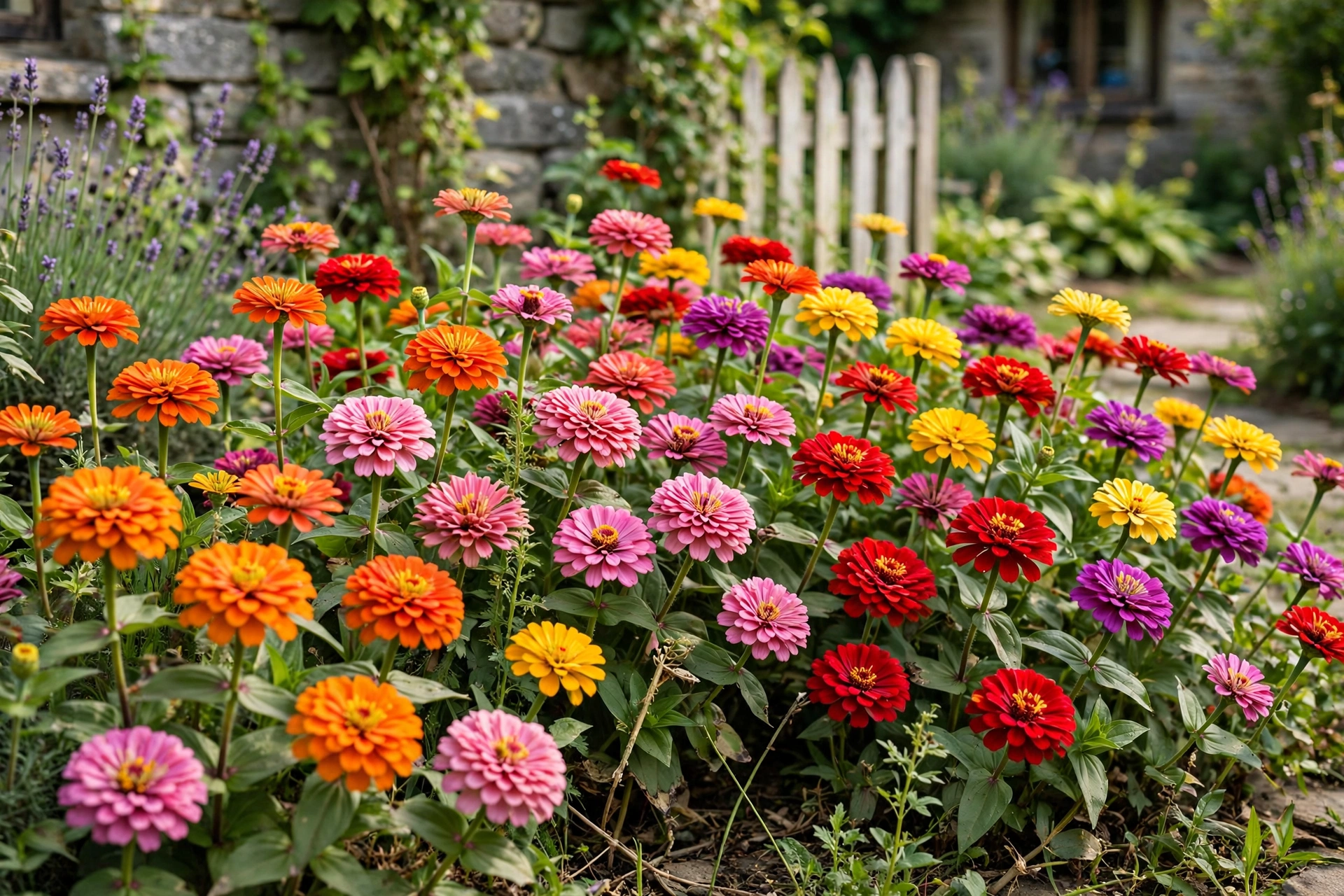
By late spring the soil finally feels warm under your hand, the last frost date is behind you, and the seed rack is calling. That is the moment zinnias want — not a week earlier, when the ground is still cold, and not a month later, when you have given away half the season. Get the timing right and a packet of seed turns into armfuls of cut flowers by midsummer.
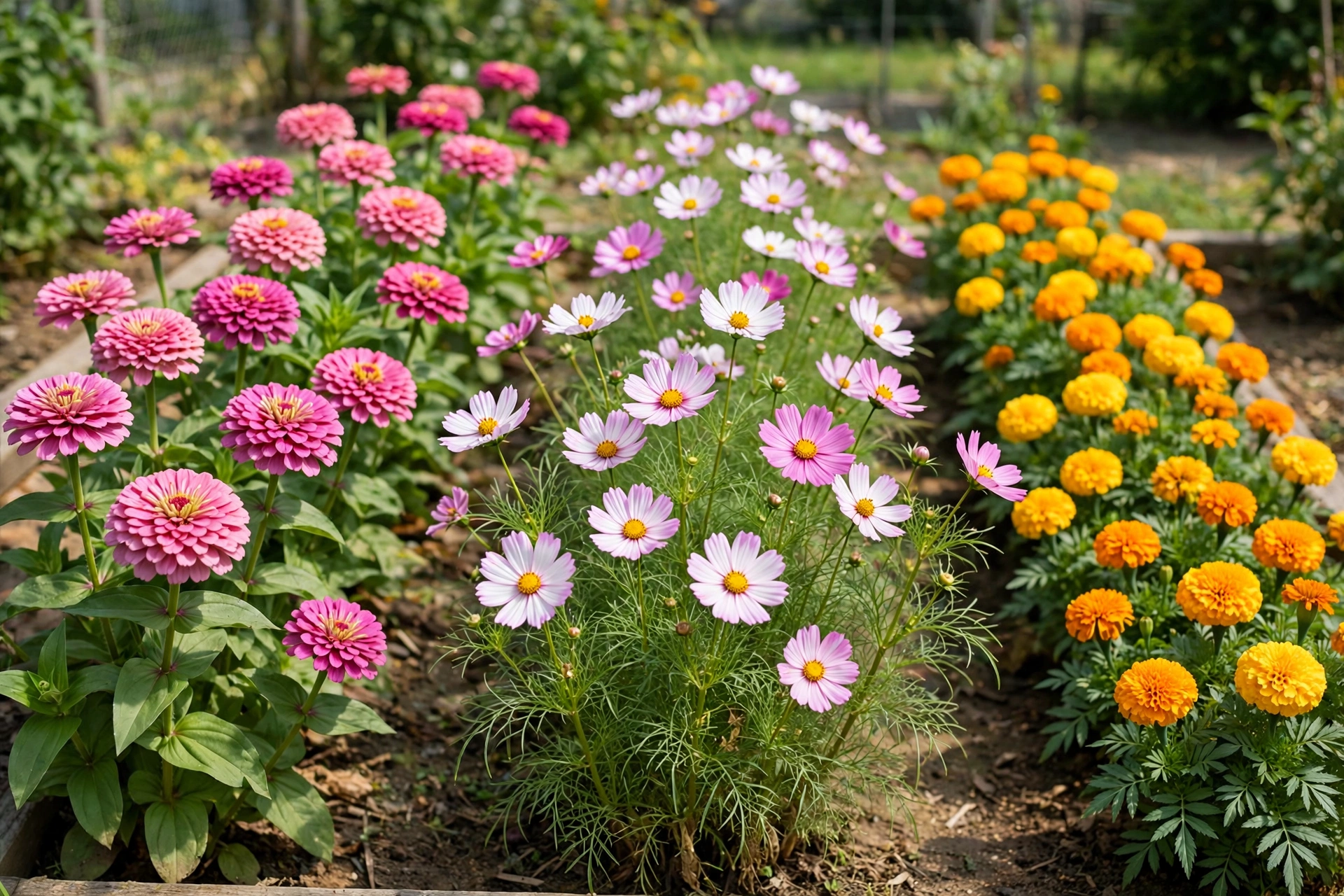
Zinnias are about as forgiving as a flower gets, but they have one hard rule: warmth. Everything below follows from it. If you are choosing a variety first, see our best zinnia varieties roundup. For how zinnias compare with the other two easy annuals, see our zinnias vs. cosmos vs. marigolds comparison.
Why Zinnias Sulk in Cold Soil
Zinnias are warm-season annuals, native to Mexico, and they behave like it. Seeds sown into cold, wet soil sit there and rot instead of sprouting, and seedlings started too early indoors grow leggy and sulk after transplanting. Botanical Interests says it plainly on every zinnia packet page: zinnias do not benefit from being sown early, so wait for warmer weather.
That is the whole secret, really. Warm soil, full sun, and a little patience at the start buy you months of flowers at the end. Rush the sowing and you spend the season nursing weak plants.
When to Sow
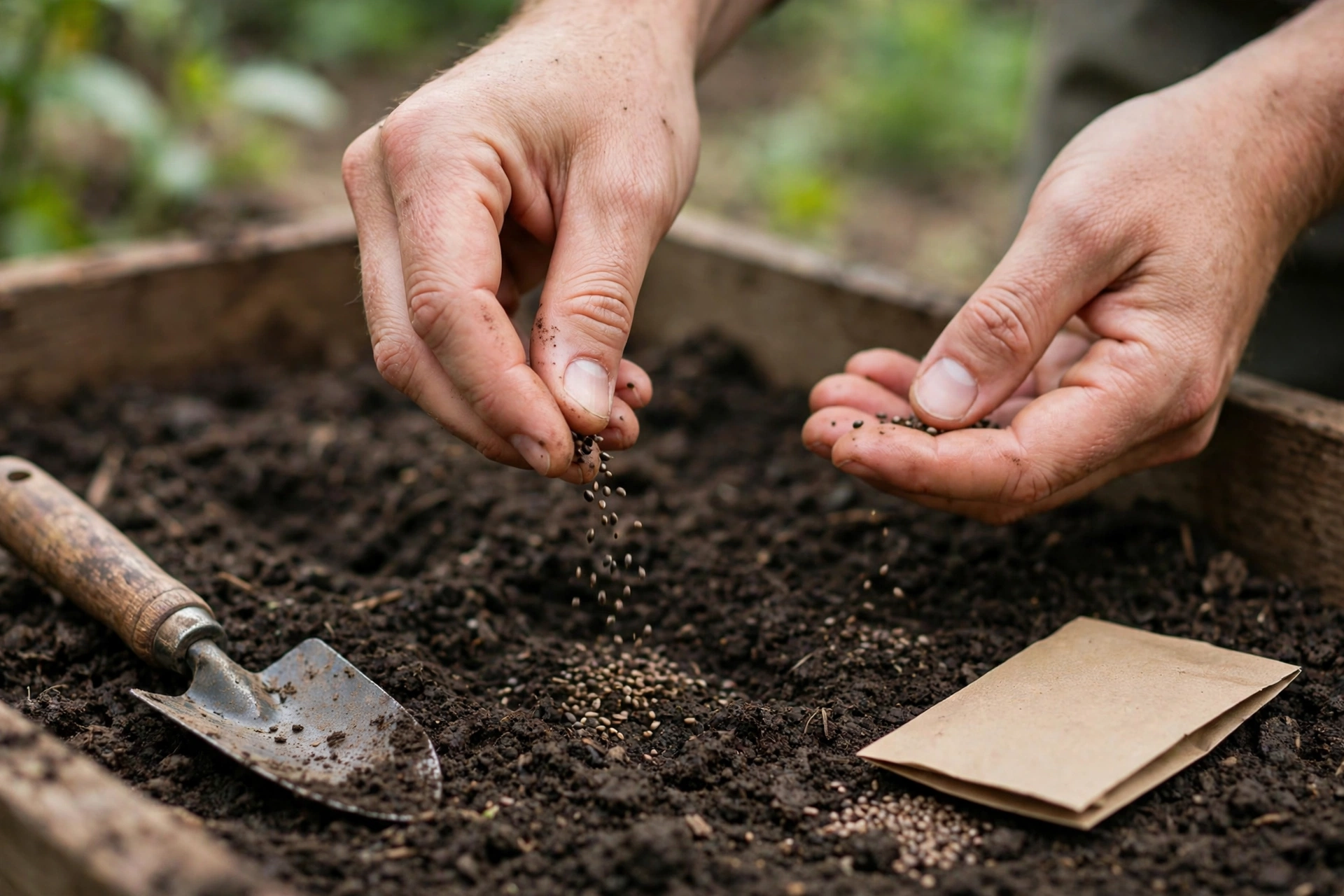
Direct sowing is the recommended route, and it is the easier one. Sow outdoors one to two weeks after your average last frost date, once the soil has warmed. In most northern gardens that means late May — check your own last-frost date rather than a calendar month, because a cold spring can push the window by two weeks.
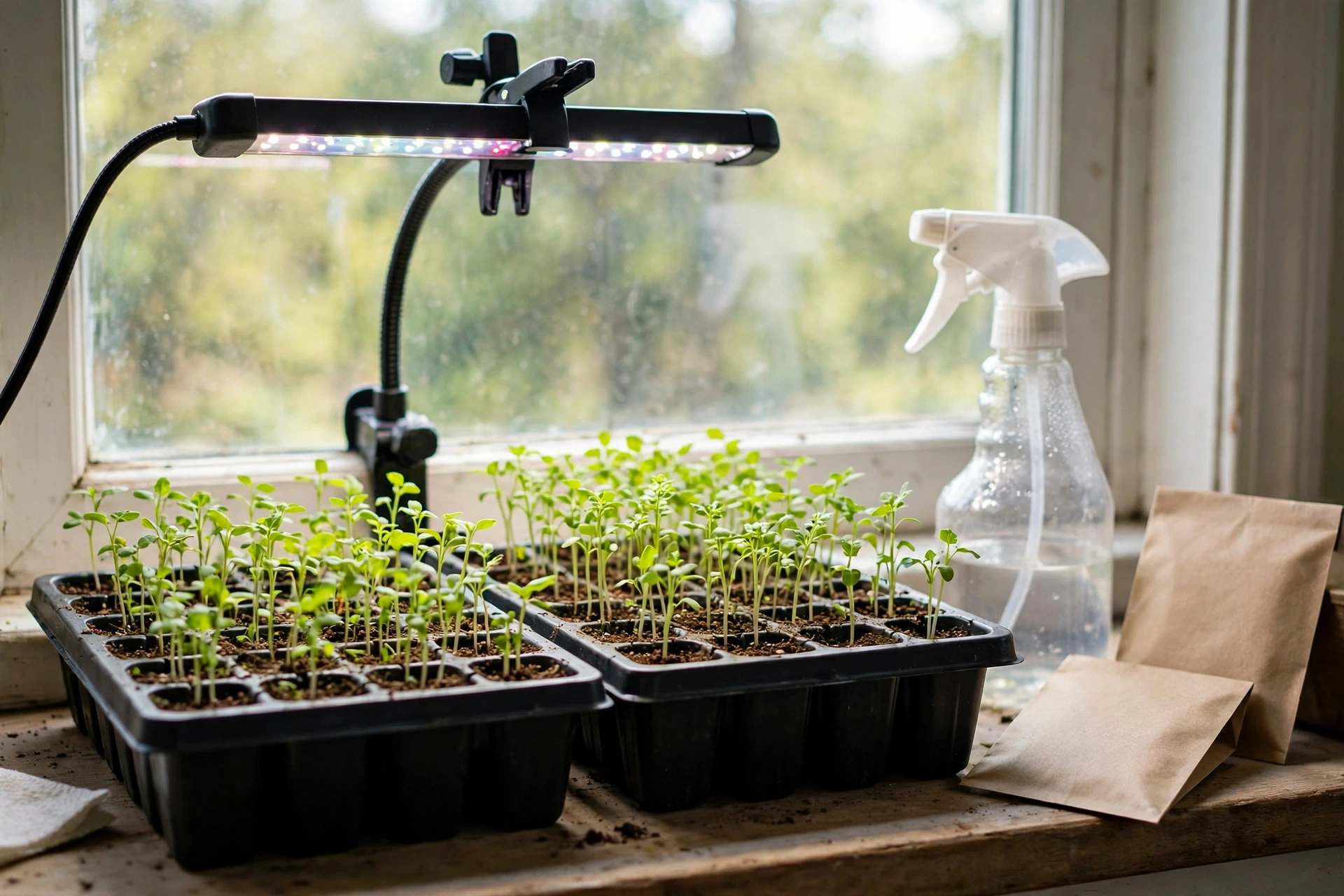
Starting indoors buys you earlier blooms in a short season, but only if you keep it brief. Start seeds four to six weeks before your last frost date, in individual cells or small pots, and transplant outdoors after the frost danger has passed. Any earlier and the plants outgrow their pots before the weather is ready for them.
Either way, expect seedlings in 3 to 10 days in warm soil. Flowers follow 8 to 12 weeks after sowing, according to Clemson Extension — so a late-May sowing means first blooms in late July, with the plants flowering until the first fall frost.
How to Sow
Sow shallow. Zinnia seed goes just a quarter inch deep — barely covered, not buried. Sow in groups of three seeds, then thin to the strongest one when the seedlings reach two inches tall.
Spacing depends on the variety, and it matters more than most gardeners think. Tall cutting types go a group of three every 12 inches, thinned to one plant per foot. Thumbelina and other small types can sit closer, a group of three every 8 inches. Lilliput splits the difference at 9 to 12 inches. Give tall plants their foot of room and they will reward you with long, straight cutting stems.
| Step | When | How |
|---|---|---|
| Start indoors (optional) | 4–6 weeks before last frost | Individual cells; transplant after frost danger passes |
| Direct sow | 1–2 weeks after last frost, soil warm | ¼ inch deep, groups of 3 seeds |
| Thin seedlings | When 2 inches tall | Thin to 1 plant every 8–12 inches by variety |
| First blooms | 8–12 weeks after sowing | Deadhead and cut often to keep them coming |
Spacing Is the Mildew Fix
The one disease that reliably ends zinnia season early is powdery mildew, and the fix is mostly spacing. Clemson Extension recommends rows 12 to 18 inches apart, with proper air circulation to dry the leaves and discourage fungal problems. Crowded plants with leaves touching stay damp, and damp leaves are where mildew starts.
Water at the base, not overhead, and give the bed about an inch of water a week. Wet foliage invites leaf spot as well as mildew. If mildew does show up late in the season — white, powdery patches starting on the lower leaves — it rarely kills the plant outright, but it does end the cutting. Good spacing and a resistant variety like Giant Purple buy you the longest clean season.
Deadheading and Cutting for the Vase
Deadhead spent blooms regularly to keep new ones coming. North Carolina Extension puts it simply: deadhead to prolong the bloom season. For zinnias that means snipping the faded flower just above a leaf or stem junction, which pushes the plant to branch and set new buds.
Cutting for the vase is the same job with a better reward. The more you cut, the more zinnias bloom — California Giants says so right on the packet. For the longest vase life, harvest before the small yellow flowers emerge between the petals, and change the vase water often. A stem cut in the morning, with the flower just opened, will outlast one cut at noon in full sun.
Sow Again for a Second Wave
One sowing peaks for a few weeks and then the plants get tired, especially in a hot, humid summer when mildew creeps in. Sow a second short row four to six weeks after the first, and it takes over just as the first planting starts to fade. The second wave also spreads your risk: if a cold snap or a dry spell thins the first sowing, the second one is already coming.
Stop sowing about eight weeks before your first expected fall frost. Anything sown later will not have time to reach bloom before the cold ends the season.
Which Varieties to Sow
If you are growing for the vase, start with the tall types. California Giants gives you the biggest range of color on long stems, and Cut and Come Again keeps producing after every cutting.
California Giants Blend Zinnia Seeds
Big 4- to 6-inch blooms in four colors, sold since 1926, and the highest gardener rating of any zinnia here.
If your garden is a patio or a small bed, Thumbelina is the one to sow. It stays 1 to 2 feet tall, fits a pot, and still covers itself in cheerful 1- to 1½-inch blooms.
Thumbelina Zinnia Seeds
A 1963 award winner that stays 1 to 2 feet tall — zinnias for a pot, a window box, or a small bed.
And if you want a vase that never empties, Cut and Come Again is the plant for the job. Cut the 2- to 2½-inch blooms and the plant makes more, all the way to frost.
Cut and Come Again Zinnia Seeds
Cut it and it blooms again — 2- to 2½-inch flowers that keep a vase full until frost.
What to Watch Next
Seedlings up in a week means the soil was warm enough — if nothing shows in two weeks, the soil was too cold, and a re-sowing into warmer ground will beat waiting on the first batch. Leggy indoor seedlings mean they were started too early or kept too far from the light; direct sowing avoids the problem entirely.
Once the plants are up, the work is mostly cutting. Keep the spent blooms off, keep the stems coming into the house, and the plants will do the rest. If you want zinnias in a bigger cutting garden, our best cut flowers roundup and starting flowers indoors guide cover the rest of the bed.