Landscape & Leisure is reader-supported. When you buy through links on our site, including Botanical Interests seed links, we may earn a commission at no extra cost to you. Prices change, so click through to confirm current pricing.
There is a special kind of heartbreak reserved for the gardener who plants broccoli in May and watches it sit there, sulking, until August. Brassicas are not difficult. They are just particular. They want cool weather, steady water, and a variety that can finish the race before the season runs out.
The seven varieties below all come from Botanical Interests, and each one earns its place for a different job. One is the cold-tough workhorse, one is the fastest thing in the patch, one is the showpiece your neighbors will ask about. Every one of them matures in 110 days or fewer, and most finish well inside that. Pick the job you need done, and plant that one first.
| Variety | Type | Days to maturity | What you get | Rating |
|---|---|---|---|---|
| Waltham 29 Broccoli | Broccoli | 75 days | 4″–6″ head plus side shoots | 4.2 out of 5 (21 reviews) |
| Copenhagen Market Cabbage | Cabbage | 65–80 days | 6″–8″ heads, 3–4 pounds | 4.8 out of 5 (17 reviews) |
| Snowball Y Cauliflower | Cauliflower | 70–80 days | 6″–6½” self-blanching heads | 3.9 out of 5 (10 reviews) |
| Purple Vienna Kohlrabi | Kohlrabi | 50–69 days | 2″–3″ crisp bulbs | 3.6 out of 5 (12 reviews) |
| Georgia Southern Collards | Collards | 50–80 days | Big blue-green leaves, cut and come again | 4.8 out of 5 (16 reviews) |
| Romanesco Cauliflower | Cauliflower | 75–100 days | 5″–6″ lime-green spiral heads | 4.6 out of 5 (15 reviews) |
| Long Island Improved Brussels Sprouts | Brussels sprouts | 85–110 days | 1″–1½” sprouts, frost-sweetened | 4.3 out of 5 (11 reviews) |
Best Overall: Waltham 29 Broccoli
If you only plant one brassica, plant this one. Waltham 29 is an old variety bred for cold tolerance, and it shows: a medium-sized 4″–6″ blue-green main head, followed by a run of smaller 1″ side shoots that keep coming after you cut the center. One plant feeds you twice, which is the kind of generosity a short season rewards.
It matures in 75 days, freezes well, and buyers rate it 4.2 out of 5 across 21 reviews. Start it indoors 4 to 6 weeks before transplanting outside after your average last frost, or 12 weeks before your average first fall frost for a fall crop. Give it full sun and 24″ between plants, and cut the main head while the florets are still tight and closed — that is what triggers the side shoots.
The trade-off is size. Waltham 29 will not give you the giant grocery-store head. It gives you a sensible head and then a second act. If you want one enormous centerpiece, look at the cabbage below instead.
Waltham 29 Broccoli Seeds
The cold-tough workhorse: a 4″–6″ head plus side shoots that keep you harvesting after the first cut.
Best for Small Gardens: Copenhagen Market Cabbage
Copenhagen Market has been the standard other cabbages are measured against since 1909, and there is a reason it has lasted. The heads are compact — 6″–8″ across, 3 to 4 pounds — with tightly wrapped leaves and white centers, and they resist splitting, which is the fate of many a cabbage left a week too long in the ground.
It matures in 65 to 80 days, and it stores up to 6 months, so a spring planting can carry you deep into winter. Buyers rate it 4.8 out of 5 across 17 reviews, the joint-highest rating on this list. Start it indoors 6 to 8 weeks before your average last frost and transplant 2 to 4 weeks before that date — cabbage is one of the few vegetables that genuinely likes going out early.

The trade-off is space per head. A compact head is a virtue in a small garden, but if you make sauerkraut by the crock, you will want several plants, not one. Plant them 18″–24″ apart and give them steady water — a dry spell followed by a soaking is what splits heads.
Copenhagen Market Cabbage Seeds
Compact 3–4 pound heads that resist splitting and store up to 6 months — the century-old standard for a reason.
Best Self-Blanching Cauliflower: Snowball Y
Cauliflower has a reputation for fussiness, and most of it comes down to sun on the head. Snowball Y solves the fussiest part itself: its leaves curl naturally around the head, shading it as it grows, so you get a white 6″–6½” head without tying leaves up over it.
It matures in 70 to 80 days, which puts it squarely in short-season territory, and mature heads hold well in the garden, so you are not forced to pick everything in one weekend. Start it indoors 4 to 6 weeks before transplanting outside after your average last frost. Harvest in the morning, when the buds are tight, and cut the stalk below the head.
The trade-off is the rating. At 3.9 out of 5 across 10 reviews, Snowball Y is the lowest-rated pick here, and cauliflower is genuinely the least forgiving brassica if your summer runs hot. If your garden bakes in July, plant it for fall instead — start 12 weeks before your average first fall frost and let it mature in the cool.
Snowball Y Cauliflower Seeds
White 6″–6½” heads that shade themselves — no tying leaves — and hold well in the garden until you need them.
Fastest to Harvest: Purple Vienna Kohlrabi
Kohlrabi is the brassica for the impatient gardener, and Purple Vienna is the fastest thing on this list at 50 to 69 days. The edible part is not a root at all but a swollen stem that sits just above the soil, purple-skinned outside and white inside, crisp and delicately sweet with a faint peppery edge.
The secret to kohlrabi is picking it small. Harvest at 2″–3″ across, when it is sweetest and most tender, and eat it like an apple, steamed, sautéed, or pickled. Let it grow past tennis-ball size and it turns pithy and woody — the most common kohlrabi mistake, and an entirely avoidable one. Sow it 4 to 6 weeks before your average last frost, or in late summer for a fall harvest, and thin to one plant every 4″.
The trade-off is the rating: 3.6 out of 5 across 12 reviews, the lowest here. Kohlrabi divides gardeners — people who pick it small love it, people who let it balloon do not. At $2.42 a packet on sale, it is a cheap experiment, and the fast turnaround means a failed row costs you weeks, not a season.
Purple Vienna Kohlrabi Seeds
Crisp, sweet, and ready in as little as 50 days — pick it small at 2″–3″ for the best flavor.
Best Cut-and-Come-Again: Georgia Southern Collards
Collards are the brassica that keeps paying rent. Georgia Southern grows big, blue-green, slightly crumpled leaves on a plant that does not form a head at all — you pick the lower, outer leaves as you need them, and new leaves keep growing. One plant can feed you for months.
It matures in 50 to 80 days, tolerates both frost and heat, and fall frosts make the leaves sweeter. It can survive temperatures down to 20°F, so in a mild fall it may still be standing when everything else has given up. Buyers rate it 4.8 out of 5 across 16 reviews, matching Copenhagen Market for the highest rating here. The young leaves make hearty salad greens, and the big ones make excellent wraps.
The trade-off is size. This is a tall plant, over 24″, and it wants 18″–24″ of elbow room. It is not a tuck-it-in-the-corner crop. Give it the space and it will out-produce nearly everything else on this list.
Georgia Southern Collards Seeds
Pick the outer leaves and it keeps growing — frost-sweetened, heat-tolerant, and standing down to 20°F.
Best Showpiece: Romanesco Cauliflower
Some vegetables you plant for dinner. Romanesco you plant for dinner and for the conversation. Its 5″–6″ lime-green head is a spiral of smaller spiraling florets, a shape so precise it looks designed, and cooked it has a nutty flavor with a texture much like cauliflower.
It is an old European heirloom, first noted in Italy in the 16th century, and buyers rate it 4.6 out of 5 across 15 reviews. It matures in 75 to 100 days. Unlike broccoli, it rarely produces side shoots, so harvest the head as soon as it is firm and solid, cut at the base, and remove the whole plant.
The trade-off is right in its own description: it is easier to grow for fall harvest, because a warm spring may delay heads until fall anyway. If your spring runs hot, do not fight it — start Romanesco 12 weeks before your average first fall frost and let it do its best work in the cool.
Romanesco Cauliflower Seeds
A lime-green spiral head with a nutty flavor — the brassica your neighbors will ask about, best grown for fall.
Best Fall Crop: Long Island Improved Brussels Sprouts
Brussels sprouts are the long game, and Long Island Improved is the variety that made them a garden standard back in the 1890s. The sprouts are 1″–1½” blue-green orbs packed tightly along the trunk, and the plant itself looks like a little palm tree — which is a bonus when the rest of the fall garden is winding down.
It matures in 85 to 110 days, the longest wait on this list, and it earns that wait. Sprouts mature from the bottom of the plant upward, so you pick them over weeks, not all at once. The plants are hardy to 10°F, and a freeze actually sweetens the flavor, so you can leave them standing into winter. Start indoors 4 to 6 weeks before transplanting, about 4 months before your average first fall frost, so the sprouts mature in cool weather.
The trade-off is patience. This is not a spring crop for a short season — it is a fall crop that needs the whole back half of the year. Plant it for autumn, pick from the bottom up when the sprouts are firm and about the size of a large cherry, and let the frost do the seasoning.
Long Island Improved Brussels Sprouts Seeds
The 1890s heirloom standard: frost-sweetened sprouts picked bottom-up over weeks, hardy to 10°F.
The one I would skip for a short season
Honesty cuts both ways. Silvia Brussels Sprouts is a fine hybrid with high resistance to Fusarium yellows, and its 4.5 out of 5 rating is respectable. But it costs $4.49 a packet against Long Island Improved at $2.69, it takes 103 days, and that rating rests on just 4 reviews. For a short-season garden, you are paying nearly double for a newer variety to do a job the $2.69 heirloom already does well. Save Silvia for the year you have already mastered Brussels sprouts and want to experiment.
Bottom line
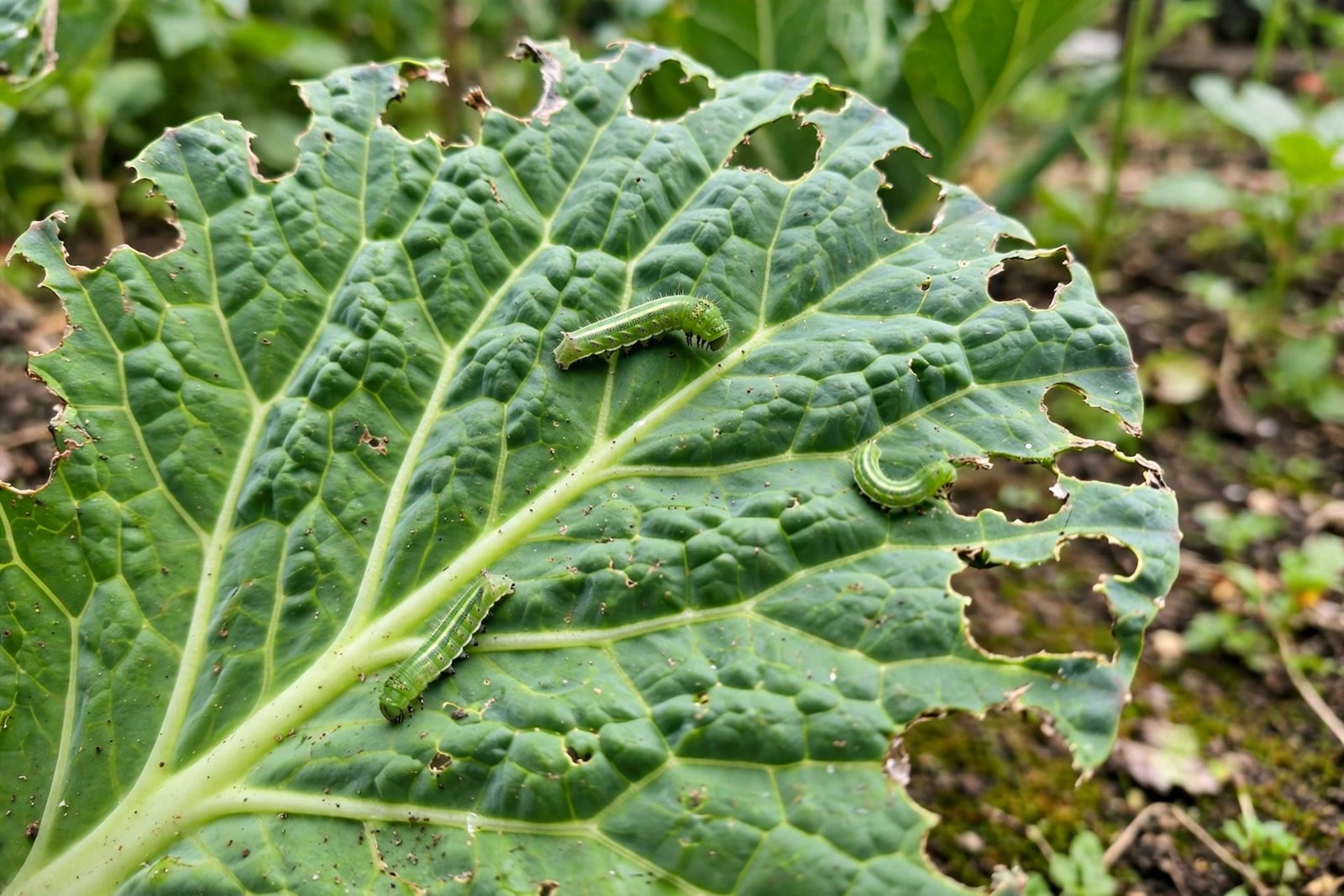
Start with Waltham 29 broccoli and Copenhagen Market cabbage — they are the most forgiving pair on this list. Add Purple Vienna kohlrabi for a fast win and Georgia Southern collards for months of picking. Save the Brussels sprouts and Romanesco for fall, when cool weather does half the work for you. And if you want the exact calendar — when to sow each of these indoors and move them out in Zone 4 — our Zone 4 brassica timing guide works it out week by week. When the caterpillars find your plants, and they will, our cabbage worm diagnosis guide will help you tell friend from foe before you spray anything.