This post contains affiliate links. If you buy through them, we may earn a commission at no extra cost to you.
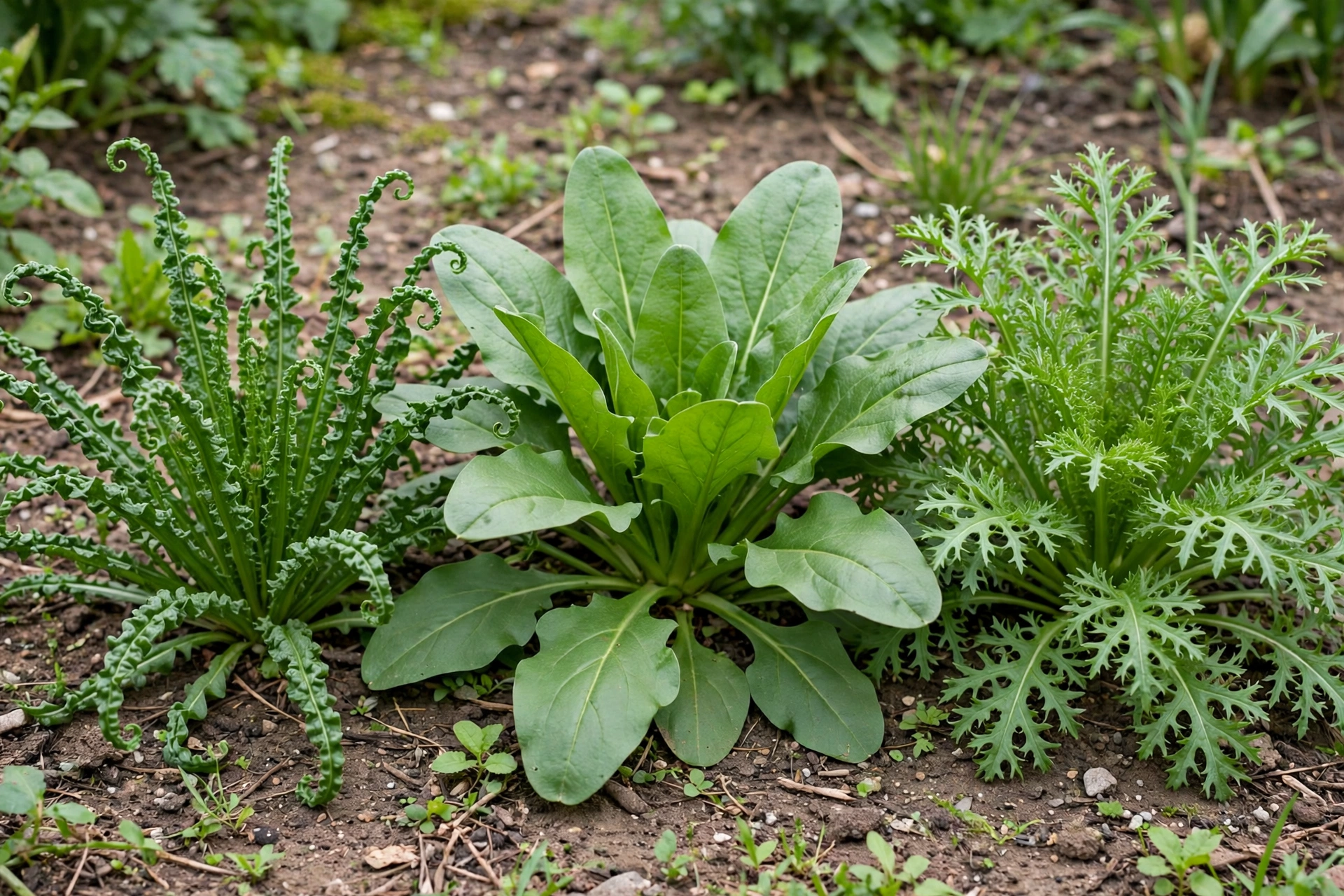
Curly endive and escarole sit side by side in the seed catalog under one species name, Cichorium endivia, and they could hardly work more differently in a salad. The curly type, frisée, is all lacy texture and mild bite. The broad type, escarole, is a sturdy leaf built for soup pots and braises as much as bowls.
That contrast is the decision. Botanical Interests sells one endive variety, Olesh Tres Fine, and it is firmly on the frisée side of the line. The honest shape of this roundup is that one variety judged properly, plus the two chicory relatives that round out a bitter-greens bed.
Olesh Tres Fine, the frisée pick
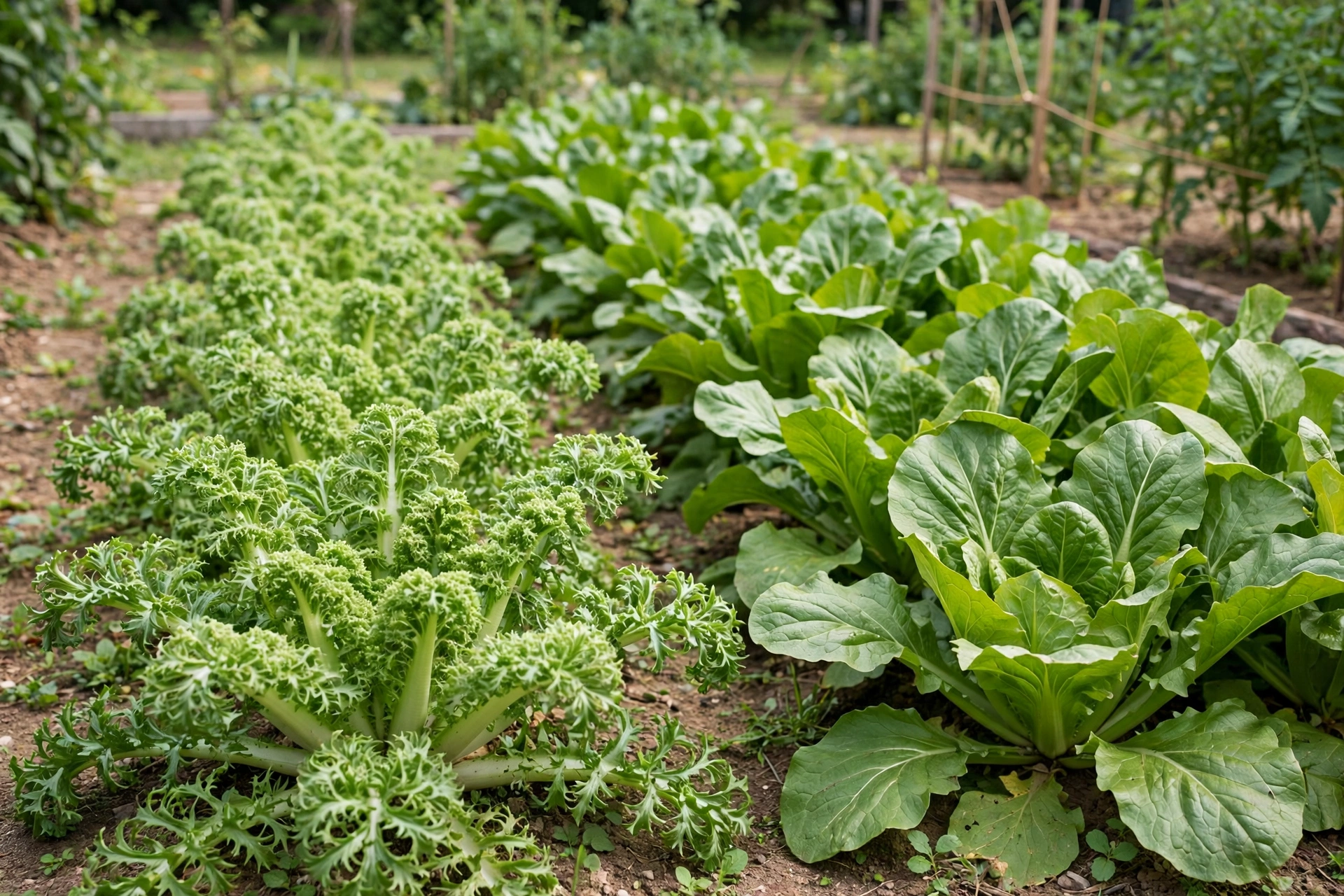
The packet calls it frisée outright: beautiful lacy leaves, mild flavor, crisp finely cut texture that turns an ordinary lettuce mix into a bistro mesclun. It is rated 4.5 out of 5 in 11 reviews, an annual in full sun, ready in 42 to 70 days.
The numbers are forgiving for a specialty green. Sow a group of 3 seeds every 6 inches, just 1/8 inch deep, thin to 1 every 6 inches when seedlings are 1 inch tall, in rows 18 inches apart. One packet sows up to 37 feet, which is a lot of frisée.
I plant it where salads actually get made from it, in short rows near the lettuce, not in a far corner reserved for experiments. A green this textured earns its keep cut young and often, and the packet backs that up: leaves can be harvested any time, cut-and-come-again style.
Olesh Tres Fine Endive Seeds
Frisee type with lacy, mild leaves for mesclun, 42 to 70 days, sown 1/8 inch deep every 6 inches; one packet sows 37 feet.
The three types, side by side
Oregon State Extension sorts this crop the same way gardeners use it: curled, deeply cut leaf types are endive proper, and broad, crumpled leaf types are escarole, with Batavian the classic broad name. Frisée is the finest-cut end of the curly group.
| Type | Leaf | Best use | Botanical Interests seed |
|---|---|---|---|
| Frisee (curly endive) | Finely cut, lacy | Mesclun and salads | Olesh Tres Fine, 42 to 70 days |
| Escarole (broadleaf Batavian) | Broad, slightly crinkled | Soups, braises, hearty salads | No standalone packet; see the microgreen blend below |
| Radicchio (chicory relative) | Round red heads, white ribs | Grilled, or raw for color | Palla Rossa Mavrik, 80 to 95 days |
For the broad-leaf job: radicchio alongside
If the broad, sturdy leaf is what the kitchen wants, the closest Botanical Interests seed is not an escarole at all. Palla Rossa Mavrik is a chioggia-type radicchio, Cichorium intybus, with round deep-red heads and very white ribs, rated 4.8 out of 5 in 5 reviews.
It runs on a fall clock: sow 8 to 10 weeks before the first fall frost, 1/4 inch deep, a group of 3 every 8 to 10 inches. The flavor is slightly bitter raw, sweetens with frost, and mellows in a hot pan, which is exactly the escarole job done by a redder leaf.
Palla Rossa Mavrik Radicchio Seeds
Chioggia-type red heads with white ribs, 80 to 95 days, sown for fall; flavor sweetens with frost and mellows grilled.
The fast way to taste both: the Amaro blend
There is one place escarole does appear by name in the catalog, and it is a quick one. The Italian Amaro Blend microgreens mix is 60 percent Italian chicory, 20 percent curly endive, and 20 percent escarole, rated 4.9 out of 5 in 7 reviews and ready in 15 to 25 days indoors.
I would sow a flat of it before committing bed space. In three weeks the flavor question answers itself at microgreen size, bitter and bright, and a fresh flat can go in every 7 to 14 days.
Italian Amaro Blend Microgreens Seeds
Chicory, curly endive, and escarole as microgreens, ready in 15 to 25 days indoors; sow a new flat every 7 to 14 days.
What I would skip
I would skip hunting for a separate escarole packet to complete the set. There is no standalone escarole variety in this catalog, and forcing the comparison with an unverified seed source helps nobody. Gardeners who want the broad leaf cooked can get that job from radicchio now and from the escarole share of the Amaro blend at microgreen size.
For a first planting, the order is simple. Sow Olesh Tres Fine for the salad bowl, as the growing guide for endive and escarole lays out, and read endive vs escarole vs frisee before deciding the broad leaf deserves its own row next season. If cut-and-come-again greens are the broader habit, the cut-and-come-again lettuce and greens roundup covers the lettuces that share the bed.
Plant the frisée. It is the variety that is actually here, it is ready in as little as 42 days, and a lacy leaf in a plain lettuce salad is the fastest upgrade a spring bed offers.