Landscape & Leisure is reader-supported. When you buy through links on our site, including Botanical Interests seed links, we may earn a commission at no extra cost to you. Prices change, so click through to confirm current pricing.
Plant the heading broccoli if your kitchen cooks by the potful, and plant broccolini if it cooks by the handful — that is the verdict, and everything below is the evidence. The two crops share a species name and almost nothing about how they are harvested, spaced, or eaten.
I grow both, in different beds, for different dinners. The heading types are ranked in the broccoli varieties roundup, and the shared growing mechanics — indoor starts, spacing, cutting — are in the growing guide. What follows is only the decision between them.
What Each Plant Actually Gives You
| Heading broccoli | Broccolini (Aspabroc) | |
|---|---|---|
| Harvest unit | One 4–8 in head, then side shoots | 1–2 in florets on tender stems, cut 5 in down |
| Days | 48–75 by variety | 60 |
| Spacing | 18–24 in | 18–24 in |
| Harvest window | Main head in a day or two, shoots after | 3–5 side shoots, about four weeks |
| Best varieties here | Belstar, Di Cicco, Waltham 29 | Aspabroc |
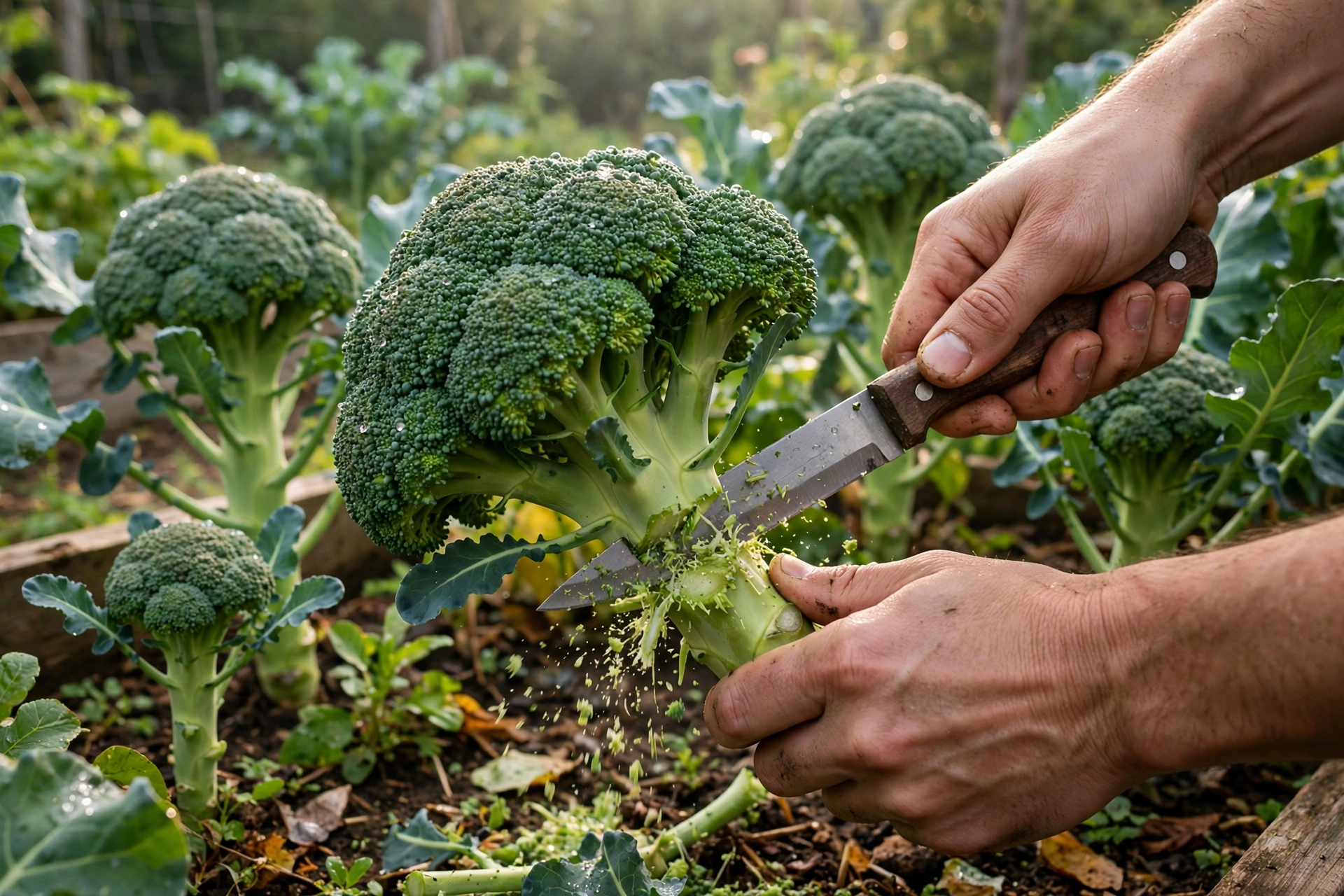
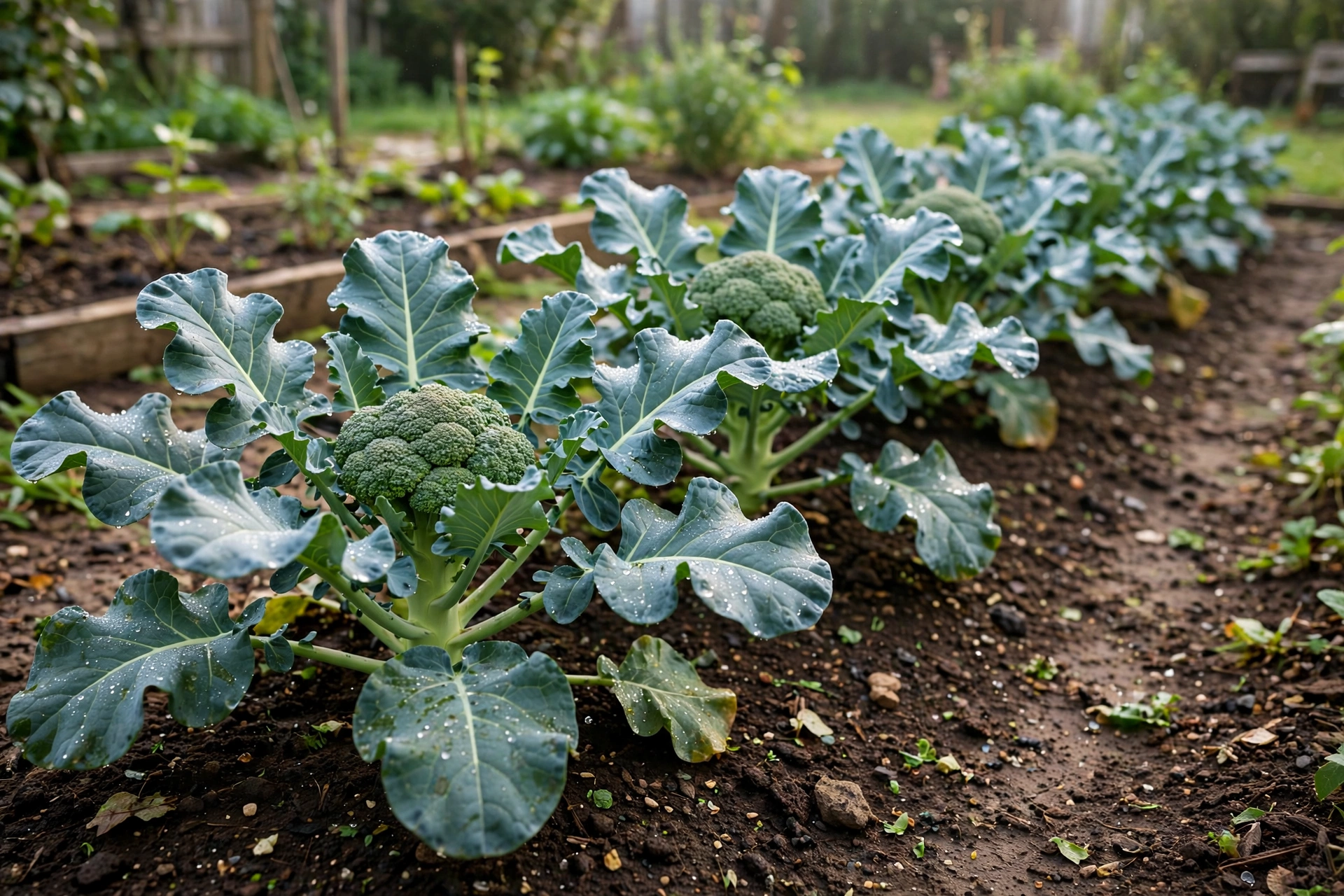
A heading plant concentrates its work into one event. Belstar builds a 6 to 8 inch head over 65 to 70 days, and when that head is cut the plant is mostly finished — the side shoots that follow are a bonus, smaller and looser than the main event.
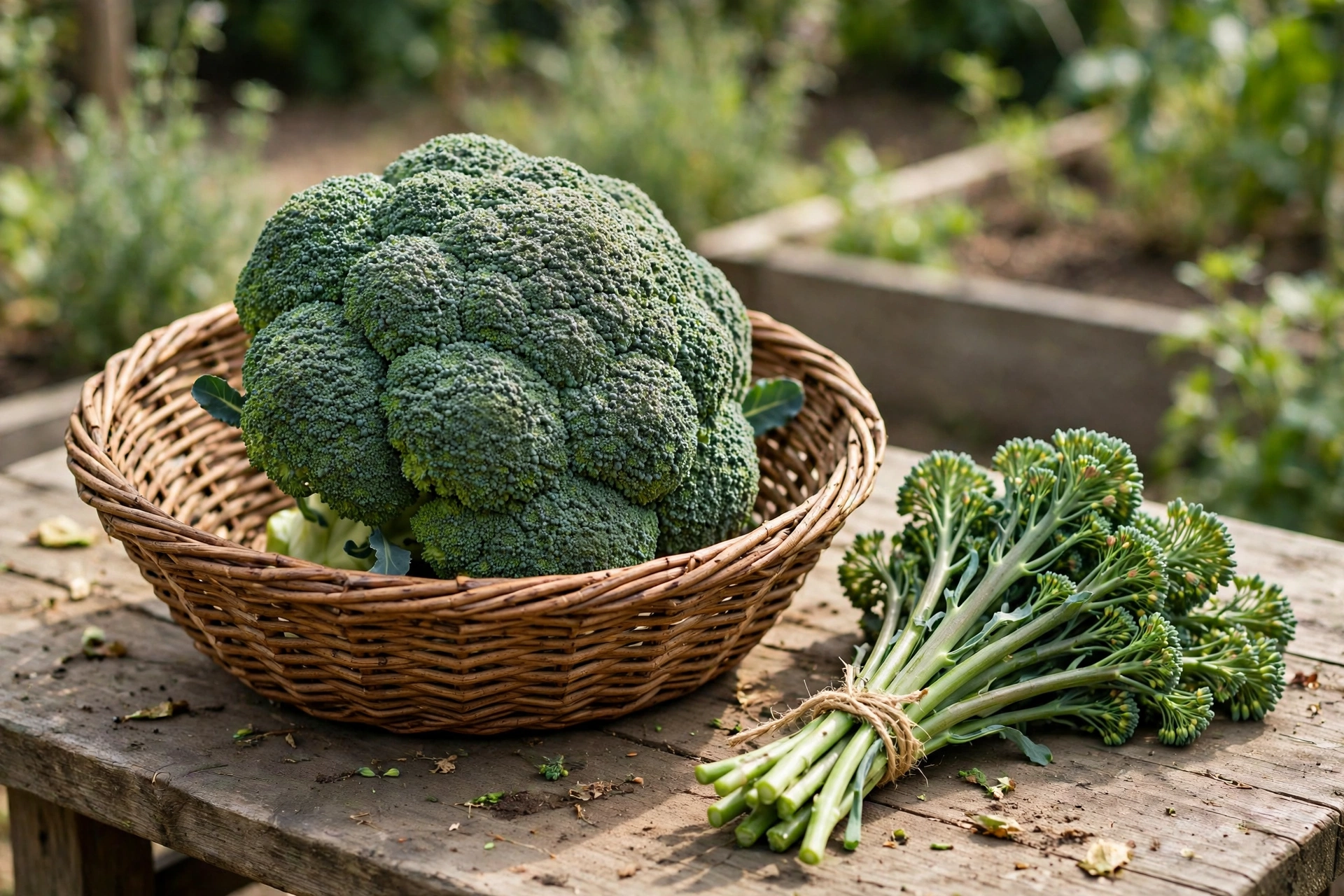
Aspabroc never has a main event. Its florets are 1 to 2 inches across on asparagus-like stems, and the packet’s harvest instruction is a rhythm, not a date: cut the budding shoots about 5 inches down, just before the flowers open, and the plant sets 3 to 5 more.

Flavor and the Pan
Heading broccoli is the sturdy one: dense florets that hold up in a soup, a gratin, or a freezer bag — Waltham 29 is listed as freezing well, and a big Belstar head is a meal’s worth of vegetable from a single cut.
Broccolini is the tender one. The packet describes a mild, sweet flavor with stems like asparagus, bred first as a gourmet restaurant specialty, and the whole shoot — stem, leaves, floret — goes into the pan without trimming. It wilts fast and freezes poorly compared with a dense head, so it wants to be eaten the day it is cut.
Aspabroc Broccolini Seeds
Aspabroc broccolini: tender stems and small florets for grilling, sautéing, or steaming, eaten fresh.
Check Price at Botanical InterestsThe Honest Costs on Each Side
Broccolini costs more and proves less. Aspabroc is $5.49 a packet with a 3.8-star rating from 5 reviews — the weakest record in this cluster — and its packet sows up to 20 feet, against Waltham 29’s 320 feet at $2.69. Per row and per dollar, heading broccoli is not close.
Heading broccoli’s cost is timing risk. A head forms once, in a window of days; miss the tight-bead stage in a warm week and it flowers. Broccolini forgives a missed day in a way a heading plant never will, because there is always another shoot coming.
Belstar Broccoli Seeds
Belstar’s tight 6–8 inch heads give the bulk harvest broccolini never matches, at $4.49 a packet.
Check Price at Botanical InterestsThe Middle Option Nobody Prices In
Di Cicco sits between the two forms, and for a small garden it may be the smartest plant on this page. It is a true heading broccoli, but the head is only 3 to 4 inches at 48 days — cut it at 3 inches and the plant produces smaller florets over a long period, which is broccolini’s picking rhythm at an heirloom’s $2.69 price.
Burgundy does similar work in purple, with generous side shoots after a small main head. Neither gives you Aspabroc’s tender stem — the shoots are florets on short stalks — but both give you the little-and-often harvest without the premium packet.
Di Cicco Broccoli Seeds
Di Cicco’s small first head and long run of florets deliver broccolini-style picking for $2.69.
Check Price at Botanical InterestsBottom Line
Grow heading broccoli — Belstar for reliability, Waltham 29 for fall — when the harvest needs to fill bags and feed a table at once. Grow Aspabroc when the pleasure is the picking itself: a handful of tender stems, cut fresh, three nights a week. If the budget allows only one packet and the garden is small, make it Di Cicco and take the middle road.