Your lawn needs both jobs, and the weekend is the only opening you have. The question is whether doing them together helps or hurts, and the honest answer is that it depends on the lawn, the season, and the order.
Done right, a same-day dethatch and aerate is a sensible fall project. Done in the wrong order, or on a lawn that is already stressed, it is two rounds of damage with no recovery time between them.
The short answer
Yes, you can dethatch and aerate on the same day, as long as three conditions hold. The grass is actively growing. The soil is moist. The lawn is healthy enough to regrow what the machines disturb.
For most cool-season lawns, that window falls in early to mid-fall. The grass is growing strongly, summer heat has passed, and there are weeks of growing weather left before winter. That recovery time is the whole reason fall is the season for this work.
If any of the three conditions is missing, split the jobs. Do the more urgent one now and the other when the lawn is ready. A lawn that cannot recover from one job will not recover better from two.
Why the order matters
Dethatch first, then aerate. The reason is simple: thatch sits on top of the soil, and aerator tines need to reach the soil to do their work.
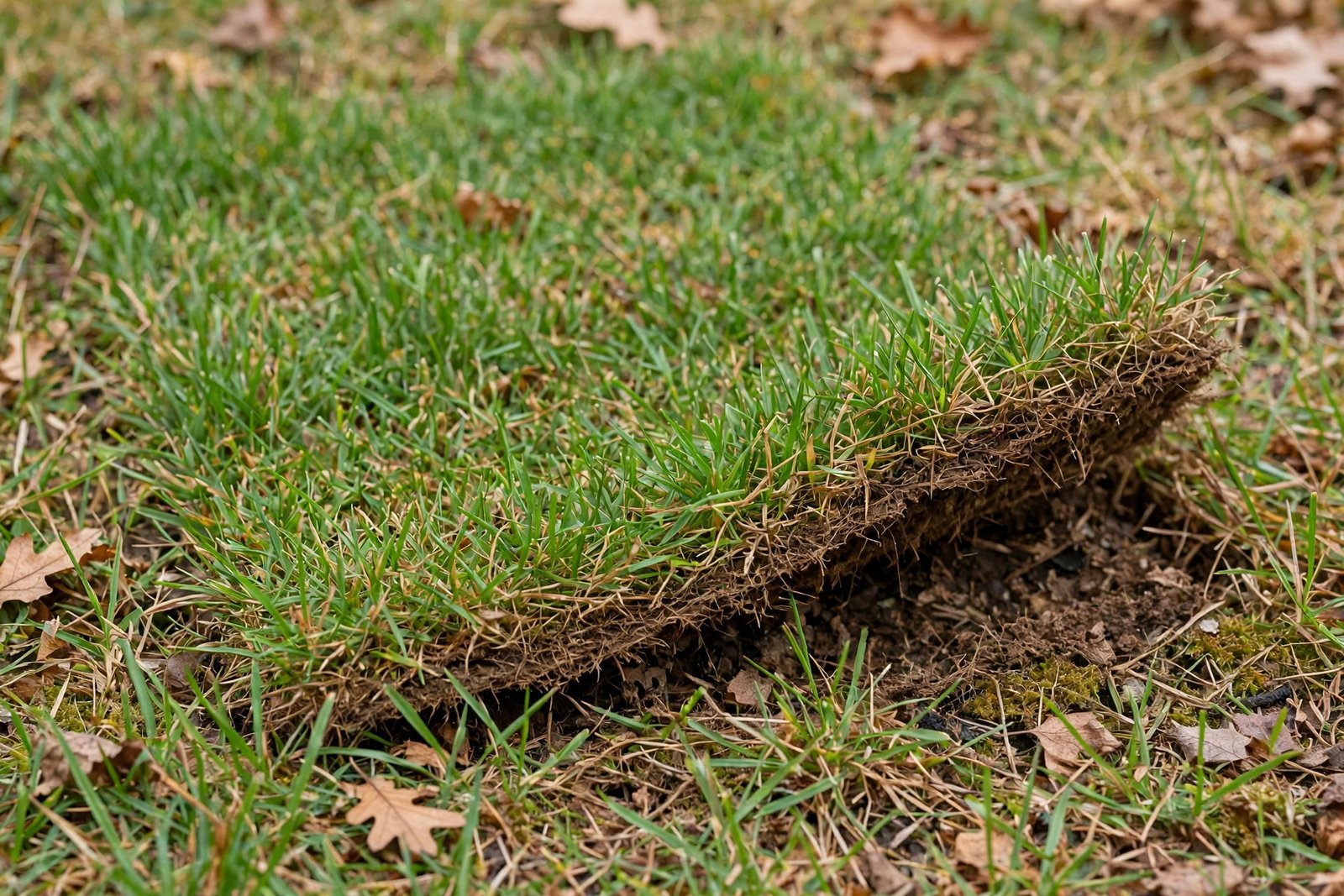
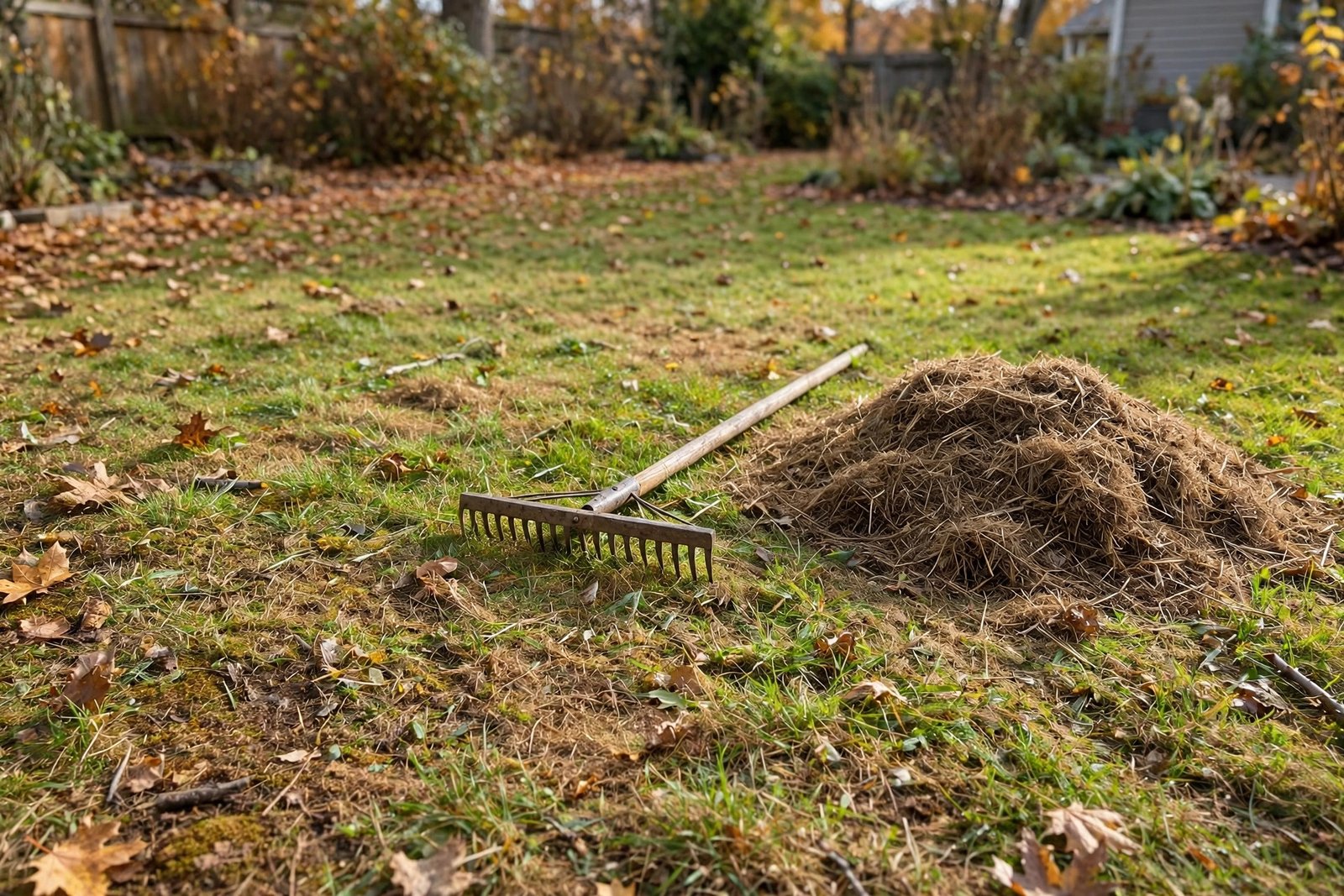
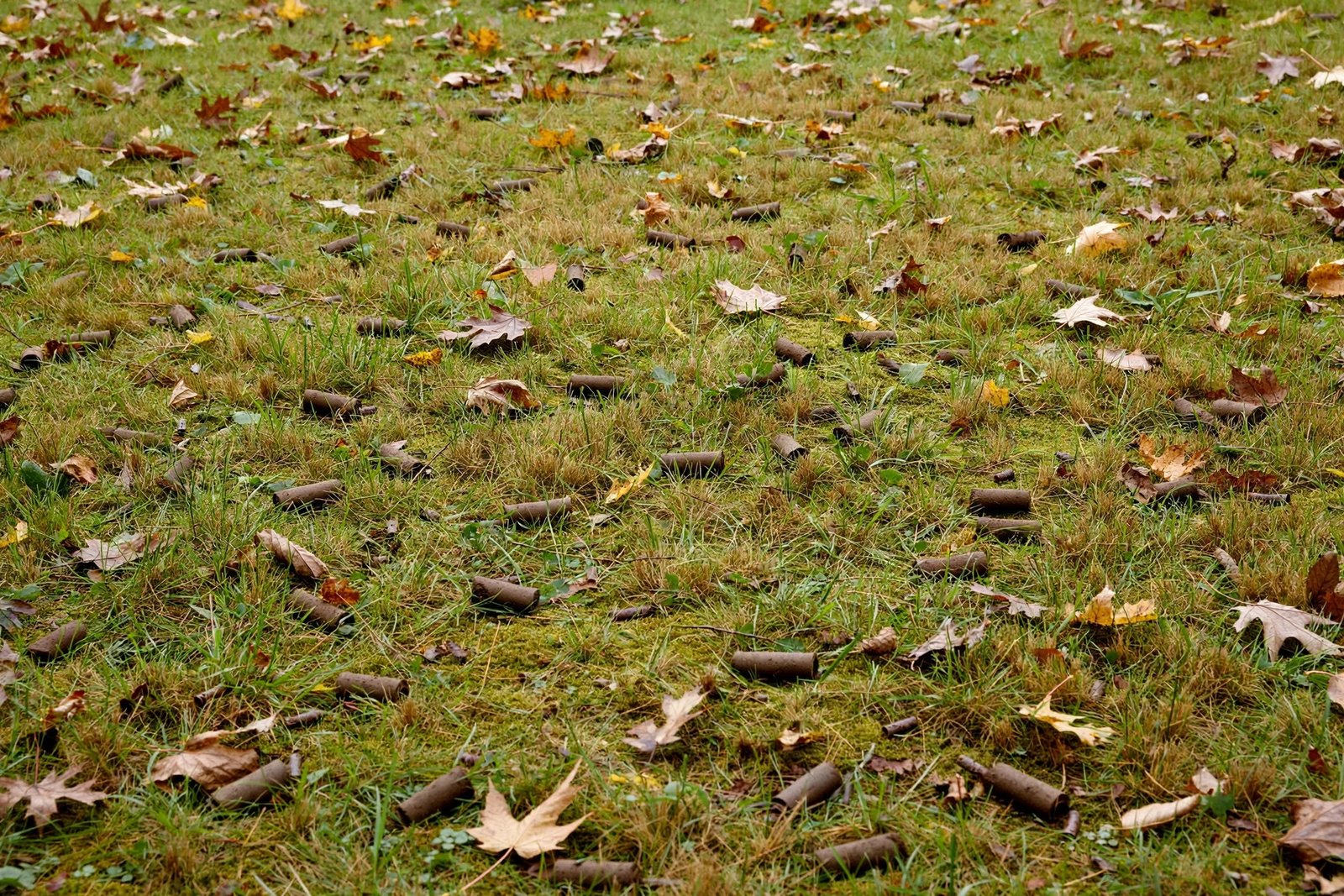
Run the dethatcher over a thatchy lawn and it pulls the mat out, leaving a clean surface. The aerator then punches plugs 2 to 3 inches deep into actual soil. Reverse the order and the aerator wastes its first effort punching through debris, while the dethatcher then rakes up some of the fresh plugs.
If overseeding is part of the plan, seed goes last, after both machines. Seed needs contact with bare soil, and the holes and grooves left by the two jobs give it exactly that. Scatter seed before aerating and much of it ends up buried too deep or raked away.
When to do it, and when to wait
Best timing: Early to mid-fall for cool-season grasses such as Kentucky bluegrass, fescue, and ryegrass. Soil should be moist from rain or watering the day before, not muddy and not dry.
Wait if: The lawn is dormant, drought-stressed, or still recovering from summer heat. Wait if new grass was seeded within the last couple of months and has not been mowed several times yet.
Warm-season lawns play by different rules. Bermuda, zoysia, and St. Augustine do their aggressive work in late spring and early summer, when they are growing fastest. Fall dethatching or aerating on a warm-season lawn risks winter damage, because the grass slows down just as it needs to heal.
Soil temperature is a better guide than the calendar. Cool-season grass grows strongly while soil is roughly 50 to 65 degrees. If growth has clearly slowed and nights are turning cold, the window has closed, and the jobs should wait for spring.
The same-day sequence
Step 1: Mow a little short. Cut below your usual height so both machines reach the thatch layer and the soil instead of chewing tall grass.
Step 2: Water the day before. Moist soil lets tines and plugs cut cleanly. Dry soil makes both machines bounce and tear. Soggy soil clogs them.
Step 3: Dethatch in straight passes. Work in one direction, then rake up the debris. A heavy thatch layer can produce a large pile, and leaving it on the lawn undoes the job.
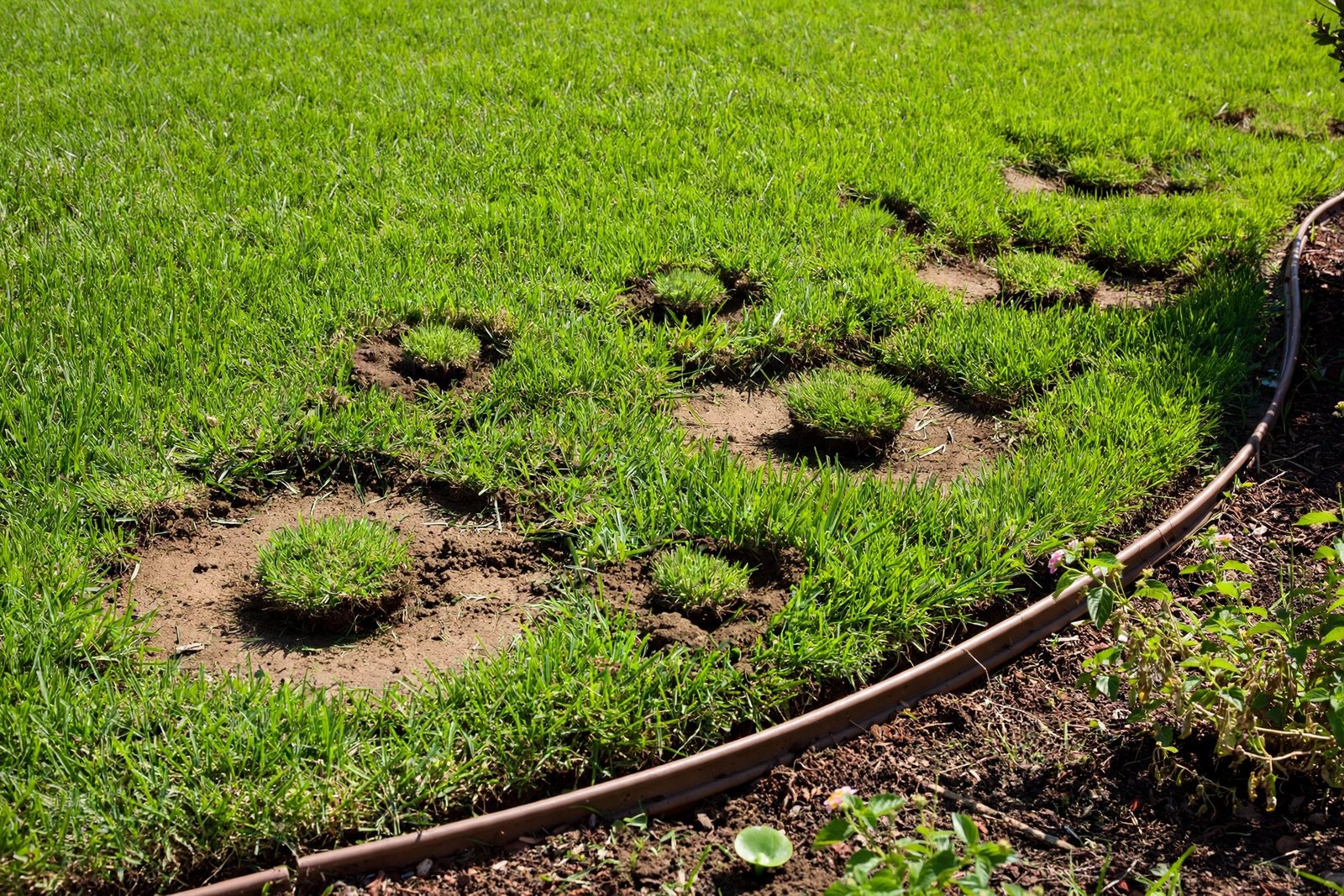
Step 4: Aerate over the same area. Make two passes over high-traffic zones, one pass elsewhere. Leave the plugs where they fall. They break down on their own within a few weeks.
Step 5: Seed, if the lawn is thin. Spread seed right after aerating, while the holes are open. If the lawn is full and only compacted, skip the seed. It adds nothing.
Step 6: Water lightly and stay off the lawn. Keep the surface damp for the first week, especially if seed went down. Avoid heavy traffic until the grass shows new growth.
Not sure both jobs are needed at all? Run the checks in How to Tell Whether Your Lawn Needs Dethatching, Aerating, or Both first. A same-day plan built on a guess is how a healthy lawn gets two jobs it never needed.
When to split the jobs instead
Split the work if the lawn is thin, patchy, or already stressed. Do the dethatching first, give the lawn two to three weeks to recover, then aerate. The gap costs a second weekend, and it saves a lawn that would have struggled through both jobs at once.
Split them if the season is late. Aeration is the gentler job, so it is the one to keep when time runs short. Dethatching late in fall leaves open soil with too little growing weather to fill in.
Split them if you are hiring one job out. A rental aerator and a hired dethatching crew rarely share a schedule, and that is fine. The order still matters, so book the dethatching first.
Recovery: what to expect week by week
Week 1: The lawn looks rough. Bare patches show where thatch came out, and plugs dot the surface. This is normal. Water lightly and keep traffic off.
Weeks 2 to 3: New growth fills the thin spots, and plugs start breaking down. If seed went down, seedlings appear in the aeration holes first. Mowing can resume once grass reaches normal height, with a sharp blade and a light touch.
Weeks 4 to 6: The lawn should look fuller than it did before the work. Puddles shrink, water soaks in faster, and the surface feels firmer. If thin patches persist past six weeks, the cause was probably not thatch or compaction, and it is worth diagnosing before repeating either job.
For the aftercare details, see How to Care for Your Lawn After Aerating and How Soon Can You Mow After Aerating? And if scarifying is also in the plan, the comparison in Dethatcher vs Aerator vs Scarifier: Which Does Your Fall Lawn Actually Need? explains where it fits.
What to watch next
Watch water first. The earliest sign the work paid off is rain soaking in instead of pooling. Watch growth second. Filling thin spots takes weeks, not days, and patience here is part of the job.
The one mistake that undoes all of it is heavy traffic right after. A newly opened lawn compacts again fast under the same footpath and the same mower ruts. Give it a few quiet weeks, and it will repay the weekend you spent on it.