Start with what you are growing, not which structure looks tidier in the garden — that one question settles cold frame vs mini greenhouse. A bed of winter greens and a shelf of potted seedlings are different jobs, and the two structures are built for different jobs.
A cold frame sits low over a bed, in the ground. A mini greenhouse stands taller, usually with shelves, and usually holds pots. Both trap heat. They differ in how much heat they trap, how they vent, and how they handle wind.
Heat: low and steady vs tall and swingy
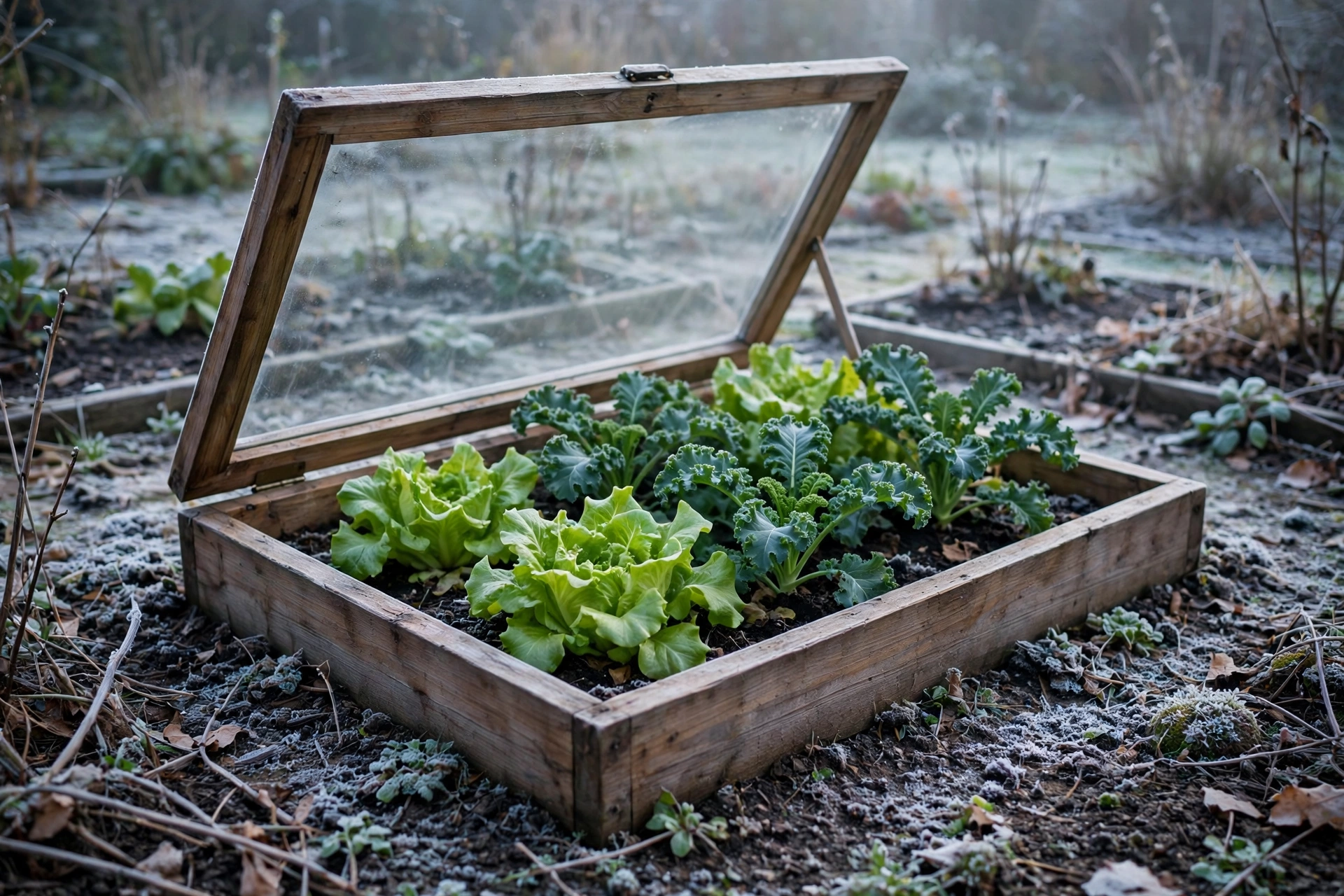
A cold frame’s low profile is its advantage. Less air inside means it warms up in the morning sun and cools down slowly at night, and the soil underneath holds heat. On a cold night, ground soil is a heat battery a pot on a shelf does not have.
A mini greenhouse holds more air, so it swings more: hotter on a sunny afternoon, colder on a clear night. That swing is fine for hardening off seedlings in spring, when you are watching daily. It is a liability in winter, when a sunny day followed by a hard freeze can cook plants at noon and freeze them at midnight.
Venting: the part people forget
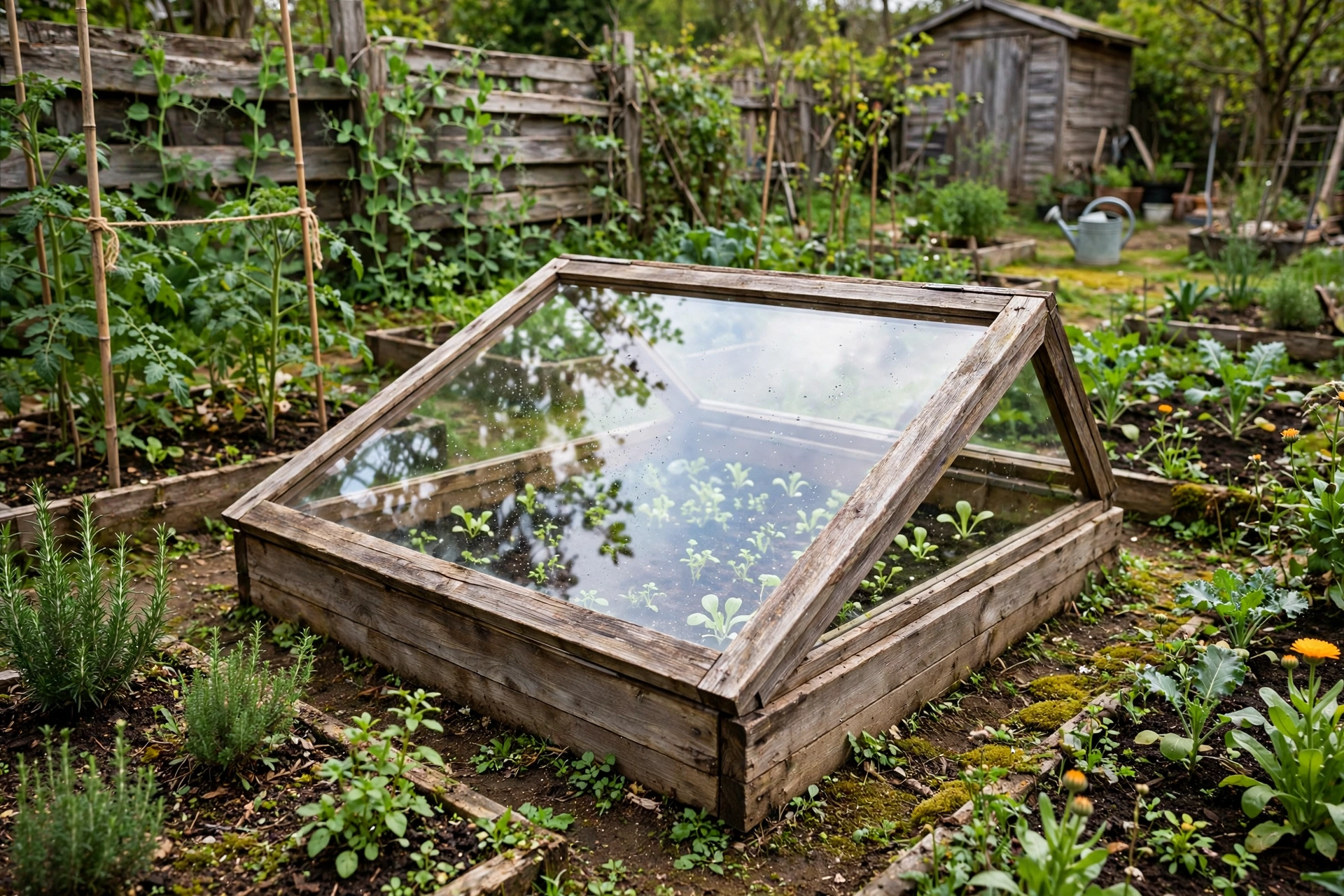
Both structures need a vent, and the cold frame usually does it better at this size. A hinged lid, propped open a crack, vents a low frame fast. The best cold frames vent themselves with a temperature-activated opener, so nobody has to be home at 2 p.m. on a sunny day.
A mini greenhouse vents through a door, a roof vent, or a rolled-up cover. That works, but it needs you to remember it, and a tall cover left closed on a sunny day turns into an oven. If you are away during the day, the cold frame’s simpler venting is the safer bet.
Wind and space
Low wins in wind. A cold frame hugs the ground, and a gust passes over it. A tall mini greenhouse catches wind like a sail and needs anchoring, especially on a patio where it cannot be staked into soil. If your garden is exposed, that alone can decide it.
Space cuts the other way. A mini greenhouse fits a balcony or a patio corner where there is no bed to cover, and its shelves hold more plants per square foot. A cold frame needs a bed, or at least a patch of ground.
The verdict, by job
Winter greens, in the ground: cold frame. The soil heat, the low profile, and the simple venting all favor it, and the Backyard Discovery Aggie in our roundup is built exactly for that job.
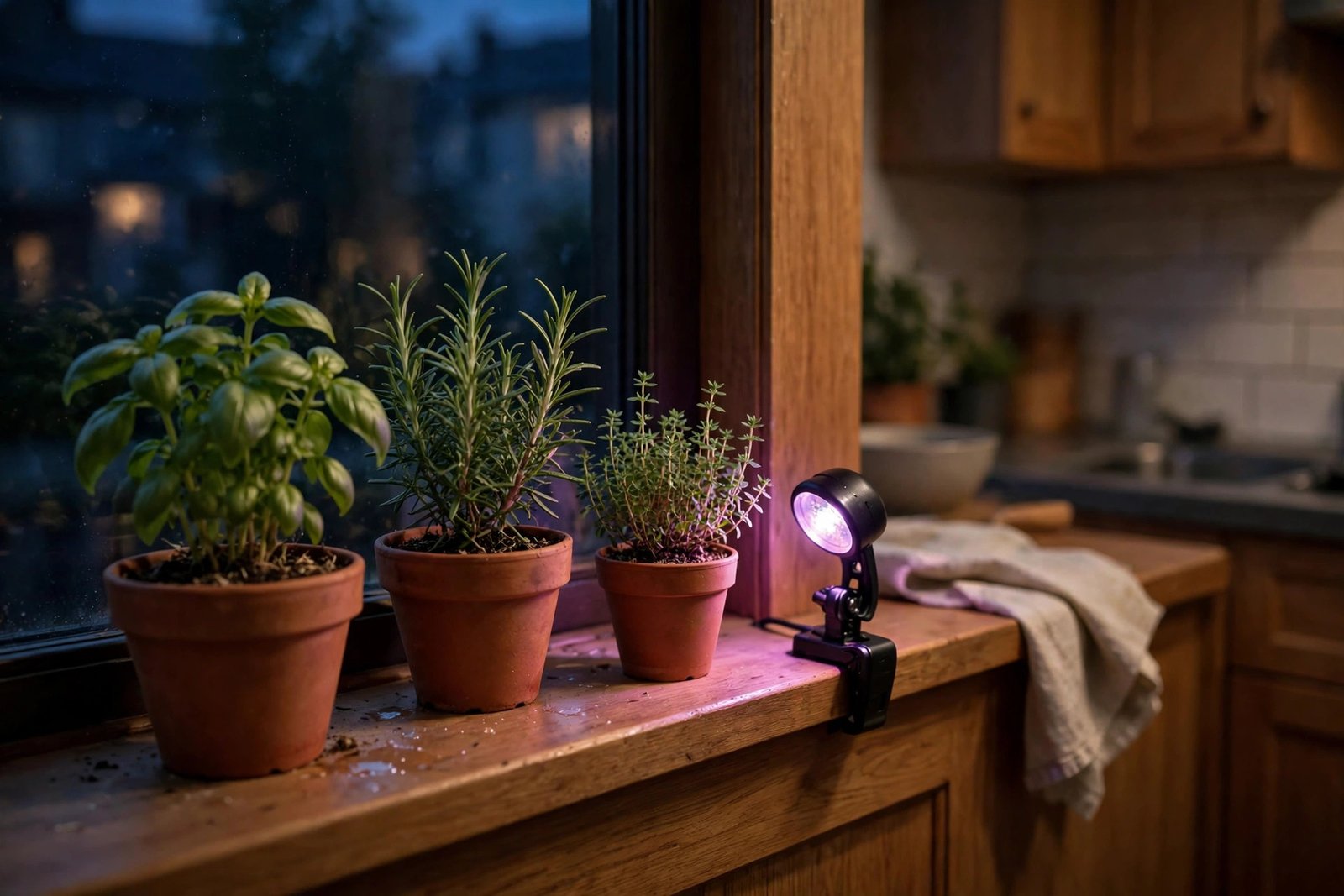
Pots, trays, and spring seedlings: mini greenhouse. Shelves beat a flat bed when everything is in a container, and spring days are forgiving enough that the temperature swing matters less.
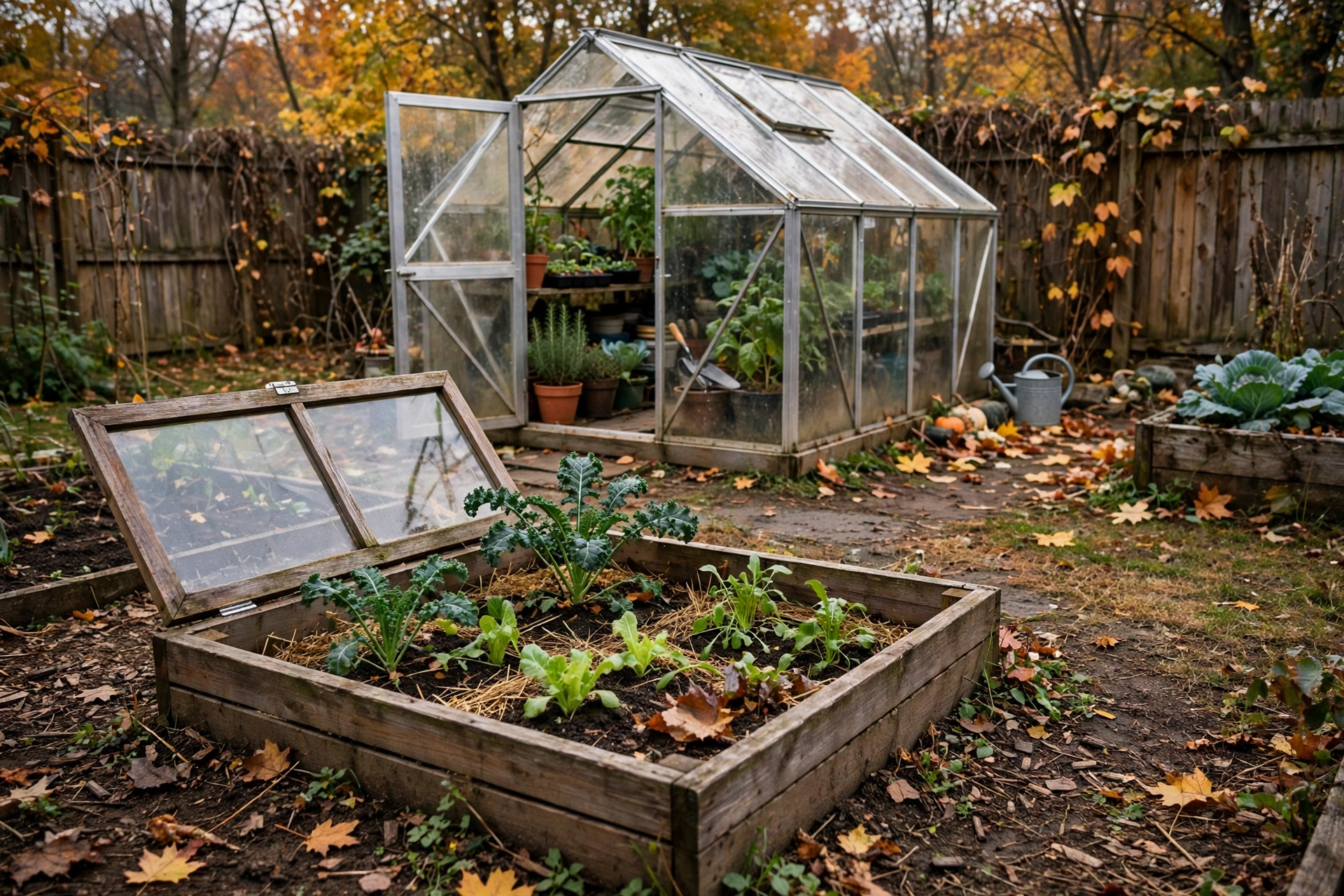
One bed and one patio: do not choose. A low frame over the bed and a small shelved greenhouse for pots costs less than one big structure that does neither job well.
What to do next
Check what you will actually grow in it before you buy. What to Grow in a Cold Frame Through Winter lists the crops that hold up under a frame, and if the answer is greens in the ground, the cold frame wins on every count that matters in January.