This site contains product affiliate links. We may receive a commission if you make a purchase after clicking on one of these links.
A cold frame is a small bet — a little wood and clear panels against a few weeks of frost — and the right frame pays it back all winter. The wrong one pays it back once, then warps, blows over, or cooks the plants on the first sunny day.
What separates them is not size alone. It is a lid that vents, a frame that stands up to weather, and a height that fits what you actually grow. This roundup weighs those three things, not just the footprint.
The picks at a glance
| Cold frame | Best for | Size | Key feature |
|---|---|---|---|
| Backyard Discovery Aggie Cedar Cold Frame | Most gardens | 48 x 28.75 x 32 in. | Temperature-activated lid, cedar frame |
| Home-Complete Wood Cold Frame Greenhouse | Small spaces and balconies | 28 x 16 x 52 in. | Adjustable shelves, opening top |
| CHEFJOY Wood Cold Frame Greenhouse | One small bed | 37 x 25 x 16 in. | Hinged lid, fir frame, PVC roof |
Best overall: Backyard Discovery Aggie Cedar Cold Frame
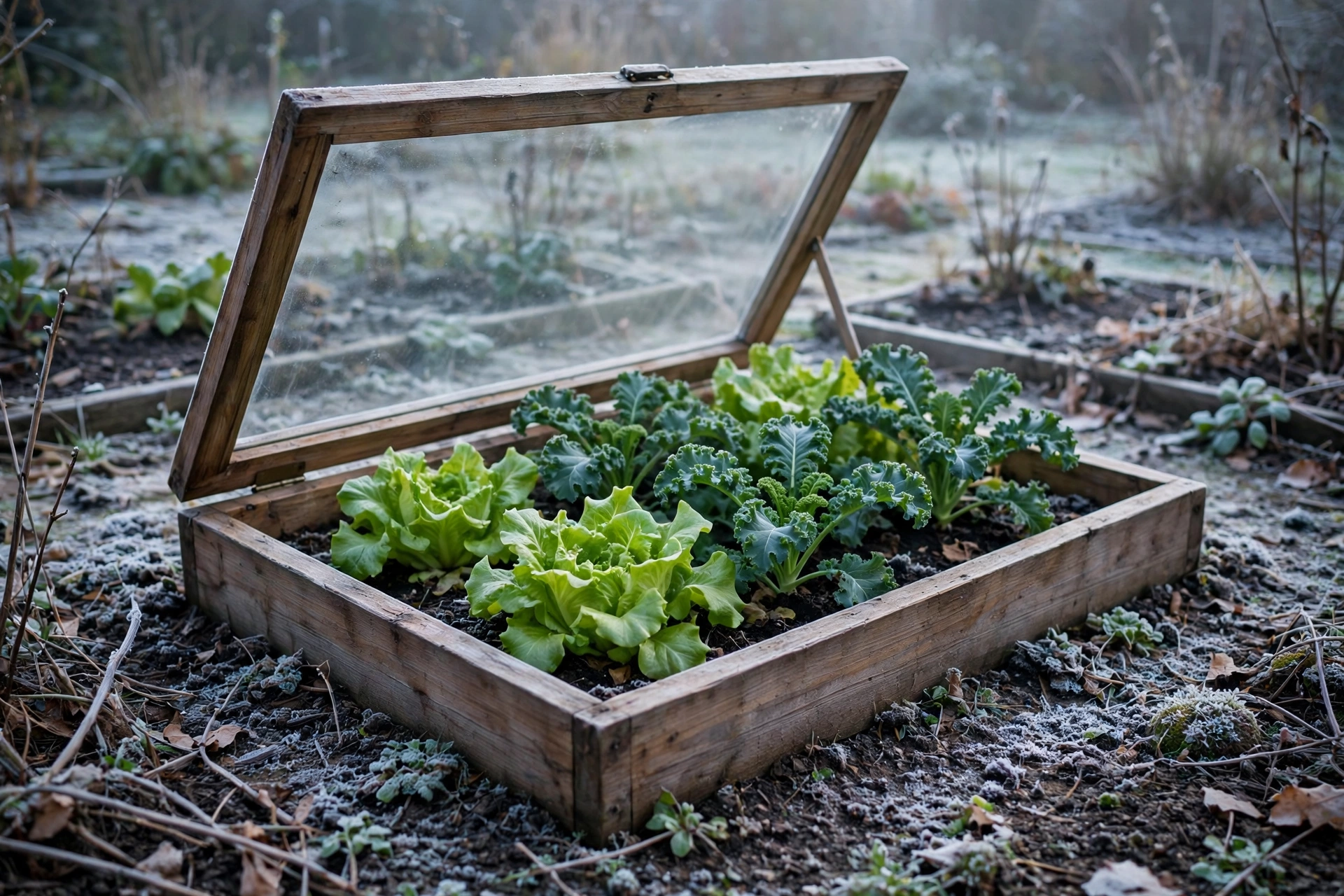
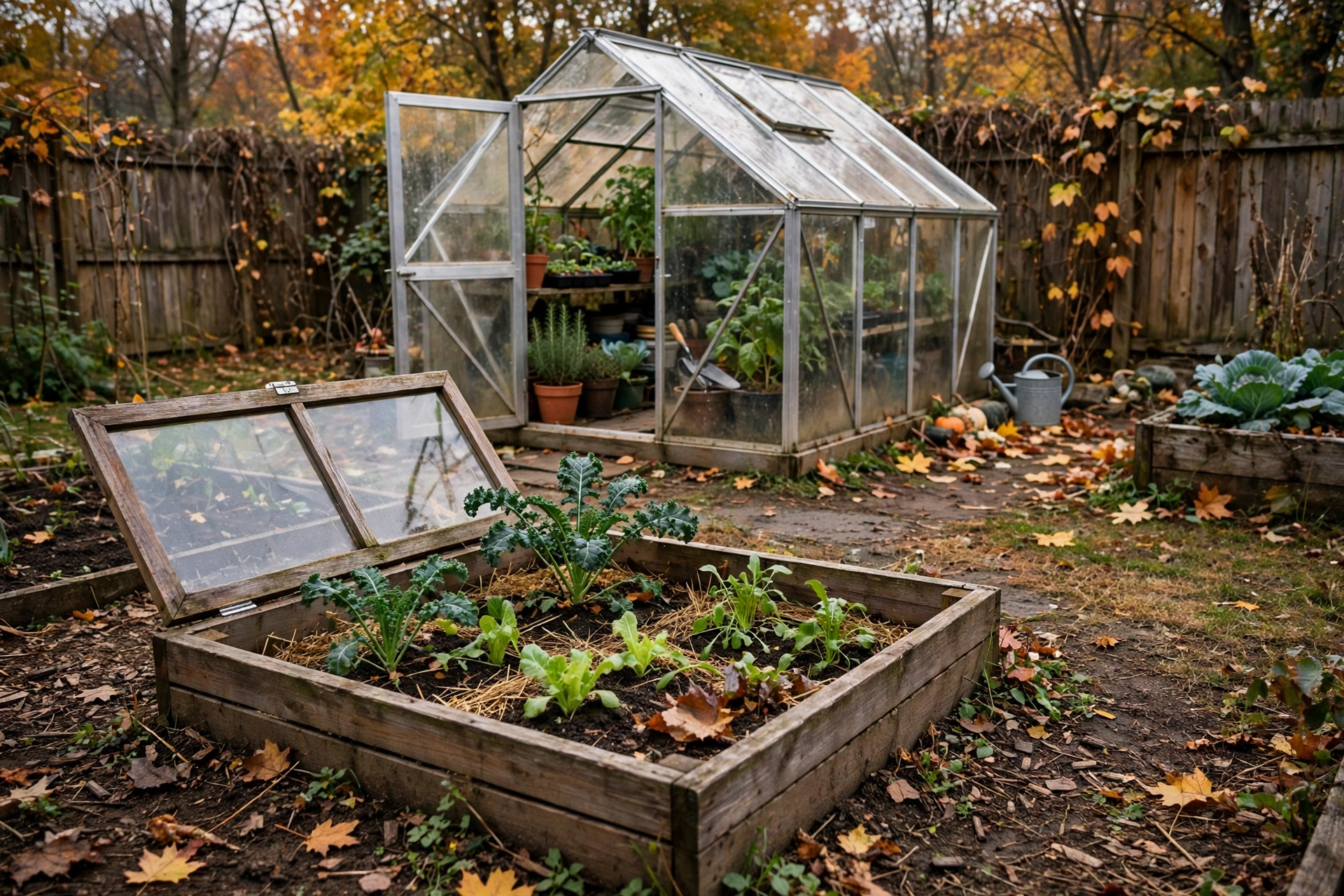
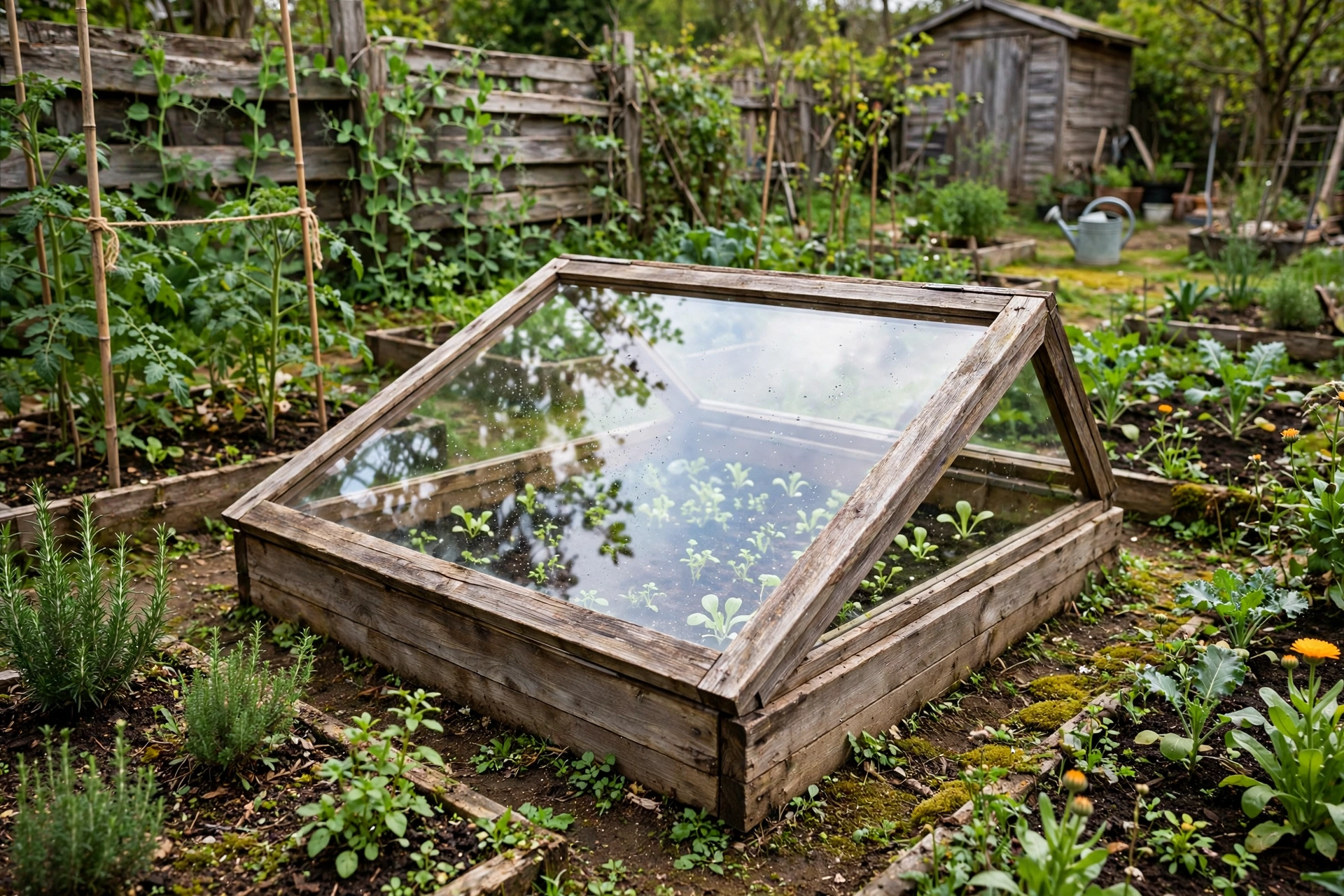
The Aggie is the frame to buy if you want a cold frame that works like a low raised bed with a lid on top. At 48 inches long and about 29 inches wide, it holds a real planting area — enough for a row of lettuce, a patch of spinach, or a flat of seedlings hardening off — and the cedar frame with steel legs and hardware stands up to weather better than plain fir.
The lid is the detail that earns the top spot. It opens automatically with temperature, so a sunny November afternoon does not cook the plants inside while you are at work. Mesh drainage in the bed keeps water from pooling, which matters more than it sounds: a cold frame that holds water rots roots in winter.
The trade-off is height. At 32 inches tall, it fits leafy greens and seedlings, not tall kale or a tomato plant you forgot to move. Grow low things in it, and it is the right tool. Try to grow tall things in it, and you will be lifting the lid off entirely.
Pros: Real planting area for greens; temperature-activated lid vents itself; cedar and steel construction; mesh drainage.
Cons: Too short for tall crops; heavier to move than a plastic frame.
Backyard Discovery Aggie Cedar Cold Frame
A cedar cold frame that vents itself when the sun comes out, sized for real rows of greens.
Runner-up: Home-Complete Wood Cold Frame Greenhouse
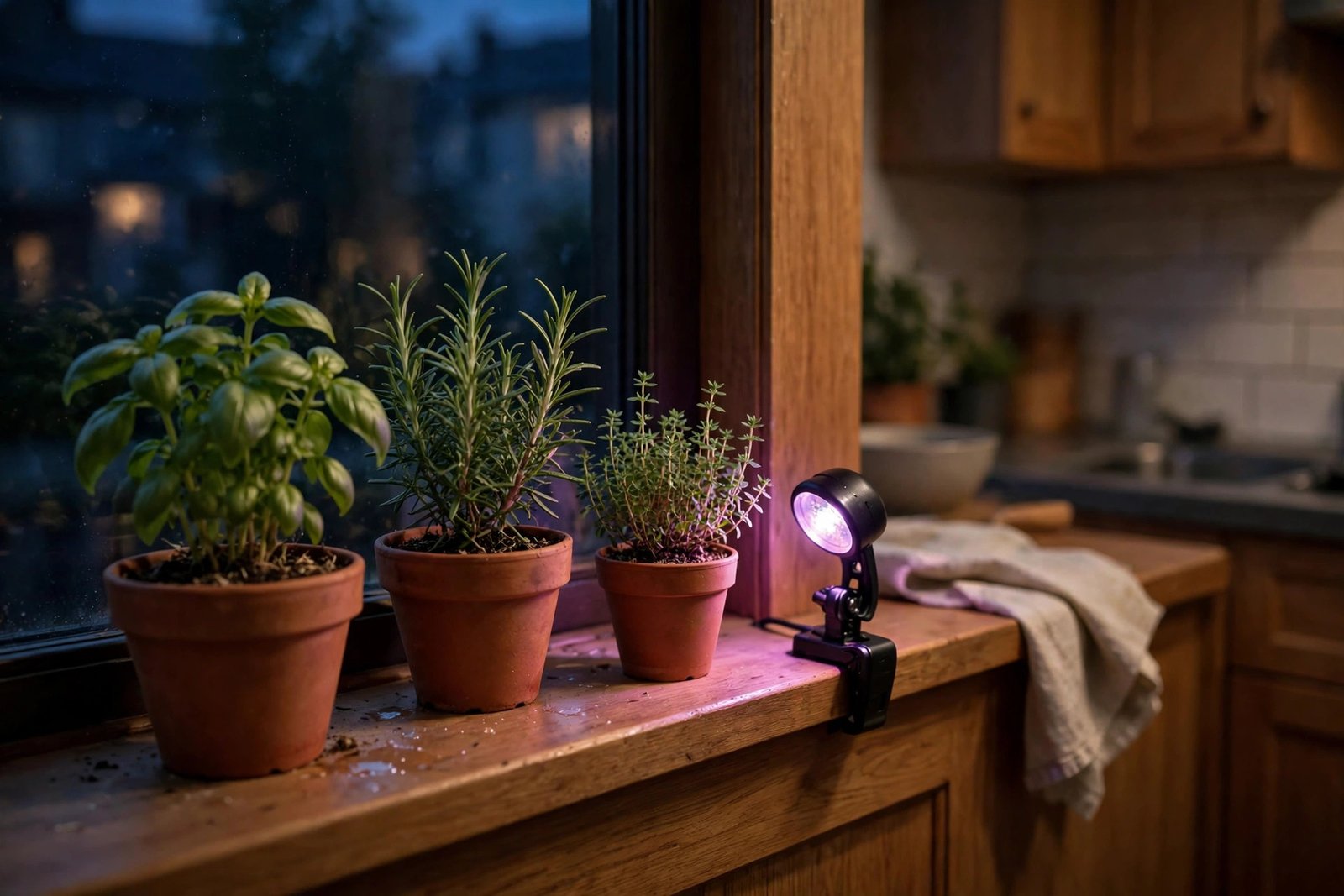
The Home-Complete frame is a different shape: a tall, narrow cabinet, 28 inches wide and 52 inches tall, with adjustable shelves inside and a top that opens for ventilation. It fits a balcony, a patio corner, or a small garden where a ground-level frame has nowhere to sit.
The shelves are the point. Pots and seed trays stack in tiers, so a small footprint holds more plants than a flat frame of the same size. The wood frame and polycarbonate panels keep wind and frost off, and the opening top lets you reach in without dismantling anything.
The trade-off is that it is a shelter for pots, not a bed for planting in the ground. Plants in pots dry out faster and freeze harder than plants in soil, so this frame needs more watering and more watching on cold nights than the Aggie.
Pros: Small footprint with shelf space; opening top for ventilation; fits patios and balconies.
Cons: Pots dry out and freeze faster than ground beds; narrow width limits row planting.
Home-Complete Wood Cold Frame Greenhouse
A tall, shelved cold frame for pots and trays where a ground-level frame will not fit.
Best compact: CHEFJOY Wood Cold Frame Greenhouse
The CHEFJOY frame is the small, simple version: a fir wood frame with a transparent PVC roof, about 37 inches long, 25 inches wide, and 16 inches tall, on a steel frame. It sits over a single bed or a row of pots, and the hinged lid opens for watering and venting.
Its virtue is that there is almost nothing to go wrong. No shelves to adjust, no tall structure to anchor, just a low cover that keeps frost and wind off a small patch. For a first cold frame, or for protecting one bed, that simplicity is a feature.
The trade-off is height and depth. At 16 inches tall, it fits low greens and seedlings only, and a single cold night will test it harder than the deeper Aggie bed. Treat it as a frost cover with a lid, not as a winter-long growing house.
Pros: Simple, low, and easy to place; hinged lid for venting; fits a single bed.
Cons: Shallow height limits crops; less insulation than a deeper frame.
CHEFJOY Wood Cold Frame Greenhouse
A low, simple fir-and-PVC cover for one bed of greens or a flat of seedlings.
Honest not-recommended: a tall walk-in greenhouse as a cold frame
A walk-in greenhouse looks like a bigger, better cold frame. It is not, for this job. A tall plastic greenhouse catches wind, needs anchoring, and heats up fast on a sunny day with no automatic venting. For a few rows of winter greens, it is more structure, more wind risk, and more temperature swing than a low frame.
Buy a walk-in greenhouse when you need to walk inside it — for tall plants, a potting bench, and season-long growing. Buy a cold frame when you need to protect a bed. The low frame does that job with less to go wrong.
How to choose in thirty seconds
Ground bed and greens: the Aggie. Pots, trays, or a patio: the Home-Complete. Still deciding whether a frame or a mini greenhouse fits your garden? Cold Frame vs Mini Greenhouse settles that, and What to Grow in a Cold Frame Through Winter lists what actually survives inside one. For strawberries specifically, Cold Frame vs Straw for Strawberries compares frame protection with straw mulch.
Bottom line
Most gardens need the Aggie: a cedar frame, a lid that vents itself, and a bed big enough for real greens. Small spaces belong to the Home-Complete shelved frame. Match the frame to where you plant, and winter stops being a full stop.