Here is the mistake: buying the loudest machine on the page because the yard looks like a lot of work. A gas engine feels like the serious answer to a big pile of leaves. Most of the time it is the expensive, thirsty answer to a job an extension cord handles better.
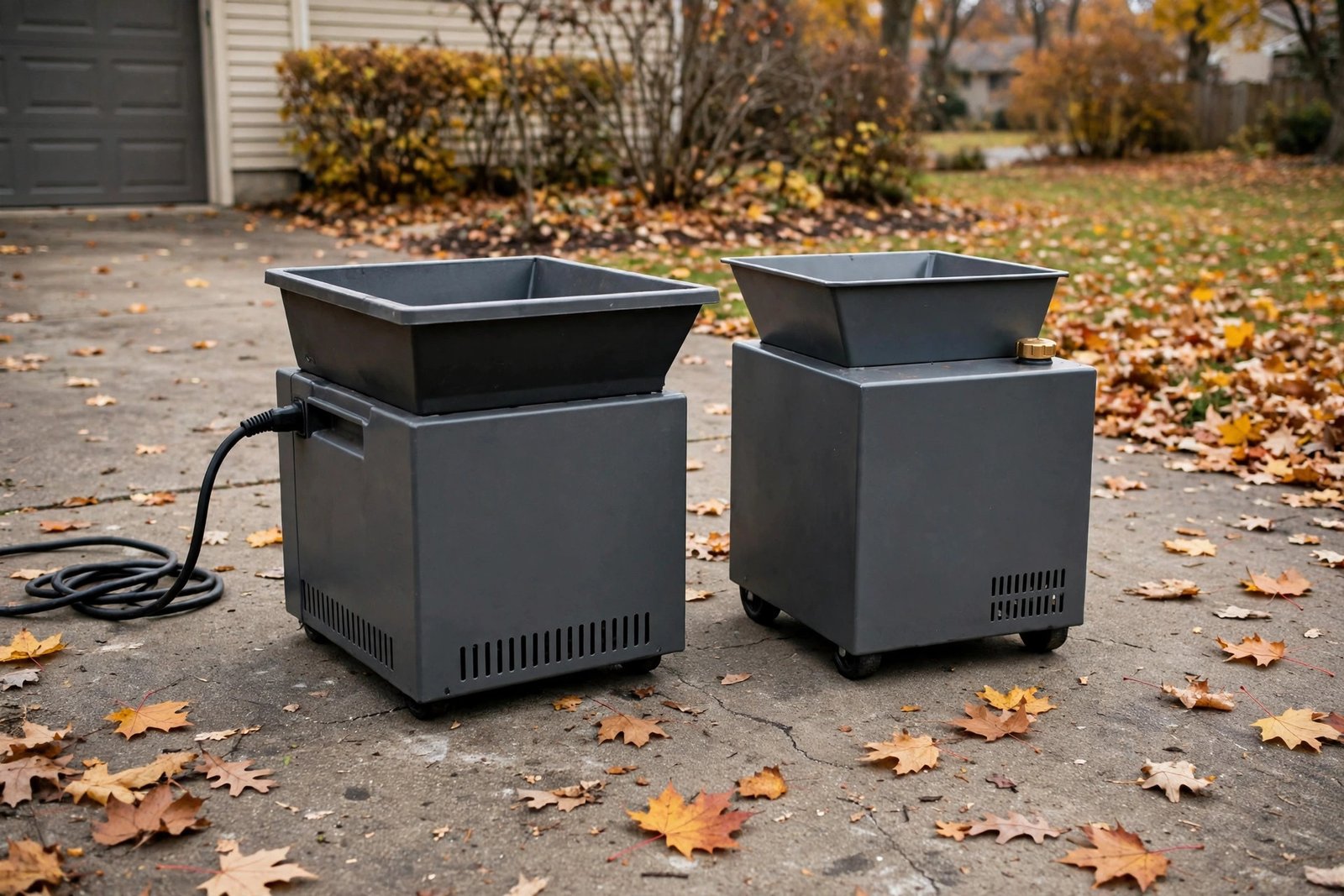
Electric mulchers win for most yards. Gas earns its keep only when branches join the leaves, and then the right machine is usually a chipper, not a leaf mulcher at all. Here is how the two actually compare, so the choice is about your yard and not about the noise.
The Real Difference Is the Material, Not the Motor
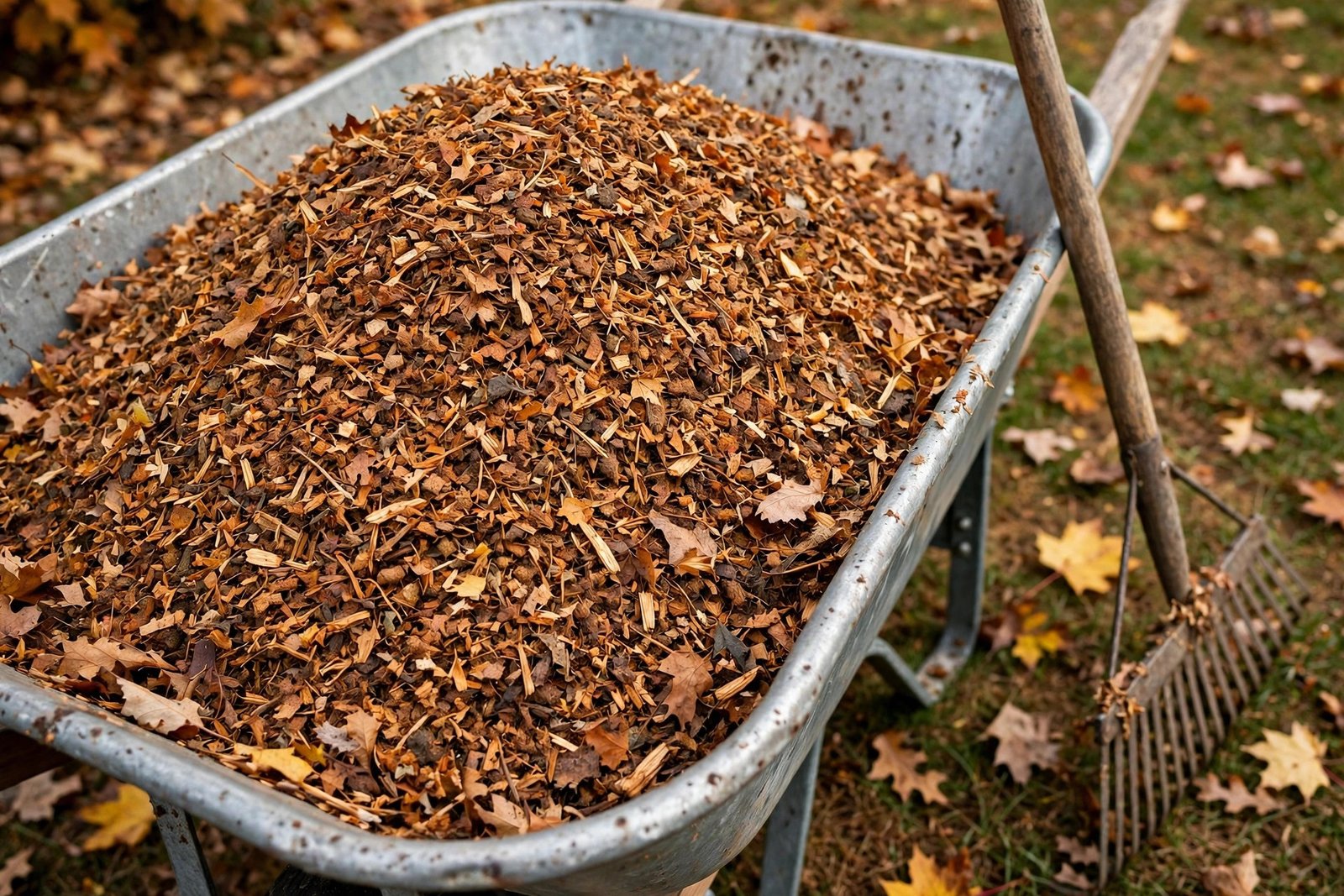
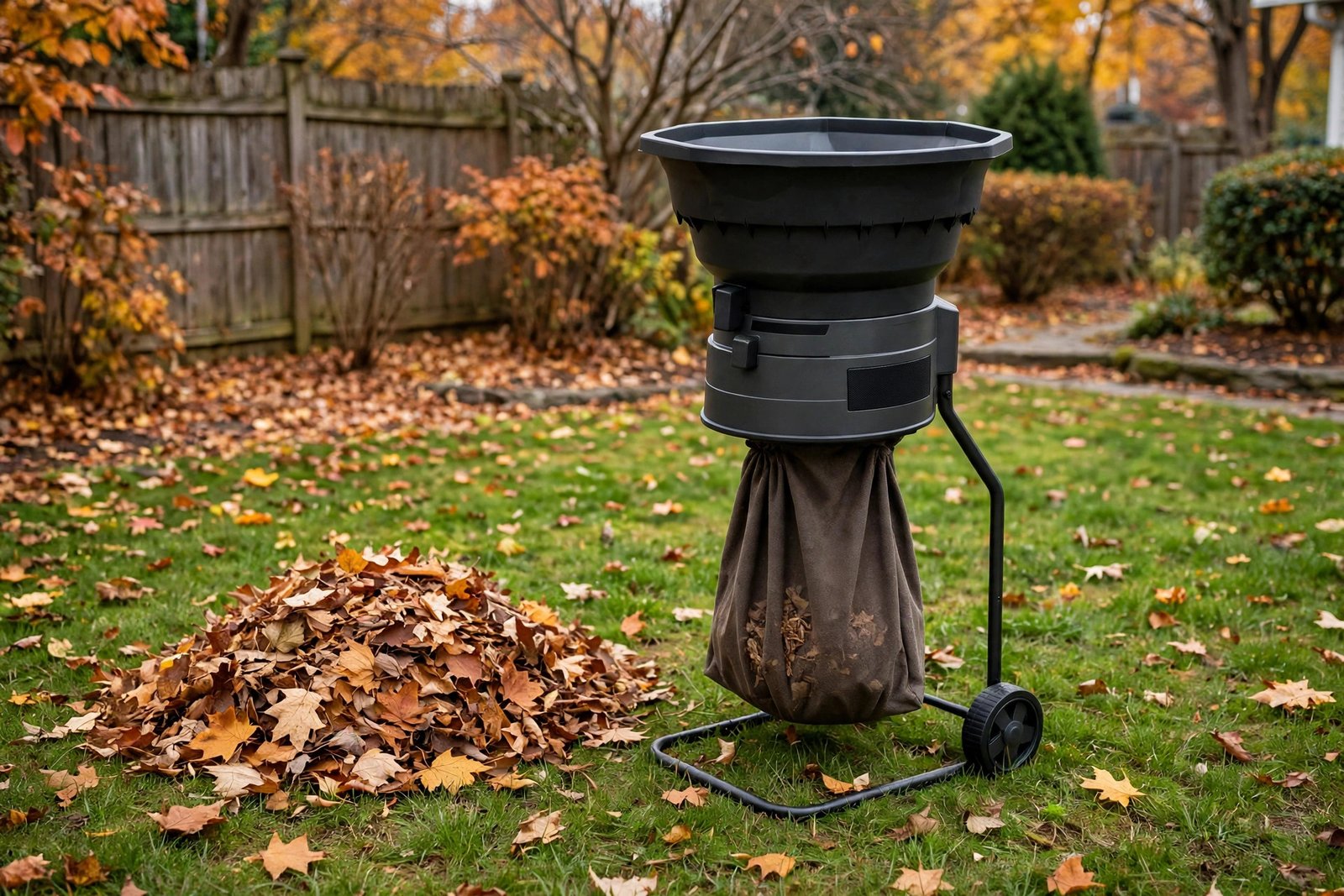
Leaf mulchers shred leaves, thatch, grass clippings, and pine needles. That is the whole job description, and every bladeless electric model in our leaf mulcher roundup is built around it, using flexible cutting line instead of blades.
Gas machines in this category are usually chipper/shredders. They add a blade system that eats small branches, and they charge you for it in weight, fuel, maintenance, and noise. If your fall cleanup is leaves and needles, you are paying for branch capacity you will not use. If branches are genuinely part of the pile, say so plainly and buy the chipper on purpose.
Power: What the Numbers Actually Say
Electric mulchers in this class run 13 to 15 amps on household current. The Worx WG430 runs 13 amps at 8,500 rpm and moves up to 53 gallons of leaves a minute. The Sun Joe SDJ616 runs 13 amps at 8,000 rpm and moves up to 55 gallons a minute. Those are not small numbers, and they are achieved without a single trip to the gas can.
Gas wins on one thing only: freedom from the cord. A gas machine runs anywhere, as far from the house as the pile sits. Electric runs as far as a properly rated extension cord reaches, and a 13-amp tool needs a cord rated for the load, not the thinnest cord in the garage. For most suburban yards, where the pile is raked up near the house anyway, that limit rarely bites.
Noise, Fumes, and Starting
Electric mulchers are loud enough to need hearing protection. The Sun Joe manual lists 110 dB, which is firmly in wear-earmuffs territory. Gas chipper/shredders are louder still, and they add exhaust fumes and vibration to the same afternoon.
Starting is where electric quietly wins the whole comparison. Plug in, flip the switch, feed leaves. Gas means fuel, oil checks, a pull cord, and winterizing before storage. Most homeowners use a leaf mulcher a few weekends a year. A machine that starts first try after eleven months in the garage is worth more than a machine with a bigger engine that needs coaxing.
Cleanup and Storage
Electric bladeless mulchers break down without tools. The Worx nests its parts for storage, the Sun Joe removes its legs and nests the motor housing inside the hopper, and the Flowtron folds its funnel for carrying. None of them needs fuel drained, oil changed, or a spark plug checked before spring.
Gas machines need all of that, and they need it done right, or they will not start next fall. They are also heavier to move and bulkier to store. If the machine lives in a crowded garage, the electric unit’s footprint is a real, everyday advantage.
At a Glance
| Factor | Electric leaf mulcher | Gas chipper/shredder |
|---|---|---|
| Best material | Leaves, needles, thatch, clippings | Leaves plus small branches |
| Starting | Plug in and switch on | Fuel, oil, pull cord |
| Noise | Loud; hearing protection needed | Louder, plus exhaust fumes |
| Upkeep | Replace cutting line as it wears | Fuel, oil, plug, blade care, winterizing |
| Reach | Extension-cord range | Runs anywhere |
The Verdict: Which One Fits Your Yard
Buy electric if your cleanup is leaves, needles, and thatch, which covers nearly every homeowner reading this. Buy the cord first if you do not own one rated for a 13-amp tool, and buy hearing protection with either machine.
Buy gas only if branches are a regular part of the pile and you are willing to maintain an engine for a few weekends of use a year. Even then, be honest about the branch sizes involved, and do not buy a chipper to shred leaves. That is the mistake this whole comparison exists to prevent.
Once you have picked a side, read how to choose a leaf mulcher for capacity and wet-leaf handling, and check the picks in our leaf mulcher roundup. The shredded leaves you make have somewhere to go, too: our pine needle composting guide puts them to work.
What to Avoid
Do not feed either type of machine branches it is not rated for. Bladeless mulchers jam and wear their lines out fast on woody material, and a chipper fed with a pure pile of wet leaves will clog just as happily. Do not skip the extension-cord rating on an electric machine. An undersized cord starves the motor and shortens its life. And do not run either machine without hearing protection. Your ears do not care which power source made the noise.