If your lawn looks thin after aerating, or patchy after overseeding, the order of the two jobs may be why. Aeration and overseeding are usually done on the same day, in the same project — but which comes first decides how much of the seed ever touches soil. Seed that never touches soil does not germinate, however good the seed or careful the watering.
Diagnosis: the seed-to-soil problem
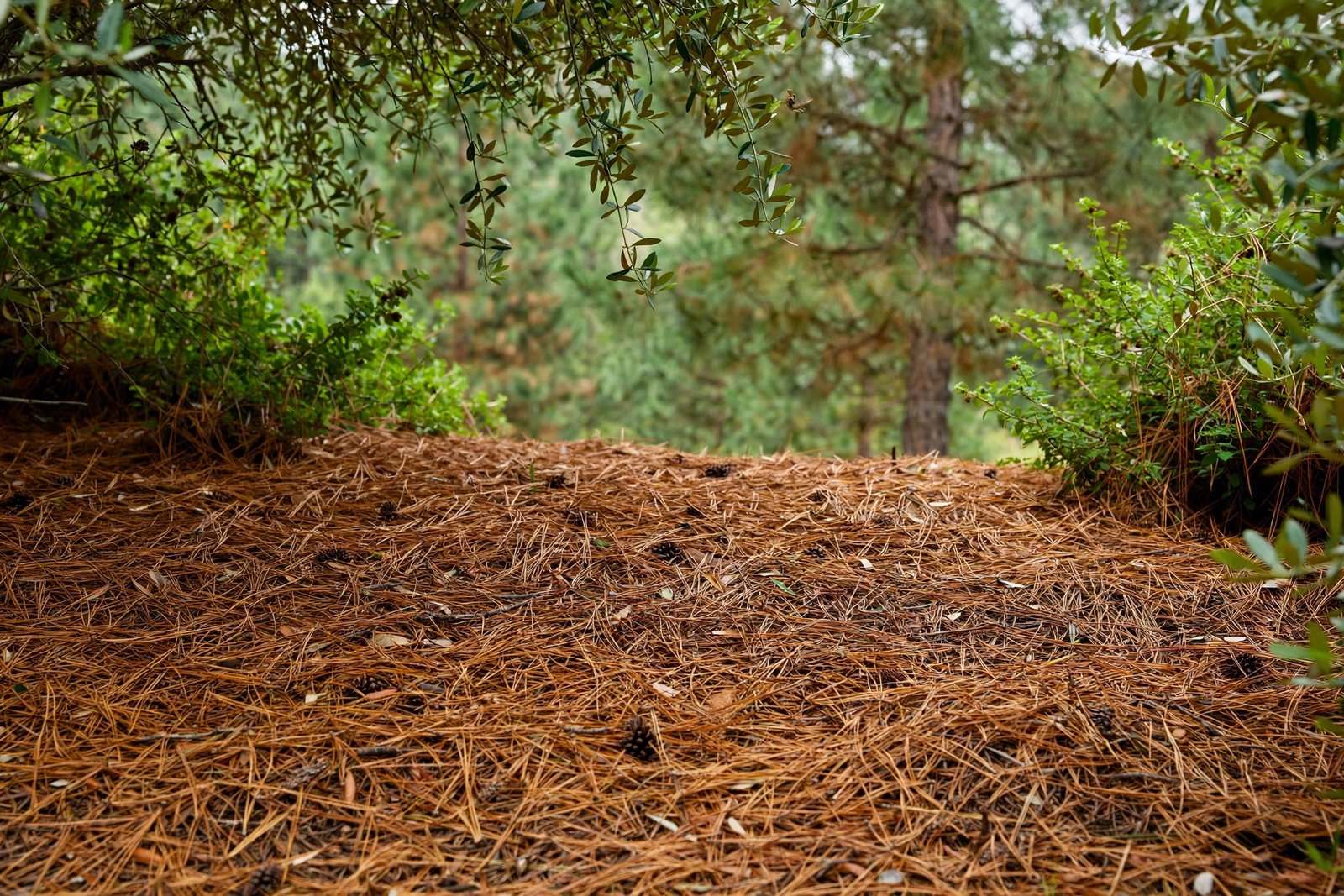
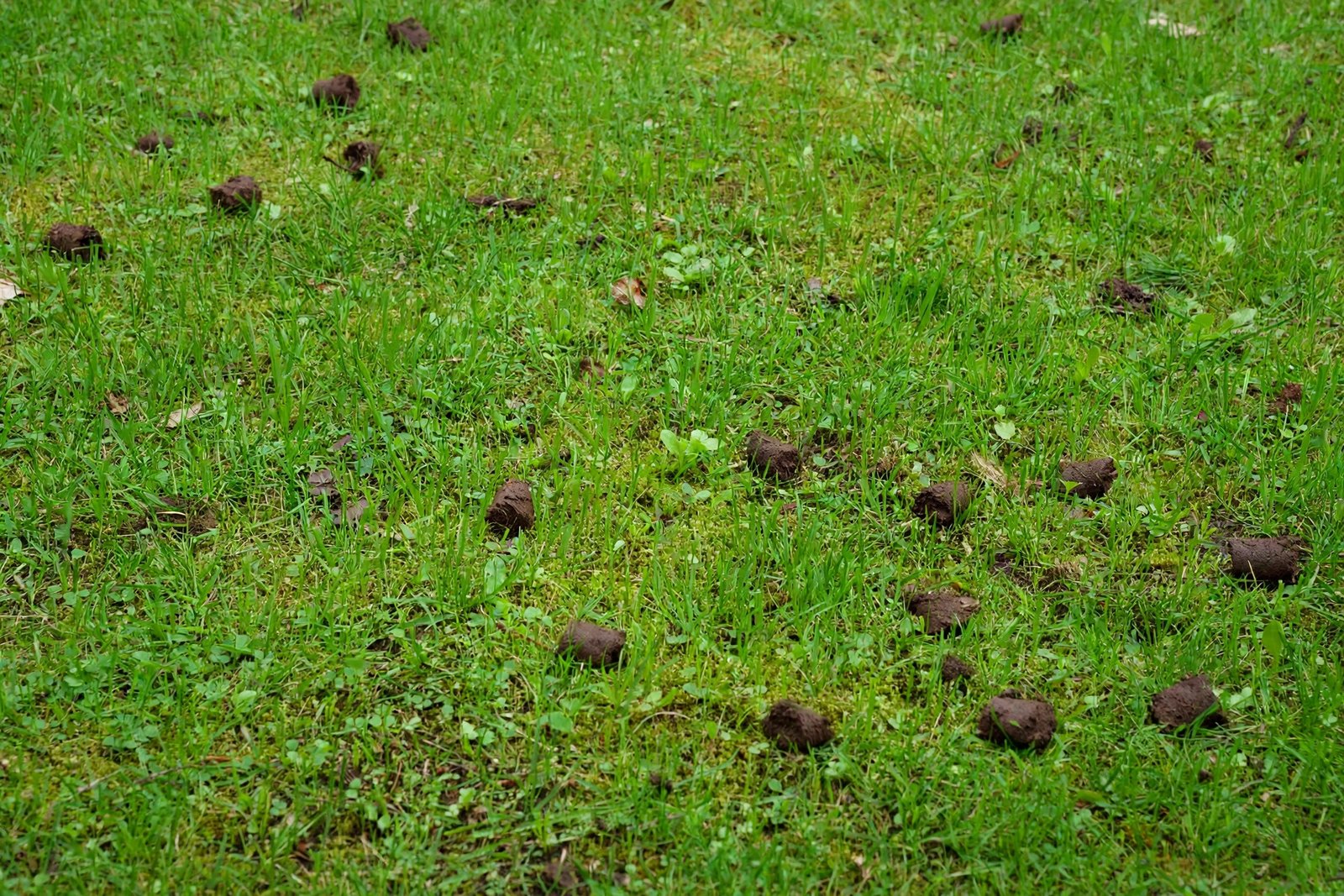
Grass seed needs direct contact with soil, moisture, and light to germinate. Scattered over thick thatch or compacted ground, most seed sits on top of the lawn, dries out between waterings, and gets eaten or blown away. Aeration fixes exactly that: hollow tines pull small plugs of soil out of the lawn, opening holes and breaking up the surface so seed can fall into contact with soil instead of sitting on thatch.
The likely causes of a failed overseed, ranked: (1) seed never reached soil — the order was wrong or the thatch was too thick; (2) seed dried out — watering was too infrequent in the first two weeks; (3) seed was old or the wrong type for the site. This article fixes the first cause. Watering and seed choice still matter, but they cannot rescue seed that never met soil.
The answer: aerate first, then overseed
Prepare the lawn, aerate, then spread the seed — always in that order. Aerating first opens the holes; spreading seed second lets seed fall into them, where it stays damp, stays put, and stays out of reach of birds. The broken-up plugs left on the surface help too: as they crumble, they lightly cover seed and hold moisture around it.
Reverse the order and the aerator does the opposite of what you want. It punches through seed already spread, buries some too deep, throws some onto the surface, and disturbs the even coverage you just laid down. One lawn-care writer’s rule of thumb is that overseeding before aerating can cut germination success roughly in half — the exact figure varies, but the direction is consistent across every source that addresses the order: seed last.
How to do the sequence, step by step
Mow low first. Cut the existing grass shorter than usual — about 2 inches — and rake up the clippings so seed reaches the ground. This is the one time a short cut helps; the lawn recovers as the new seed fills in.
Dethatch only if thatch is thick. If the spongy layer between grass and soil is more than about half an inch, dethatch before aerating. A thin layer is normal and does not need removal. If seed would land on a mat instead of soil, dethatching is what fixes it.
Aerate with a core aerator. Make two passes in different directions on compacted areas, and leave the plugs where they fall. Spike aerators punch holes without removing soil and help less here — the open plug holes are part of the point.
Spread the seed. Use the rate on the bag for overseeding, not the higher rate for a new lawn; extra seed crowds seedlings and invites disease. A spreader gives even coverage; hand-scattering gives clumps and gaps.
Water short and often. Keep the top inch damp with light, frequent watering until seedlings are established, then stretch the intervals so roots grow deeper. Do not let the surface dry out in the first two weeks — drying is what kills the most new seed.
Timing and germination: what to expect
Perennial ryegrass germinates fastest, often within a week to ten days. Tall fescue takes a little longer. Kentucky bluegrass is the slow one, at two to four weeks, so a bluegrass overseed needs patience and steady watering before anything shows. Do not judge the job at day ten if you seeded bluegrass. Mowing waits until the new grass is about 3.5 inches tall — the timing is covered in how soon you can mow after aerating.
Fall is the season for this work on cool-season lawns: warm soil, cooler air, and less weed pressure than spring. Seed six to eight weeks before the first hard freeze so seedlings establish before winter. After the seedlings are up, feeding follows the same after-aeration logic as the rest of the project — see the best fertilizer for your lawn after aerating and whether to topdress after aerating.
When aeration is not needed first
If the lawn is already loose, thin, and bare in patches — a new lawn, or soil that was recently tilled — seed can go down without aeration, because the soil is already open. Aeration earns its place on compacted, high-traffic, or thatchy lawns, which is most established lawns. If you are unsure, push a screwdriver into the soil: if it takes real force to get two inches in, the lawn is compacted enough to aerate first.
What success looks like
Seedlings emerge unevenly — fast grasses first, slow ones later — and the lawn looks patchy for a few weeks before it looks better. That is normal. The mistake that sets it back is mowing or spraying too soon, or letting the surface dry out in week two because the first green shoots looked established. Keep watering, keep off the new grass, and judge the result after the second mowing, not the first sprout.