Landscape & Leisure is reader-supported. When you buy through links on our site, including Botanical Interests seed links, we may earn a commission at no extra cost to you. Prices change, so click through to confirm current pricing.
You go out for salad leaves and find a stalk shooting up from the middle of your chard like it is trying to become a different plant — and the leaves you pick that evening taste sharp enough to make you check whether you grabbed the right bed. Both problems have plain causes, and once you can read them, most of them stop happening.
This FAQ works symptom first: what bolting looks like, what triggers it, why the flavor turns, and which habits and varieties prevent both. For the planting routine that keeps plants in leaf mode from the start, see our growing Swiss chard guide, and for the varieties named below, our Swiss chard varieties roundup has the full comparison.
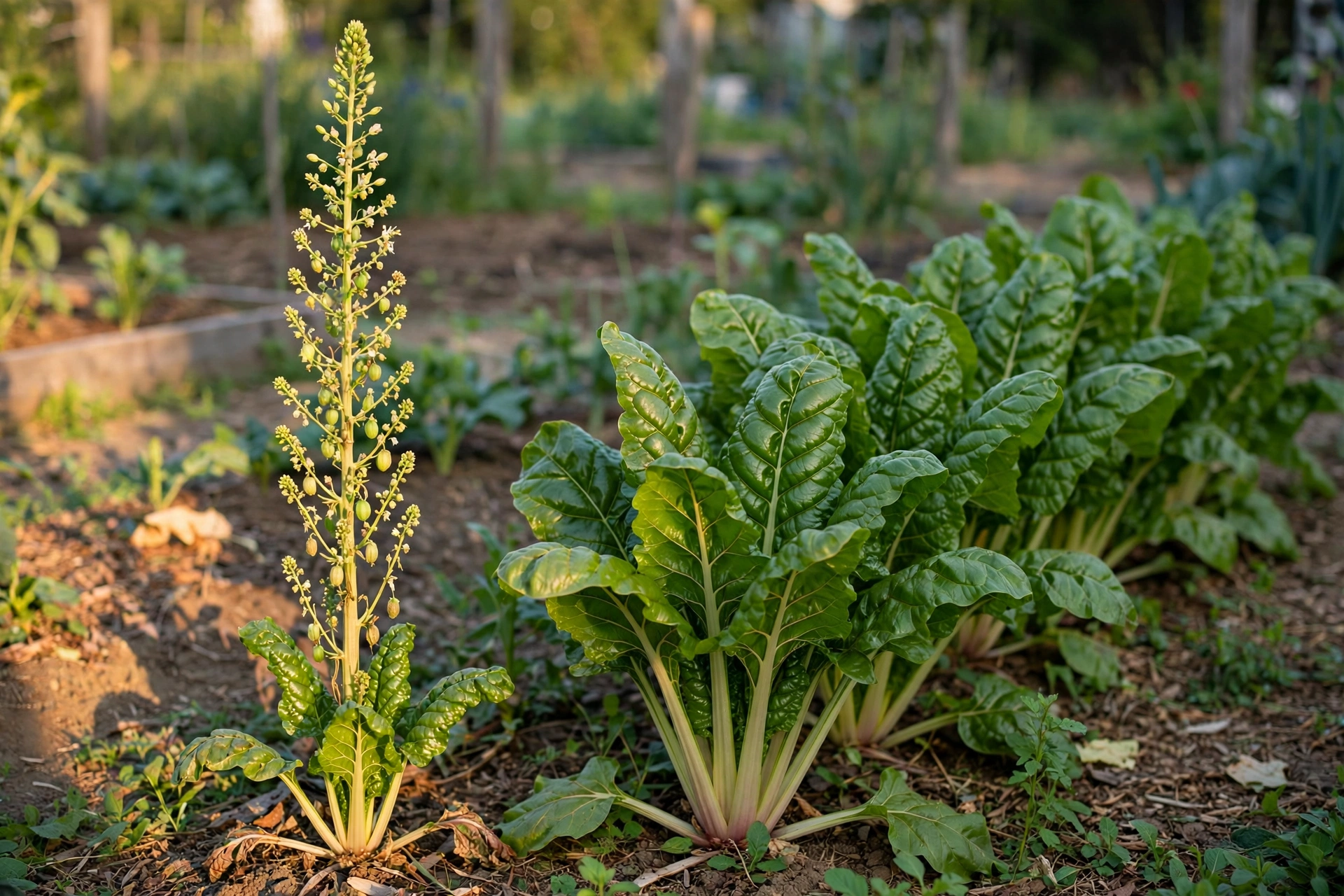
What Bolting Looks Like
A bolting chard plant stretches a thick central stem straight up from the crown, well above the leaf canopy, and that stem thickens and branches toward flowers while new leaf growth slows to a crawl. The leaves already on the plant turn tougher as the stem rises, because the plant has stopped spending its energy on leaves and started spending it on seed.
Why Chard Bolts: It Is a Biennial Keeping a Schedule
Chard is a biennial, which means its natural plan is leaves in year one and flowers in year two, after a period of cold tells it that winter has passed. An overwintered plant that bolts in spring is not misbehaving — it is finishing its life cycle on schedule, and the right response is to harvest what is left and sow fresh seed.
First-year bolting is the frustrating kind, and it has two usual triggers. Young plants that sit through a cold spell — transplants set out too early and caught by heavy freezes — can read that cold as winter and bolt when warm weather follows. Heat and drought stress can push plants the same way, which is why a neglected row in a dry July sometimes sends up stalks while the watered row beside it stays in leaf.
Why the Leaves Turn Bitter
Bitterness rides along with bolting, because once the plant shifts to seed production, the leaves toughen and their flavor sharpens. Leaves can also turn bitter without a stalk in sight: hot, dry weather stresses the plant, and old, oversized leaves left on the plant too long grow strong-flavored on their own. A bitter harvest is usually a stressed plant or an overdue picking, and both of those are fixable.
| Symptom | Likely cause | Fix |
|---|---|---|
| Tall central stalk in spring | Overwintered biennial finishing its cycle | Harvest what remains and sow fresh seed |
| Stalk on a young first-year plant | Cold spell on young transplants, read as winter | Protect young plants from heavy freezes; transplant on schedule |
| Stalk in midsummer | Heat and drought stress | Steady watering, mulch, and a slow-to-bolt variety |
| Bitter leaves, no stalk | Hot, dry weather or old oversized leaves | Water steadily; pick outer leaves younger and more often |
| Tough leaves after bolting starts | Energy shifted to seed production | Cut the stalk promptly; cook remaining leaves; resow |
The Fixes That Actually Work
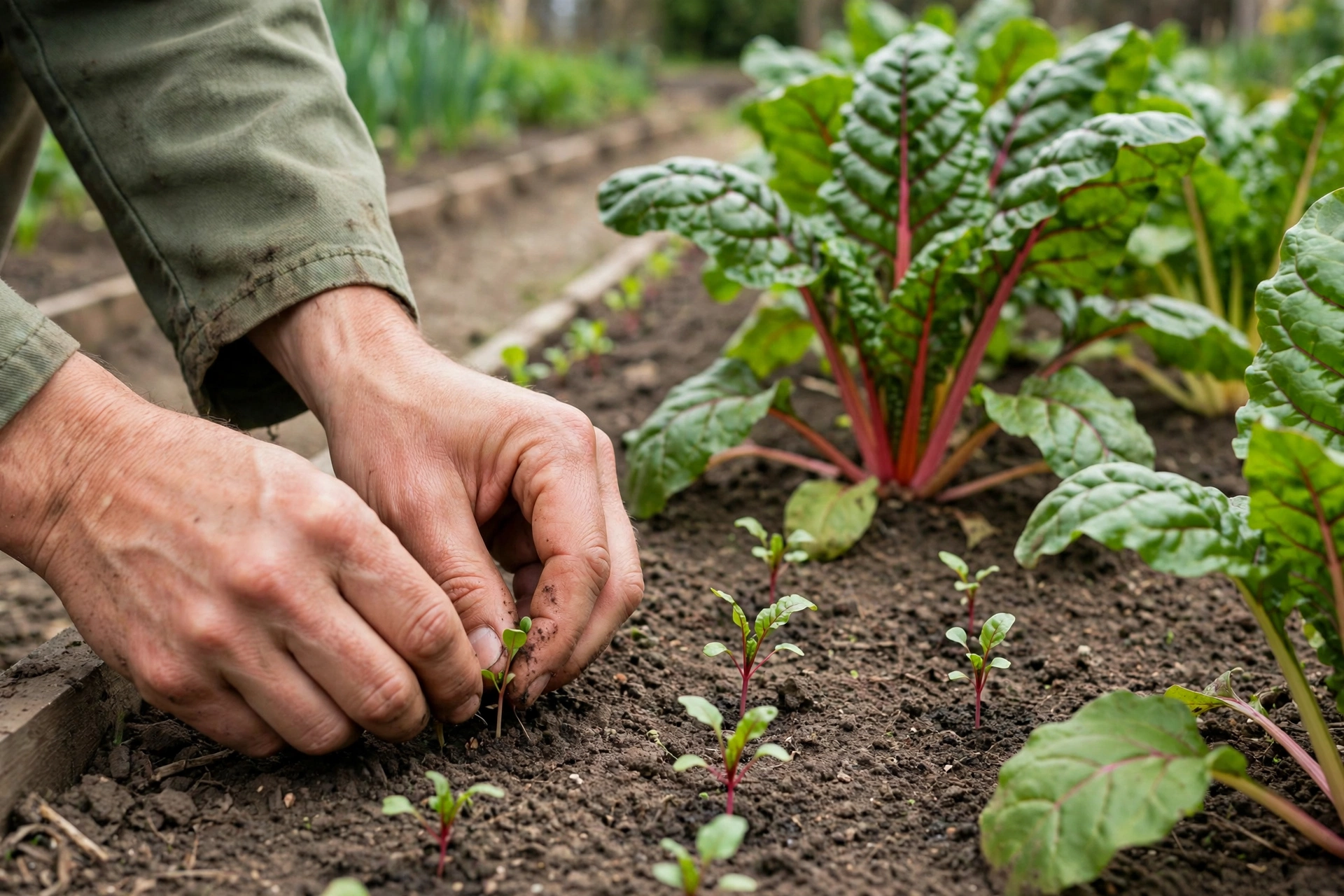
Protect young plants from hard cold. Set transplants out 2 to 4 weeks before your average last frost date, and cover them when a heavy freeze threatens, so a cold snap never gets to pose as winter. Direct-sown plants that come up in cool soil handle spring weather well; it is the chilled, moved transplant that bolts most readily.
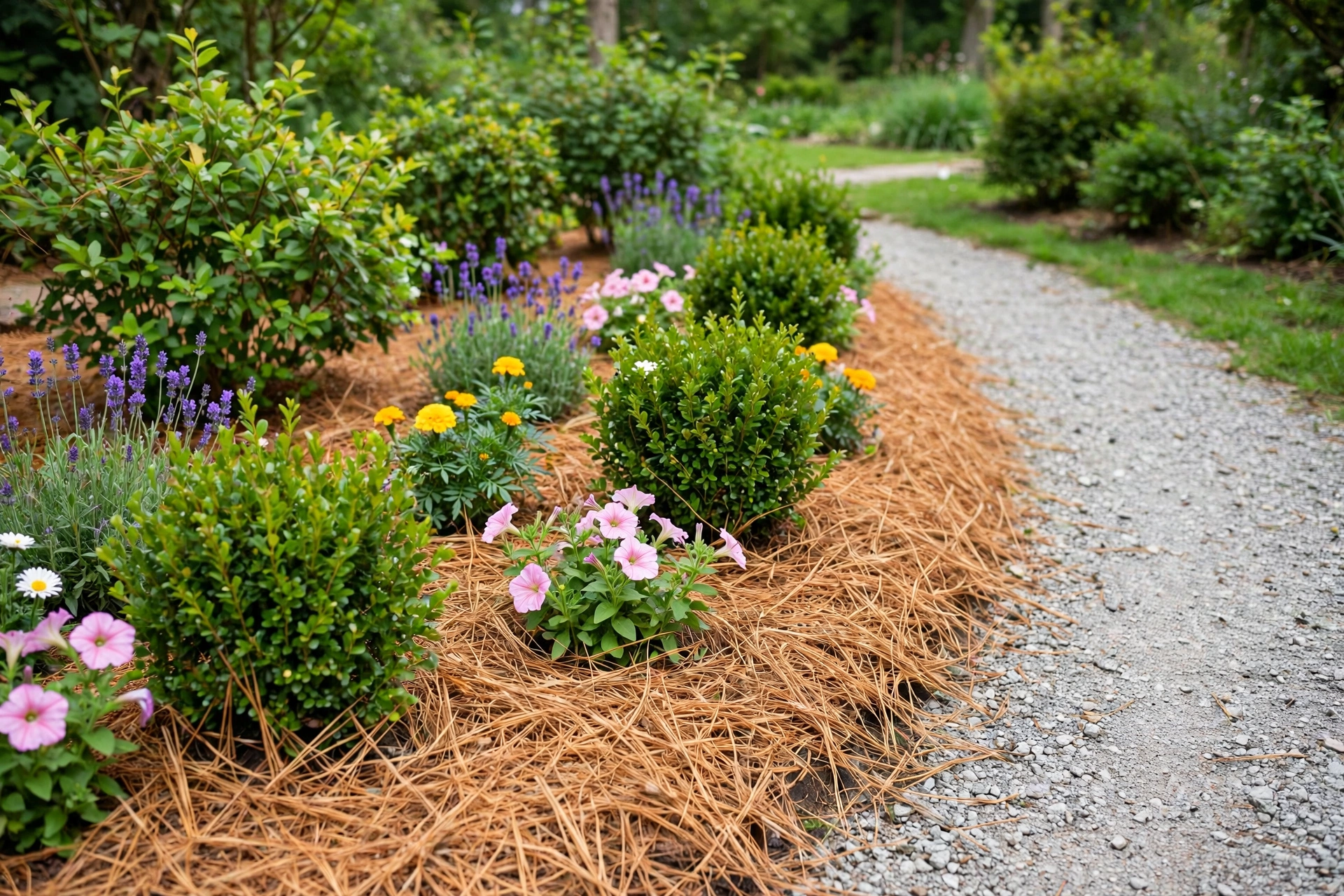
Keep the water steady in heat. Even moisture will not stop a second-year plant from bolting, but it removes the drought stress that pushes first-year plants over the edge, and it keeps leaf flavor mild while the weather is hot. Mulch helps hold that moisture between waterings, and on a still evening you can smell a watered chard row — green and faintly earthy — before you see it.
Pick younger, and pick the outside first. Take up to a third of the outer leaves at a time and leave the center growing, cutting baby leaves at 2 to 4 inches for salads. Leaves harvested young and often never get the weeks they need to turn strong, and regular picking keeps the plant in harvest mode longer.
Choose a variety that resists the trigger. Perpetual Spinach is slower to bolt in hot weather, which makes it the summer planting, and white-stemmed types like Fordhook Giant are generally more bolt tolerant than colored types. Matching the variety to the season does more than any rescue you can attempt after a stalk appears.
Perpetual Spinach Swiss Chard Seeds
A thin-ribbed Italian heirloom chard that is slower to bolt when the weather turns hot.
Fordhook Giant Swiss Chard Seeds
The white-stemmed workhorse — big crumpled leaves, 46 feet of row from one $2.99 packet.
Celebration Swiss Chard Seeds
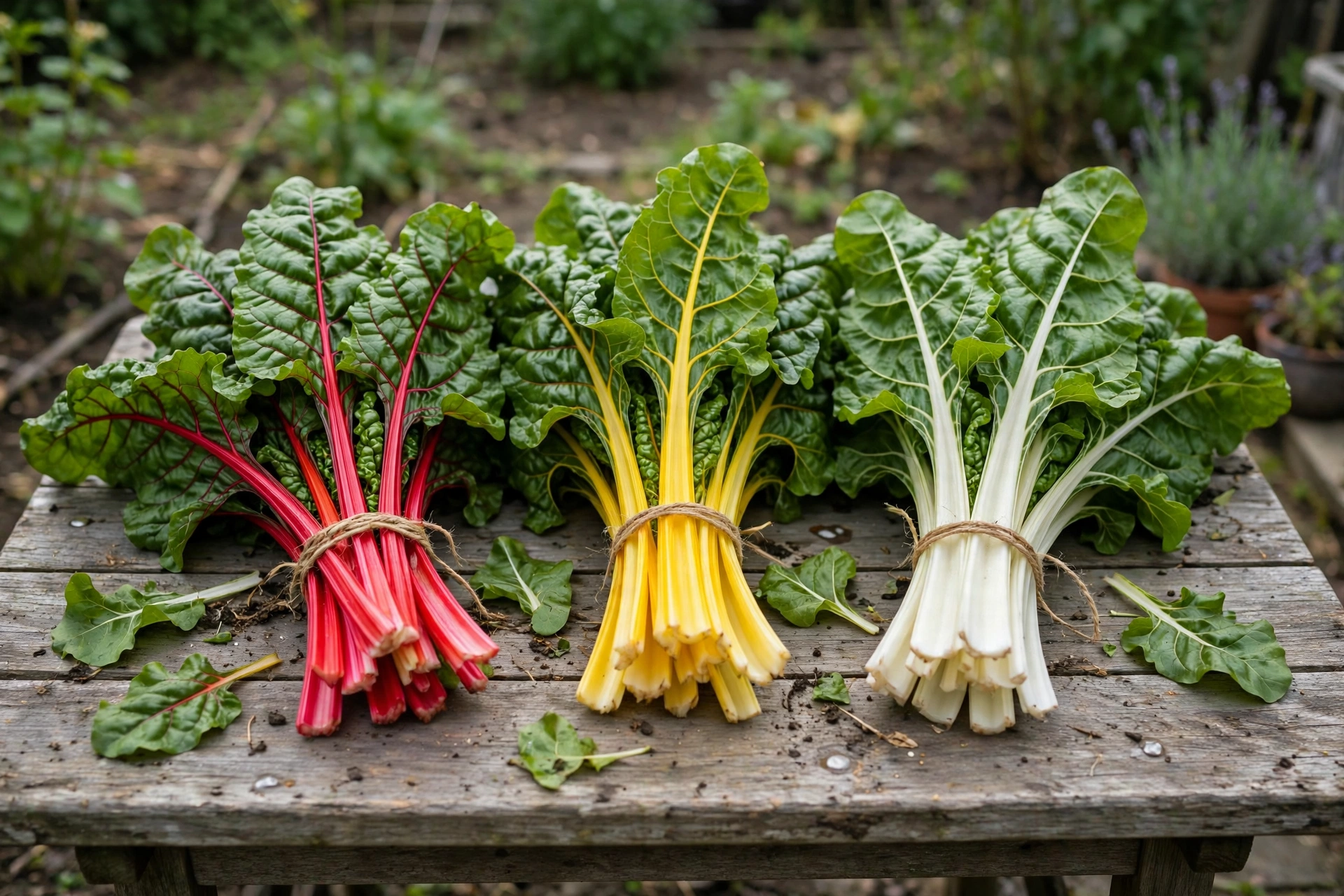
Red, magenta, orange, pink, yellow, and white stems under glossy leaves — color you can eat.
What to Do with a Plant That Has Already Bolted
Cut the flower stalk out promptly and you may buy the plant a little more leaf production, though quality declines once bolting begins and the leaves will not go back to their mildest selves. Cook the remaining leaves rather than eating them raw — heat softens the sharp edge — and pull the plant once the harvest stops being worth the picking.
Then resow, because chard forgives a lost plant quickly. Seed sown as late as 2 months before your first fall frost still makes a harvest, and a fresh row of Perpetual Spinach sown in midsummer will be cutting clean, mild leaves while the bolted spring plants are on the compost. That resowing habit, more than any single rescue, is what keeps chard on the table all season.