Landscape & Leisure is reader-supported. When you buy through links on our site, including Botanical Interests seed links, we may earn a commission at no extra cost to you. Prices change, so click through to confirm current pricing.
Here is the mistake: buying a packet labeled perennial, planting it in May, and spending the whole summer wondering why it never flowers. It was not a bad packet. It was a plant on a different schedule than the one you had in mind. Annuals and perennials are not two versions of the same thing. They are two different deals, and the deal you want depends on one question: do you want flowers this summer, or a garden that gets better every year?
Short answer: annuals for bouquets now, perennials for structure later, and a mix of both for a garden that actually works. The rest of this article is the reasoning, the numbers, and the four flowers that make the case. For the full cutting-flower lineup, see our roundup of the best cut flowers to grow from seed. For indoor-starting timing, see our guide to starting flowers indoors.
| Question | Annuals | Perennials |
|---|---|---|
| Flowers in year one? | Yes — the whole point | Often not; many spend year one on roots |
| Comes back next year? | No — dies with frost, resow or rely on reseeding | Yes — returns from the same roots, hardy to its zone |
| Bloom season | Summer to frost, all season long | A defined window — often a month or more, then done |
| Upfront effort | Low — direct-sow most of them | Higher — start 10 to 12 weeks early for first-year bloom |
| Best job in the garden | Cutting patch, color, filling gaps | Backbone, borders, pollinator habitat |
Annuals: All the Flowers, All Summer, One Season Only
An annual completes its whole life in one growing season. It germinates, grows, flowers, sets seed, and dies with the frost. That sounds like a bad deal until you realize what it buys you: a plant with nothing to save for next year, so it throws everything into flowers, right now, for months.
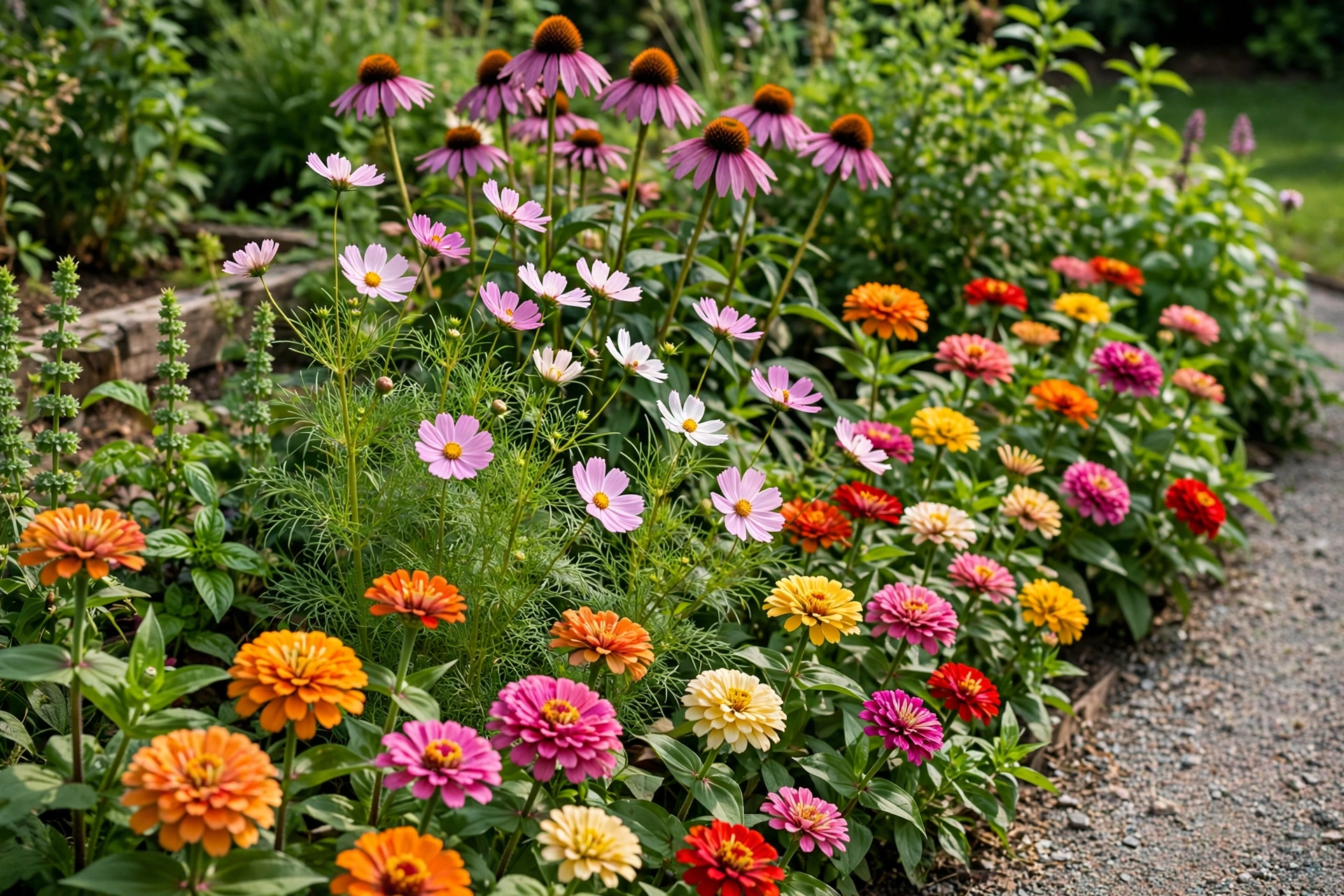
Zinnias are the textbook case. California Giants blooms from summer to frost, and the more you cut, the more it produces. Cosmos do the same — Diablo and Sensation Blend flower from midsummer to the first fall frost, in loads, on plants that ask for almost nothing. That is the annual bargain in one sentence: maximum flowers, minimum commitment, and a clean slate every spring.
The cost is exactly what you would expect. You start over every year. You buy seed every year. And if you want the same bed in the same place, you sow it again — unless the plant reseeds itself, which cosmos happily do, sometimes more happily than you planned. Annuals are also the honest choice for a first cutting patch, because a failed experiment costs one packet and one season, not a permanent hole in the border.
California Giants Blend Zinnia Seeds
The annual bargain at its best — 4″–6″ flowers, summer to frost, more blooms the more you cut.
Crackerjack African Marigold Seeds
Sturdy 4″ blooms on a plant that shrugs off deer, rabbits, and drought.
Perennials: Slower, Tougher, and Better Every Year
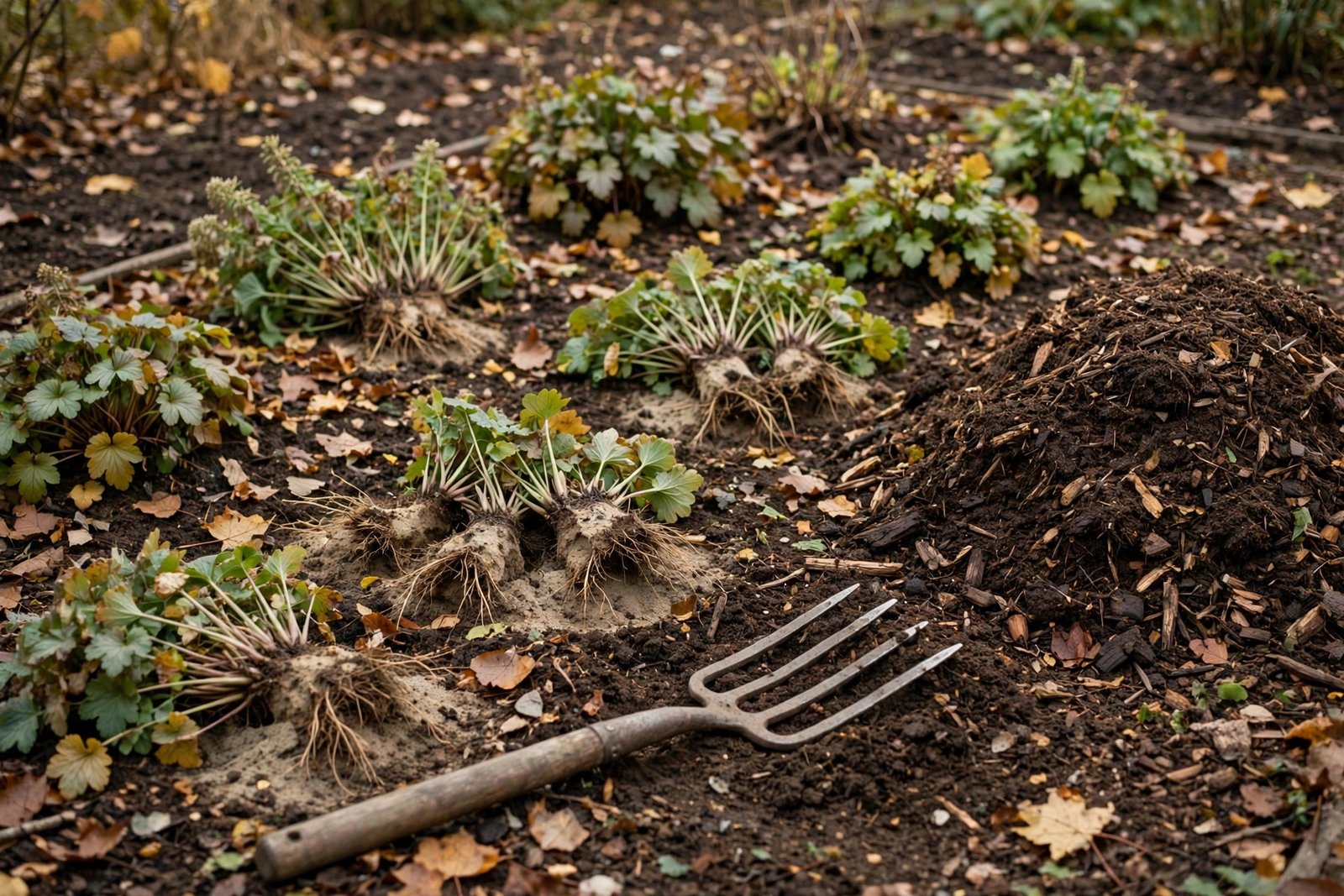
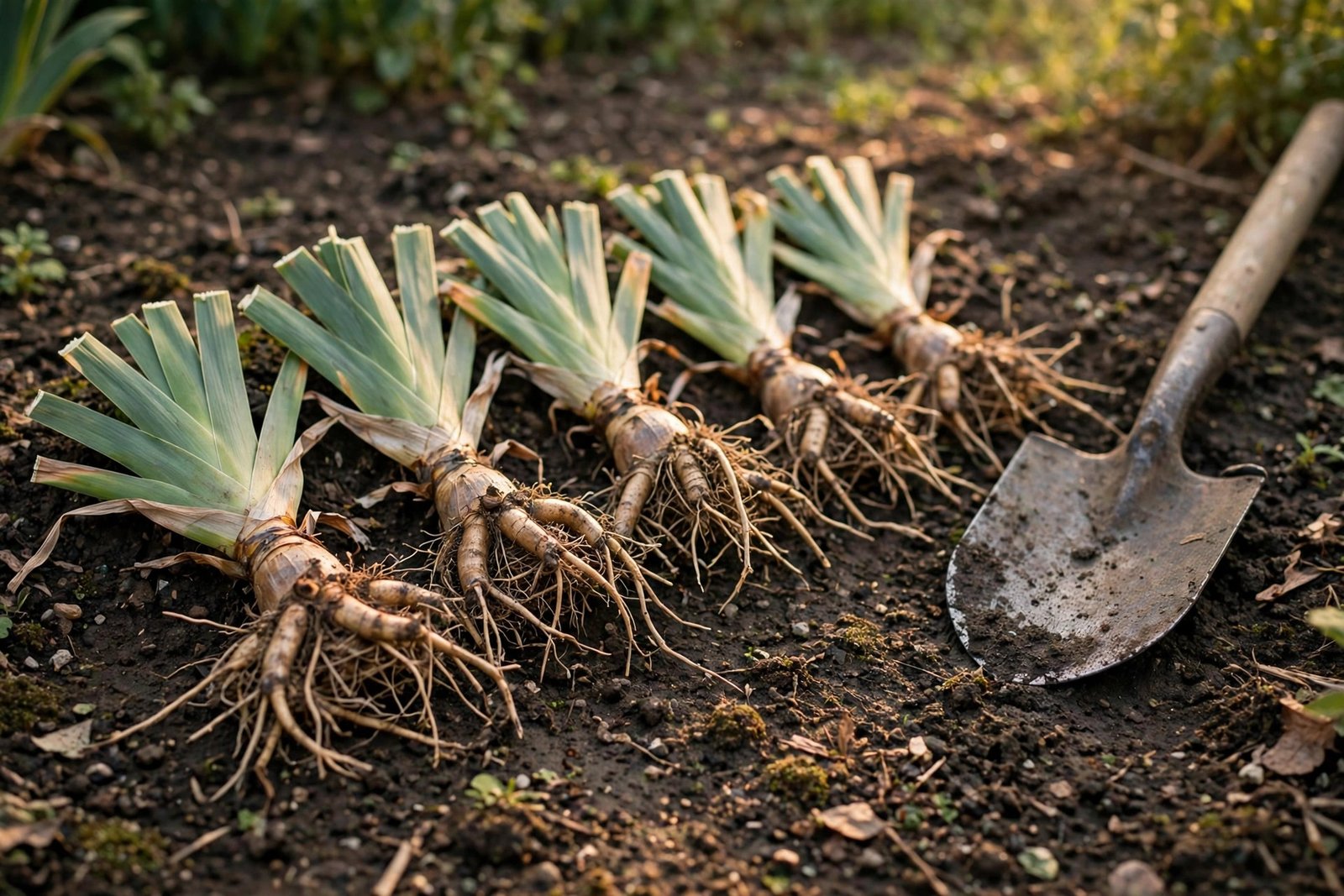
A perennial comes back from the same roots, year after year, as long as it is hardy in your zone. The trade is patience. Many perennials spend their first season building roots and barely flower at all. The payoff arrives in year two and keeps arriving, with a bigger plant and more flowers each year, for no additional seed money.
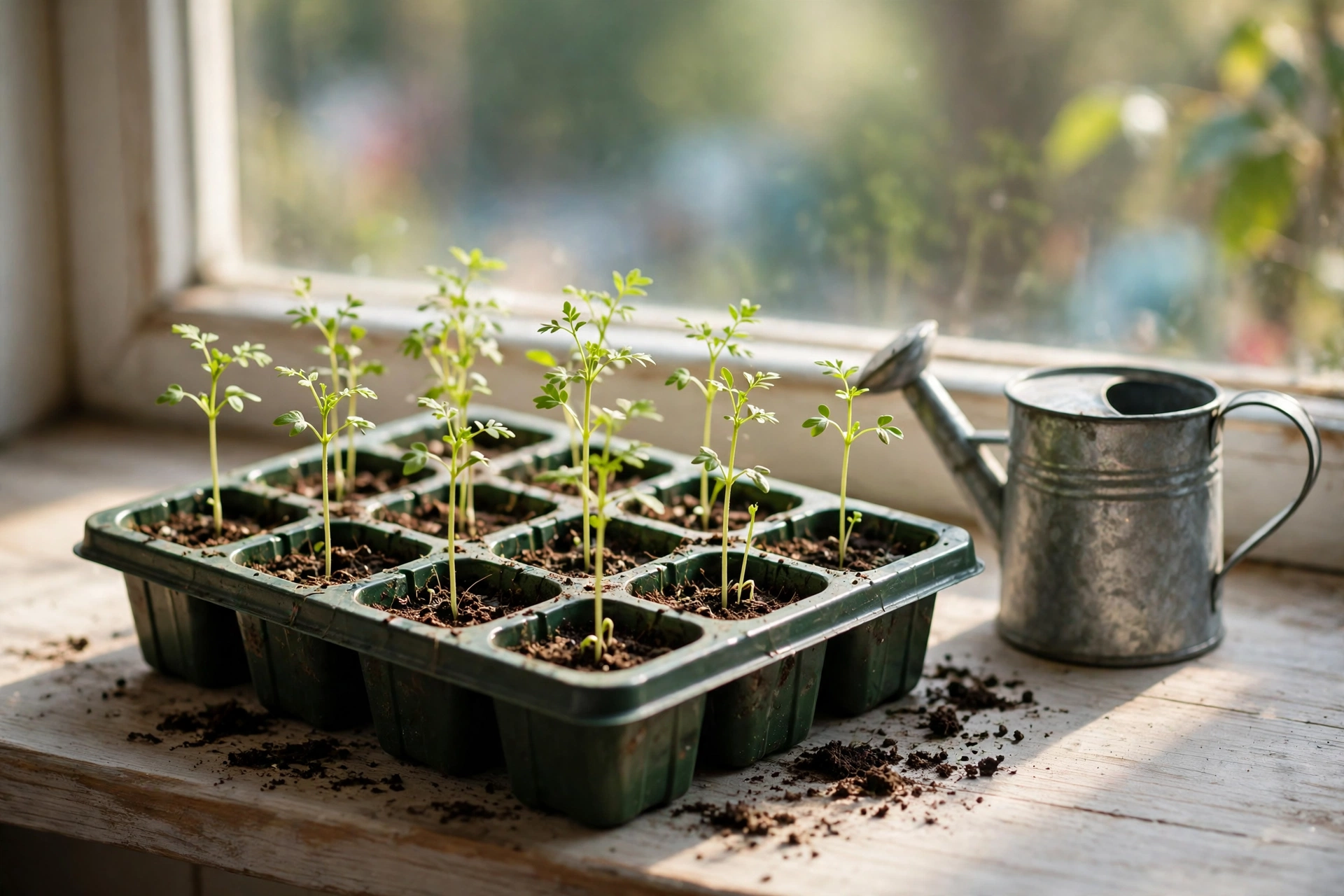
Purple coneflower is the honest example. It is a long-lived perennial, hardy in zones 3 through 8, that blooms for a month or more beginning in midsummer. Its flowers are 2- to 3-inch daisy-like blooms with drooping lavender petals around a dark cone, on tall stems — excellent for fresh cutting, and the seed-filled cones feed birds in fall and winter. But getting first-year bloom means starting indoors 10 to 12 weeks before your last frost. That is nearly three months of windowsill before the plant ever sees the garden. Direct-sow it 2 to 4 weeks before your last frost instead, and you will likely wait a year for flowers. Neither path is wrong. They are just different prices for the same plant.
Perennials also carry a risk annuals never do: winter. A perennial that is not hardy in your zone is an expensive annual. Check the zone rating before you buy, and believe it. Coneflower at zones 3 to 8 covers most of the country, which is part of why it is such a safe first perennial from seed.
Purple Coneflower Echinacea Seeds
A long-lived perennial, hardy zones 3–8 — a month or more of cutting, then seed cones for the birds.
The In-Between: Black-Eyed Susan, the Perennial That Acts Like an Annual
Some plants refuse to pick a side, and Black-Eyed Susan is the useful one. Botanical Interests calls it a short-lived perennial for USDA zones 3 to 7 that may come back for a second or third year but is often treated as an annual. Its 2- to 4-inch daisy-like flowers bloom for at least 8 weeks, the winter seed cones feed birds, and it may reseed itself into the bargain.
That is the best of both deals, with one catch: do not count on it returning. Treat Black-Eyed Susan as an annual that might surprise you, not a perennial you can plan a border around. If it comes back, that is a bonus. If it does not, you still got 8-plus weeks of cut flowers for a couple of dollars, which is a bargain by any measure.
Black-Eyed Susan Seeds
At least 8 weeks of daisy-like blooms — a short-lived perennial that performs like an annual.
The Verdict: Plant Both, in the Right Places
Do not choose a side. Choose a layout. Put perennials at the back and the edges, where they build structure year after year — coneflower, Black-Eyed Susan, and whatever else suits your zone. Put annuals in front and in the cutting patch, where you want maximum flowers and do not mind replanting. The annuals carry the first summer while the perennials get established. By year two, the perennials are doing real work, and the annuals are still doing the job nothing else does: filling a jar, week after week, from a packet that cost less than lunch.
The mistake is not planting annuals or planting perennials. The mistake is expecting one to do the other’s job — waiting all summer for a first-year perennial to flower like a zinnia, or mourning an annual in October as if it had broken a promise. Know the deal, plant accordingly, and you get both: flowers now, and a garden that comes back.