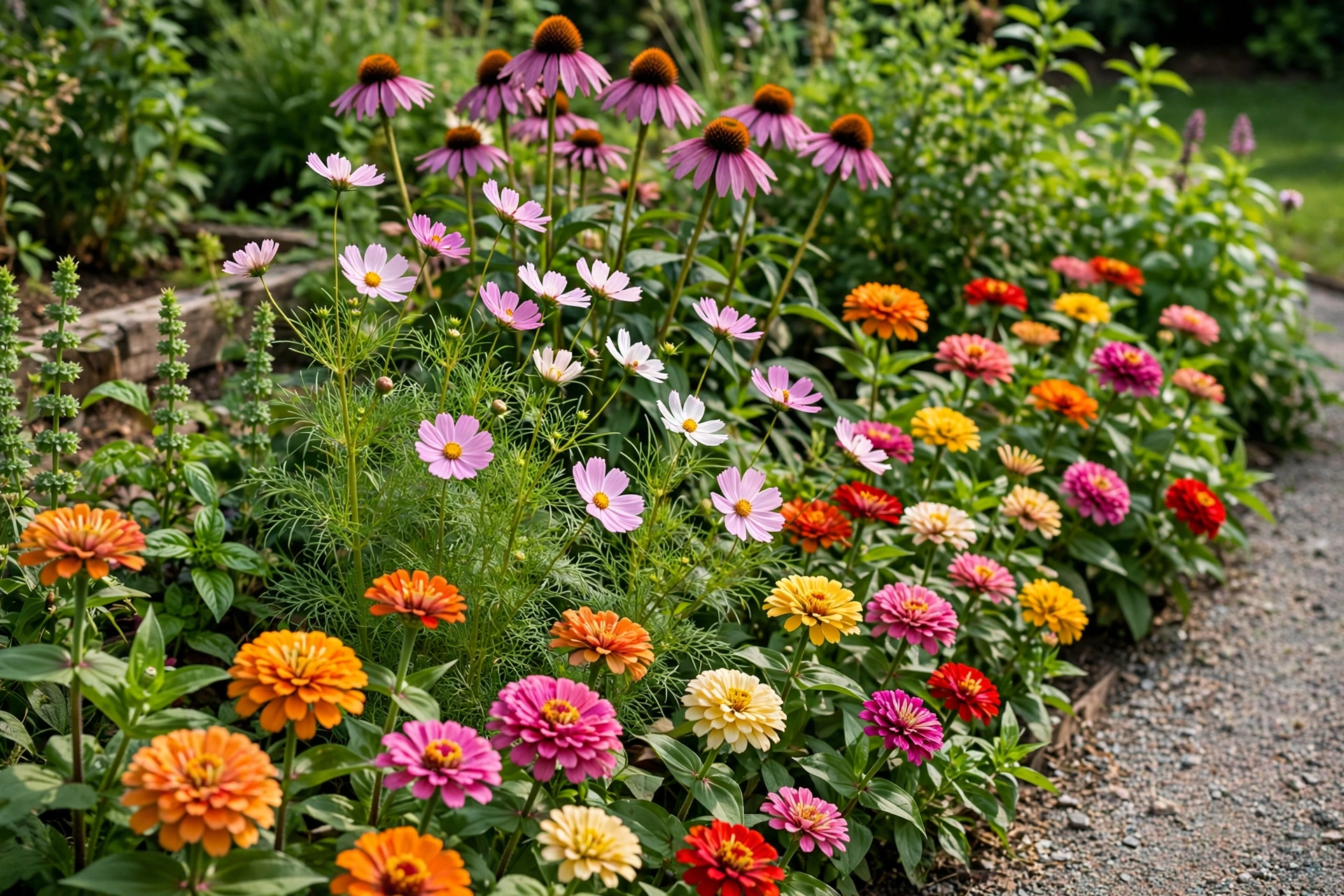
October is the most forgiving month in the perennial bed. The air is cool, the soil is still warm, and the plants have stopped pouring energy into flowers and started putting it into roots. It is also the month when a well-meant afternoon of dividing can go quietly wrong, because not every perennial wants to be moved now.
The rule that sorts the whole bed is one sentence long: divide spring and summer bloomers in fall, and divide fall bloomers in spring. Everything else is a footnote to that rule, and the footnotes are where the good gardening lives.
Why Fall Division Works, When It Works
Fall division works because the plant’s priorities have flipped. With flowering done, energy goes to root growth, and cool air means less water loss from leaves while the division re-establishes. University of Vermont Extension notes that dividing in fall or early spring keeps overcrowded perennials healthy, improves flowering, and gives you more plants for the beds that need them.
The catch is the clock. Epic Gardening’s fall-division guidance puts the requirement plainly: divide at least four to six weeks before the anticipated first frost, especially in cold climates, so roots can develop and settle before the soil freezes. In Minnesota and the upper Midwest, that window is mostly September into mid-October. A first light frost does not end the season, but frozen soil does, and a division planted a week before the ground freezes has no time to anchor itself.
Before you dig anything, run the four checks: the plant belongs on the fall list below, you have four to six weeks before the ground freezes, the soil is workable rather than waterlogged or frozen, and you can replant and water the same day. If any of those fails, the kindest thing you can do for the plant is wait for spring.
Split Now: The Fall List
These perennials are at their best divided in early fall, after flowering, while the soil is still warm. Hostas lead the list: divide them in September or early October, with at least three growing points, or eyes, per division, and they settle in before winter with very little fuss. Daylilies follow the same pattern, best split in early fall after bloom, with two to four fans per division.
Peonies are the fall-only case: September to early October, with eyes planted no more than 2 inches deep, is the one window they truly prefer, and spring division can delay blooms for years. Garden phlox, Shasta daisies, and coreopsis all divide well in fall, as do Siberian iris and yarrow. Coneflowers can be divided in fall in milder climates, but in cold zones spring is the safer call, when you can see the new growth and the division has the whole season ahead of it.
Bearded iris belong on a slightly different clock: they are divided in midsummer, four to six weeks after flowering, and the job should be finished before October. If your iris are still undivided now, read our bearded iris dividing guide before you dig, because iris rhizomes are planted shallow in a way crown-divided perennials are not.
Leave Alone Until Spring: The Wait List
Fall bloomers stay put. Hardy mums are in full flower right now, and dividing them in fall costs you the bloom and the energy reserves they need for winter. Spring, when their energy turns back to growth, is their dividing season.
Ornamental grasses are the other big wait. In cold climates, divide them in spring as the new shoots emerge, when you can see the living crown and the plant has months of warmth ahead. Our guide to dividing ornamental grasses covers the technique, and the spring timing is part of why it works.
Astilbe sits in the cautious middle. Some gardeners divide it successfully in fall, but its shallow, moisture-sensitive roots are prone to winter drying if disturbed late, and several extension sources recommend spring division as the shoots emerge. If your astilbe is crowded and you are in a mild climate with weeks of warm soil left, fall can work. In a cold climate, or if the clump is only mildly crowded, spring is the lower-risk choice.
Two more plants should never be divided on a fall impulse. Bleeding heart goes fully dormant by midsummer, so by fall there is nothing visible to guide your cuts; wait until the spring noses appear. And lupine, with its long taproot, does not divide well at any season. Grow it from seed or take basal cuttings instead, and leave the root alone.
How to Divide in Fall, Step by Step
Step 1: Pick an overcast, mild day. A cloudy day, or work in the early morning or evening, reduces water loss from a division that has just lost part of its root system. Water the bed well the day before so the soil lifts easily.
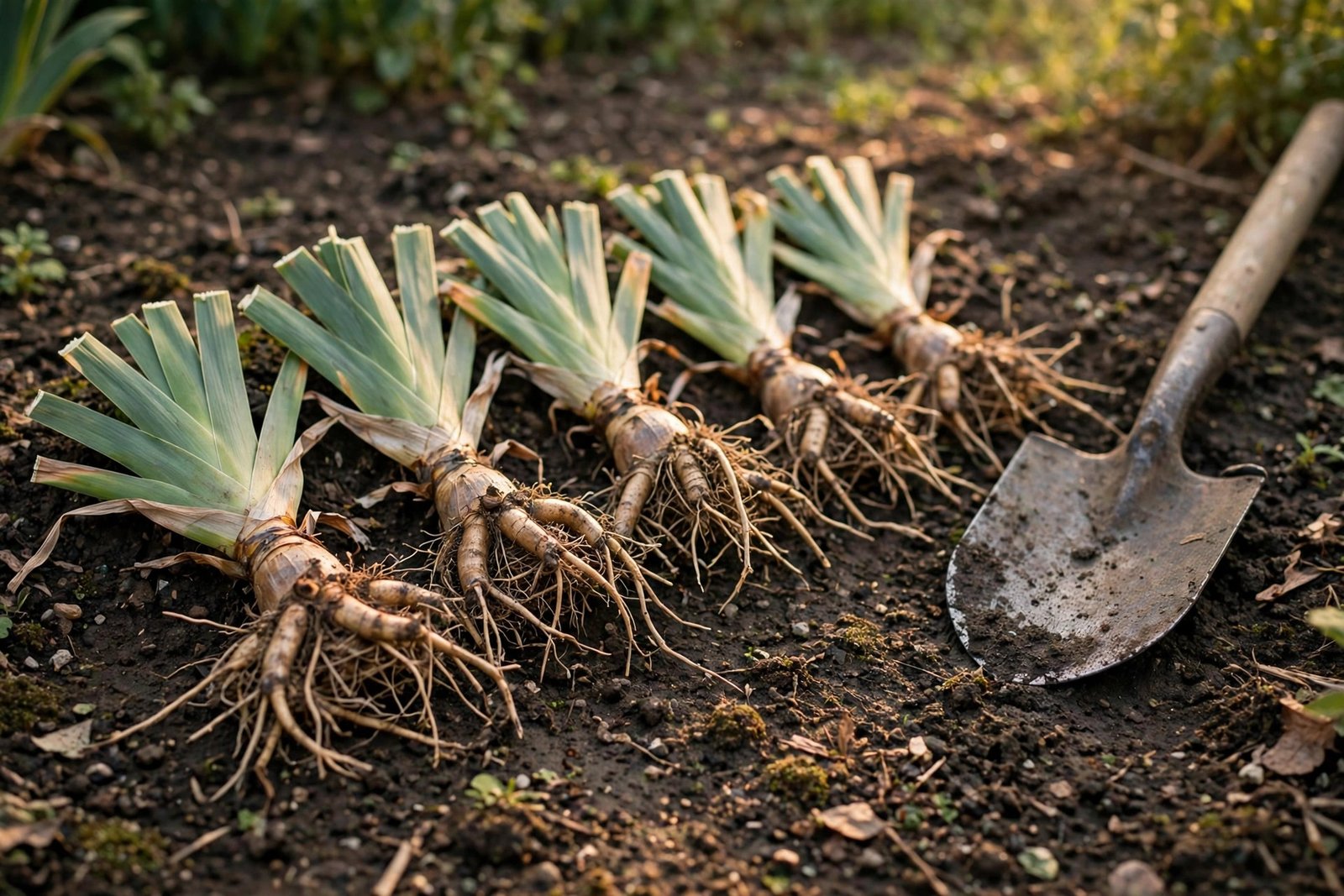
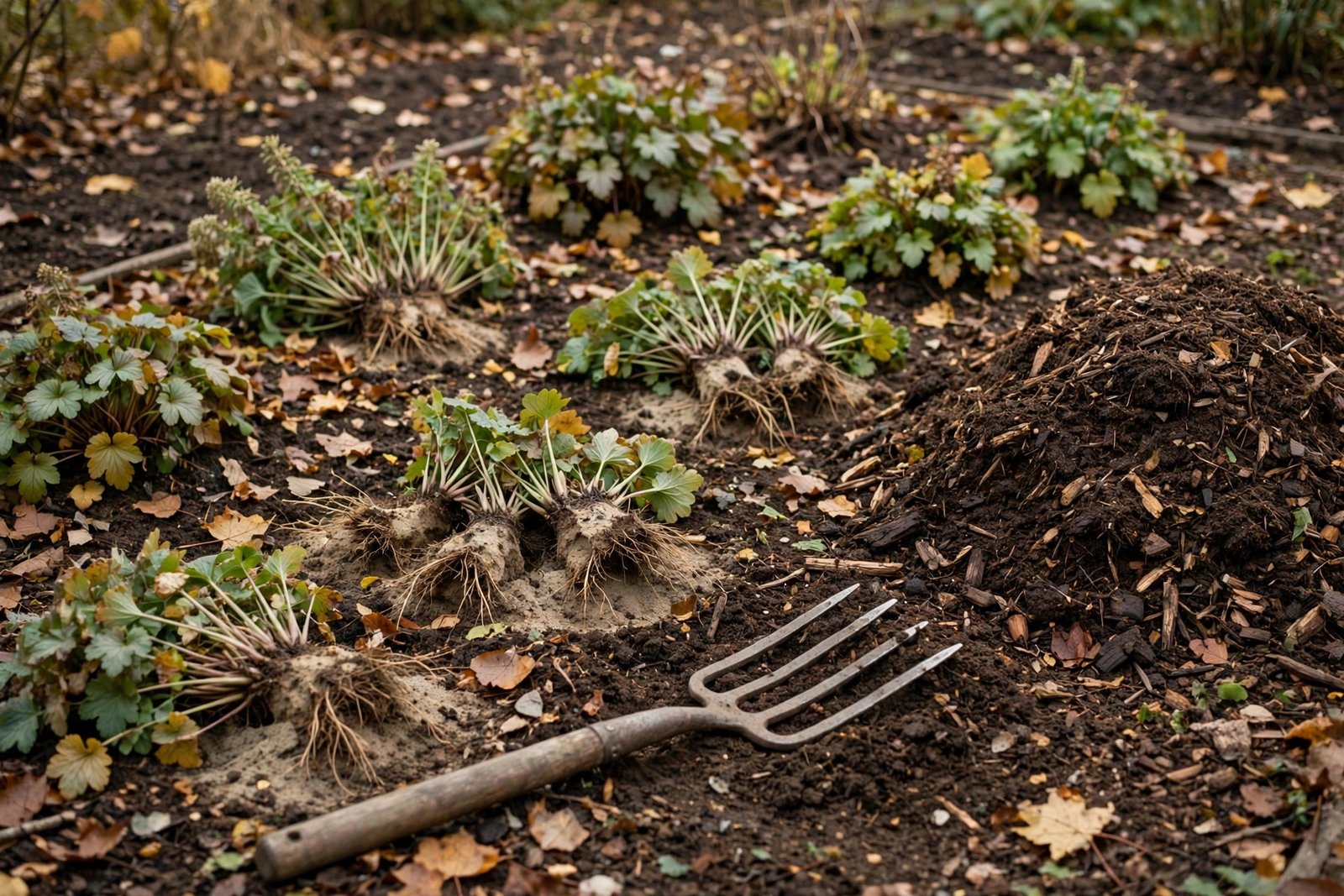
Step 2: Lift the whole clump. Use a spading fork to lift the clump intact, working around the drip line rather than stabbing through the middle. Shake off the loose soil so you can see the crown, the eyes, and any dead or woody center that should be discarded. The best tools for dividing perennials guide covers which fork and knife suit which root type.
Step 3: Cut generous divisions. Each division needs healthy roots and several growing points. Small, single-eye pieces take years to amount to anything, so be generous: a palm-sized piece with three to five eyes will outperform a sliver every time. Discard the woody center of an old clump and keep the vigorous outer growth.
Step 4: Replant at the same depth. Set each division at the depth it grew before, neither sunk lower nor perched higher. Firm the soil around it, water deeply to eliminate air pockets, and mulch after the soil settles. Our guide to soil and mulch after dividing covers what to put back in the hole and what to keep off the crown.
Step 5: Water through the dry spells. Fall rains do much of the work, but a dry October is common, and a new division cannot call on a deep root system yet. Water during dry weather until the ground freezes, and check that the mulch has not washed onto the crowns after heavy rain.
What to Watch Next
A successful fall division looks boring above ground and busy below it. The foliage may flag for a week, then settle. The real test comes in spring: new shoots on schedule, in the places you planted them, at the depth you set them. If a division heaves out of the ground over winter, press it back in during the first thaw and add mulch once the soil has settled.
The one mistake that undoes fall dividing is not the dividing itself. It is dividing a plant that did not need it, in a week that did not leave it time to root. A healthy plant that fits its space and is not asking to be multiplied is a plant best left undisturbed, whatever the calendar says. The bed will still be there in spring, and so will the shovel.
If you have heuchera on the list too, it divides on the same fall schedule as the plants above, with the same four-to-six-week rule. And if the dividing bug has truly bitten, our guide to splitting and gifting perennials covers how to share the extras without handing a friend a problem.