Landscape & Leisure is reader-supported. When you buy through links on our site, including Botanical Interests seed links, we may earn a commission at no extra cost to you. Prices change, so click through to confirm current pricing.
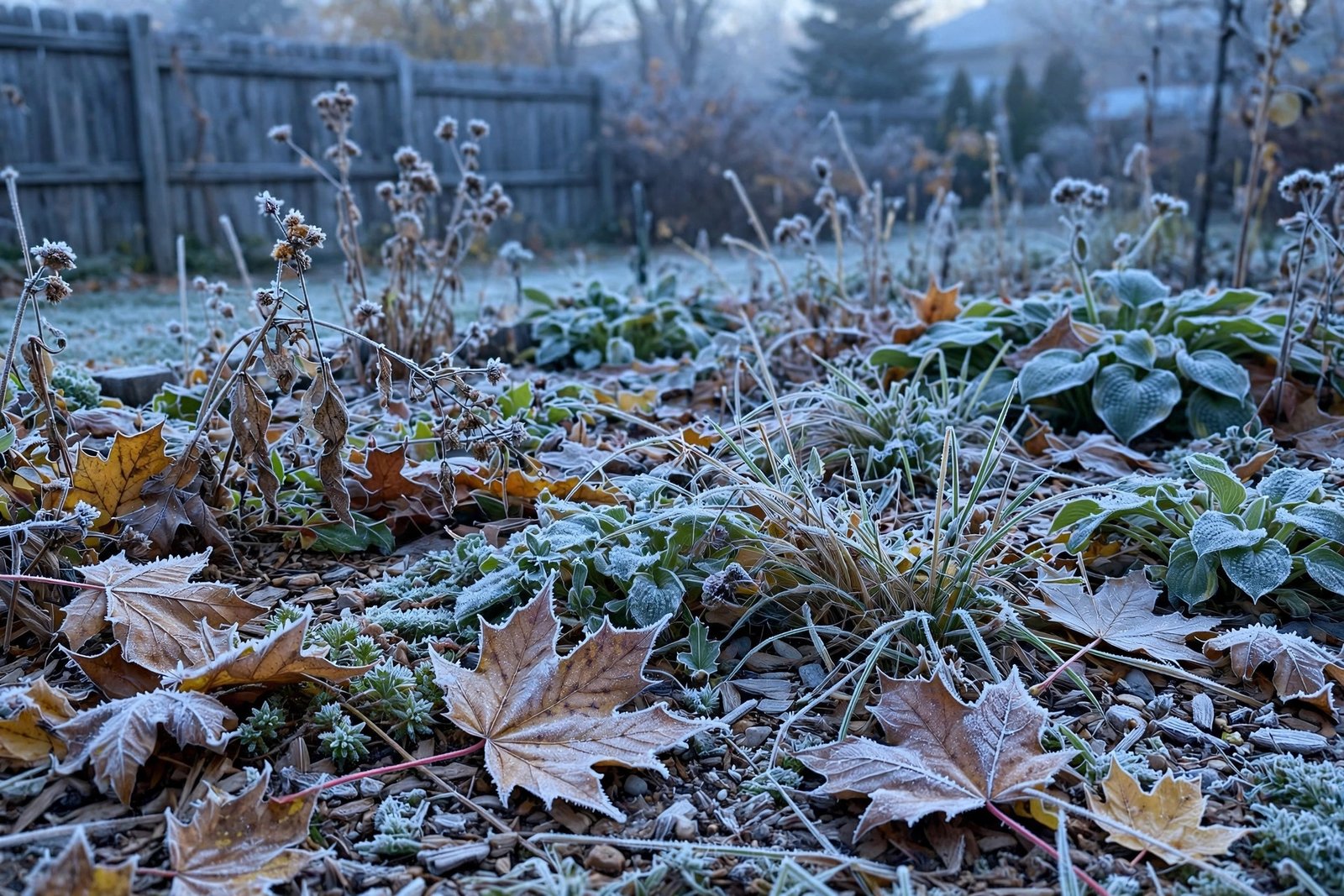
March in Minnesota is a trickster. The sun comes back, the snow pulls away from the south side of the house, and every seed catalog in the drawer starts looking like a promise. Your garden is not ready yet. Your windowsill, though, is about to earn its keep.
Spring here does not arrive on one date. It arrives in three acts, and the month-by-month rhythm below follows University of Minnesota Extension’s statewide planting schedule, reviewed in 2026. For the full picture across all 25 common vegetables, see our Minnesota planting calendar. For how the dates shift by zone, see when to start seeds indoors in Minnesota and Minnesota frost dates by zone.
| Month | Start indoors | Plant outdoors | Wait on |
|---|---|---|---|
| March | Broccoli, cabbage, cauliflower (early March); peppers and eggplant (mid-March) | Nothing yet — soil is still cold | Tomatoes (early April) and everything warm-season |
| April | Tomatoes (early April); late cabbage (mid-April) | Peas, spinach, lettuce, and radish once soil is 40–50°F; broccoli and cabbage transplants mid-April | Peppers, tomatoes, and squash until after last frost |
| May | Sweet potatoes (mid-April roots, set out in June) | Beans, squash, cucumbers, and tomatoes after last frost; peppers and eggplant in early June | Rushing peppers into cool soil — warmth matters more than an early start |
March: the windowsill month
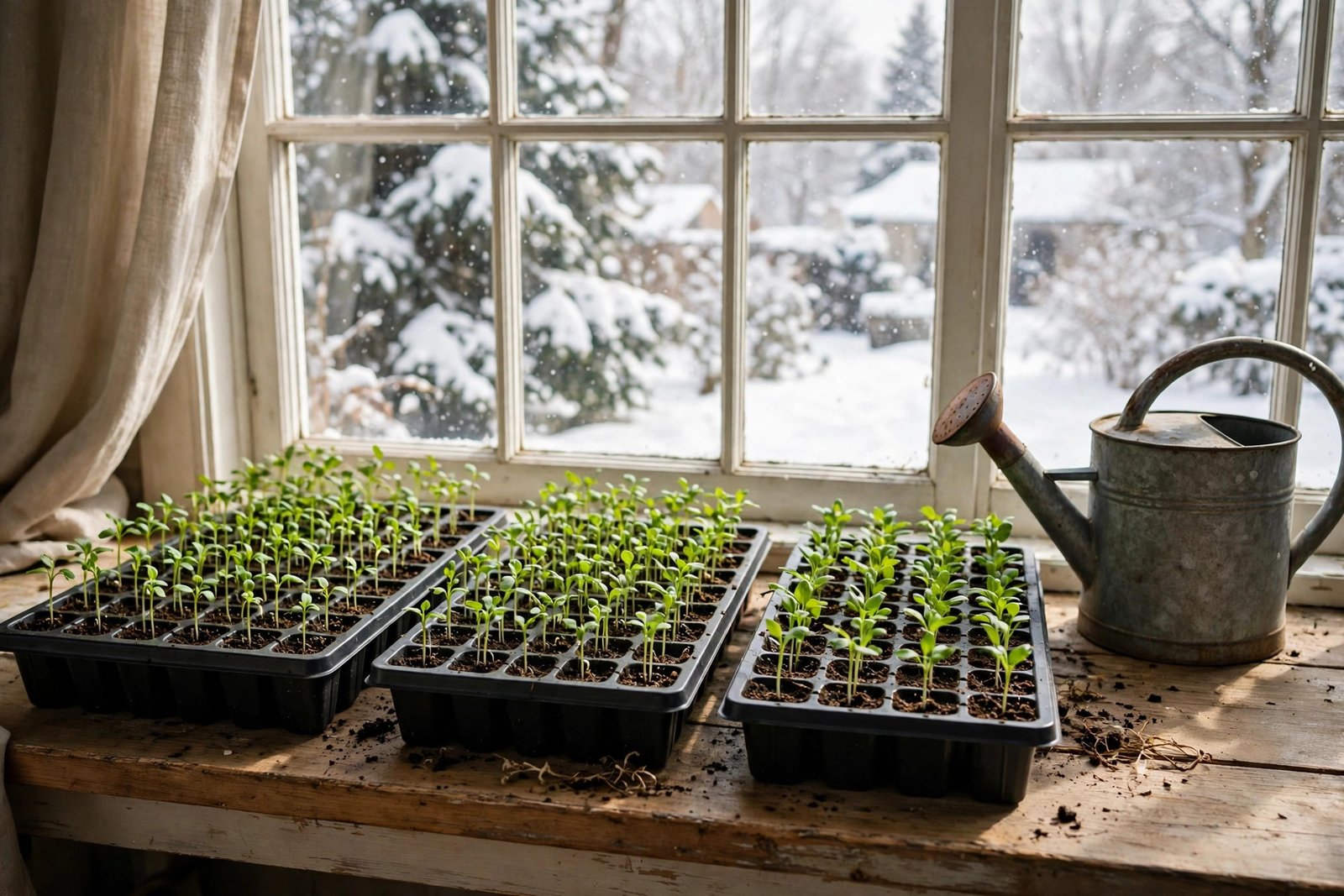
March is for starting, not for planting out. Extension puts broccoli, Brussels sprouts, early cabbage, cauliflower, and head lettuce indoors in early March, and peppers and eggplant in mid-March. Onion transplants go earlier still, in early February, so if March finds you without onions started, buy sets or transplants instead of mourning the ones you never sowed.
Broccoli is the March crop that rewards you soonest. It goes out as a transplant in mid-April, heads up in June and July, and a second early-June planting can give you autumn heads too. Waltham 29 takes 75 days to maturity, which leaves plenty of room in even the shortest Minnesota season.
Waltham 29 Broccoli Seeds
Start indoors in early March, transplant in mid-April, harvest in 75 days.
Peppers are the March start that tests your patience. They need warmth to germinate and warmth to grow, and they will sit and sulk in a cool windowsill. Give them the warmest spot you have, and do not let an early start fool you into an early transplant. Peppers started in mid-March still wait until early June to go outside.
California Wonder is the classic blocky bell: about 4 inches long, thick-walled, green when young and sweeter and milder as it turns red. It takes 75 days from transplanting, so in the north it needs every bit of that indoor head start.
California Wonder Sweet Pepper Seeds
A thick-walled bell, 75 days from transplanting — start warm, transplant late.
April: the cool-season garden opens
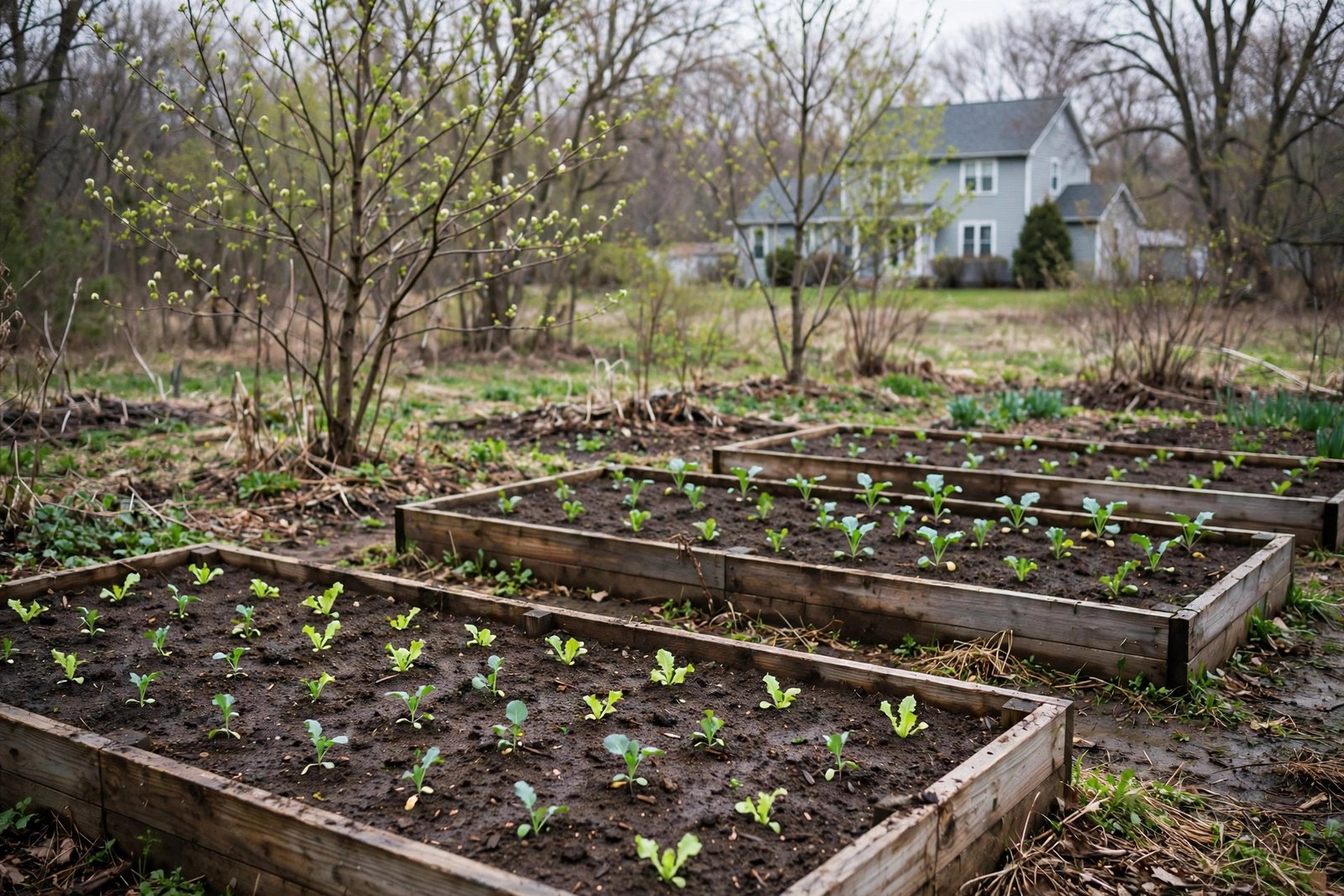
April is when the garden itself wakes up, but only for the crops that like it cool. Extension’s rule is soil temperature, measured with a thermometer: direct-seed peas, spinach, lettuce, and radish when the soil is 40–50°F. A warm week in April does not mean the soil has caught up, and the thermometer settles arguments the calendar cannot.
Peas go in from mid-April to early May, and they do not transplant well, so sow them where they will grow. Sugar Snap takes 70 days; Oregon Sugar Pod II, the snow pea, takes 60. Give them something to climb, and pick often — peas that sit on the vine turn starchy while you are deciding.
Sugar Snap Snap Pea Seeds
Direct-sow in mid-April to early May, 70 days to sweet, crisp pods.
While peas are going in outside, tomatoes are starting inside. Extension starts tomatoes in early April, which is later than many gardeners expect and exactly right: a tomato started too early becomes a leggy, pot-bound plant begging for a garden that is still frozen. If your seedlings do stretch, our guide to why seedlings go leggy covers the fix. For tomato timing in detail, see when to start tomato seeds indoors in Zone 4.
Glacier is the tomato that makes Minnesota sense. At 55 days from transplanting, it is the earliest variety in the calendar, and in the north it is the one to plant first. Longer-season types like Cherokee Purple, at 80 days, are a fine gamble in the south and a real risk around Duluth.
Glacier Bush Tomato Seeds
Just 55 days from transplanting — the earliest tomato in the Minnesota calendar.
April also brings the first transplants outdoors: broccoli, Brussels sprouts, cauliflower, and early cabbage in mid-April, plus onion sets and transplants, parsley, and spinach. Carrots and beets go in from mid-April too, direct-sown, because neither tolerates transplanting. Radishes, at 24 days, are the fastest reward in the whole spring garden.
May: warm-season crops, on frost’s schedule, not yours
May is the month Minnesota gardeners argue with. The last frost arrives April 23 around Minneapolis–St. Paul, May 7 around St. Cloud, and May 13 around Duluth, at the 50% probability level — and those are coin-flip dates, not guarantees. Planting warm-season crops before your date is a bet, and the house usually wins.
Once the date passes, May moves fast. Beans, squash, cucumbers, and tomatoes go out in mid-May in the south, a couple of weeks later in the center, and about three weeks later in the north. Warm-season crops want soil at 50–60°F, and tomatoes and peppers do best with still warmer soil and no frost risk. Harden off every transplant before it goes out — our guide to hardening off seedlings walks through the steps.
Peppers and eggplant wait longest, until early June in the south and mid-June farther north. That wait is the whole secret with peppers: they are heat-hungry, they need warm soil, and an early transplant that shivers for two weeks will be outgrown by a later one planted into warmth. Patience here is not caution. It is speed, just delayed.
May is also succession season. Leaf lettuce, radishes, and kohlrabi planted in mid-April can go in again in August for a fall harvest, and snap beans sow from mid-May into early July. The garden that looks finished in May is only getting started.
Bottom line
March starts the season indoors, April opens the cool-season garden, and May belongs to frost dates and soil temperature. Follow that order and the garden mostly takes care of itself. Fight it — tomatoes out in April, peppers in cold soil — and spring will teach the same lesson it teaches every year, patiently and without mercy.
Check your exact zone on the USDA Plant Hardiness Zone Map, then plan from your frost dates rather than a national calendar. The full month-by-month windows for every crop are in the Minnesota planting calendar.