Landscape & Leisure is reader-supported. When you buy through links on our site, including Botanical Interests seed links, we may earn a commission at no extra cost to you. Prices change, so click through to confirm current pricing.
Tomatoes are the crop Minnesota gardeners most often start at the wrong time — usually too early, occasionally too late, and almost always by guessing. The fix is arithmetic, not intuition: take your average last frost date, count back 6 to 8 weeks, and that is your sowing date. For zone 4, that math lands in early April, and getting it right is worth more than any gadget in the seed-starting aisle. This guide gives you the zone 4 dates, the reasoning behind them, and the varieties that actually finish in a short season.
The Zone 4 Tomato Calendar
University of Minnesota Extension’s planting guide puts tomatoes in early April — later than peppers, which start in mid-March, because tomatoes grow faster indoors and suffer more from being held too long in small pots. For much of Minnesota, the average last frost date is around May 10, earlier in the south of the state and later in the north. Counting back 6 to 8 weeks from a May 10 last frost gives a sowing window of roughly March 16 to March 30 — but the practical zone 4 window, the one that accounts for tomatoes’ fast indoor growth and the risk of leggy, root-bound plants, is early April: sow in the first two weeks of April, transplant in late May to early June.
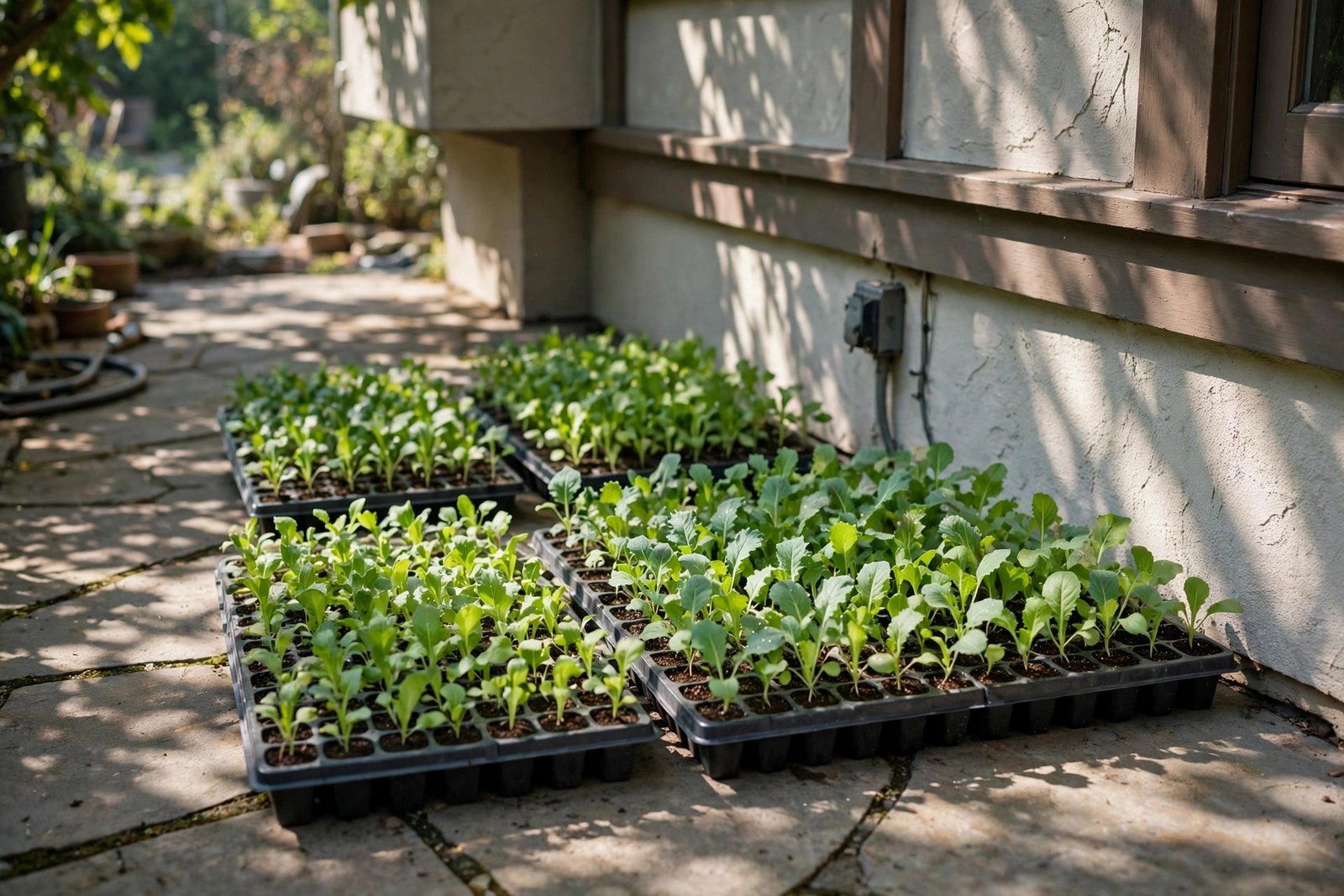
Transplanting is not tied to the last frost date directly. Tomatoes go out when the soil is warm and nights stay above 50°F — for most of zone 4, that means late May into early June, a full two to four weeks after the last frost. Planting a tomato into cold May soil does not buy earliness; it buys a stalled plant that a later-planted seedling will overtake within weeks. Our hardening-off guide covers the 7- to 10-day transition that should precede that transplant date.
| Zone 4 Milestone | Typical Date | Notes |
|---|---|---|
| Sow seeds indoors | Early April | 6–8 weeks before transplanting |
| Germination | 5–10 days after sowing | Soil 70°–85°F; faster than peppers |
| Average last frost | ~May 10 (Minnesota) | Reference date — not a tomato planting date |
| Harden off | 7–10 days before transplanting | Gradual sun and wind exposure |
| Transplant outdoors | Late May to early June | Nights above 50°F, soil warm |
| First ripe fruit (early varieties) | Mid- to late July | 55–70 days from transplanting |
Zone 4a vs. 4b: Does the Subzone Change the Date?
Not much. Zone 4a (colder, northern Minnesota) and 4b (southern Minnesota, including the Twin Cities area) differ by about 5°F in average annual minimum temperature, which shifts the last frost by days, not weeks. The practical adjustment: 4a gardeners should lean toward the later end of the transplant window and favor the earliest varieties; 4b gardeners can use the earlier end of the window. Both should still sow in early April — the indoor start is short enough that subzone barely moves it. What matters more than subzone is your specific yard: a south-facing bed against a house wall can run a week ahead of an open, windy lot, and a low spot that collects cold air can run a week behind.
Varieties That Actually Finish in Zone 4
A zone 4 tomato season runs roughly 100 frost-free days. That rules out 90-day beefsteaks as a main crop and rewards early determinates, cold-tolerant heirlooms, and cherries. Glacier, a Swedish-bred cold-tolerant variety, ripens in just 55 days from transplanting — the earliest slicer in Botanical Interests’ catalog — and sets fruit in cooler weather than almost anything else. Black Krim, a Russian heirloom beefsteak, has been proven by zone 4 growers in Montana’s short seasons as a reliable, forgiving producer despite a longer days-to-maturity number. The strategy is a portfolio: an early slicer for the first tomatoes, a cherry for guaranteed production, and one flavor variety for the tomatoes you remember. Our short-season tomato roundup works through the full list.
Glacier Bush Tomato Seeds
The 55-day, cold-tolerant slicer — the earliest reliable tomato for a zone 4 garden.
Black Krim Pole Tomato Seeds
A Russian heirloom beefsteak proven by zone 4 growers — flavor that survives a short season.
Seed Starting Heat Mat
Warm soil gets tomato seeds up in days rather than weeks — and frees the mat for peppers next.
Common Zone 4 Tomato Timing Mistakes
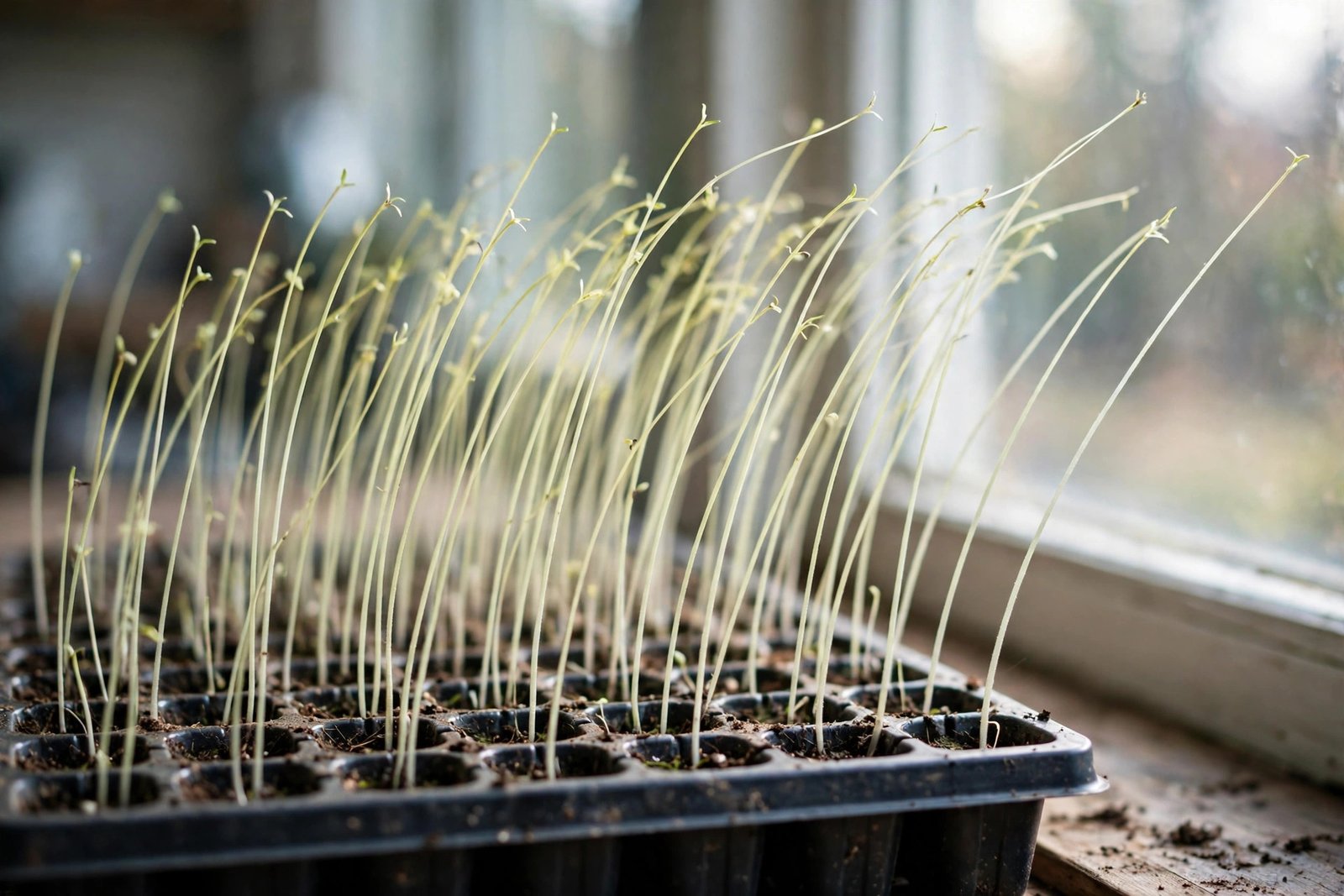
Starting in March with the peppers. Peppers need 8 to 10 weeks indoors; tomatoes need 6 to 8 and grow faster. A tomato started in mid-March is root-bound, leggy, and flowering in a too-small pot by May — and a stressed transplant produces less than a younger one set out two weeks later. Keep the crops on separate calendars; our pepper guide has the March dates.
Transplanting at the last frost. Last frost is the date after which frost is unlikely, not the date tomatoes want to be outside. Wait until nights hold above 50°F and the soil feels warm to a bare hand at root depth.
Skipping hardening off to catch up. A late start tempts gardeners to plant straight out. It backfires: an unhardened transplant stalls for two weeks, erasing whatever time was saved. The 7- to 10-day hardening schedule is part of the calendar, not an optional extra.
Choosing varieties by catalog photo instead of days-to-maturity. In zone 4, days from transplanting is the single most important number on the packet. Anything over 80 days should be a side experiment, not the main crop.
Bottom Line
For zone 4: sow tomatoes indoors in early April, harden them off over 7 to 10 days in mid- to late May, and transplant in late May to early June when nights stay above 50°F. Pair the timing with varieties that finish — Glacier for earliness, Black Krim for flavor — and keep peppers on their own, earlier calendar. For the general indoor-starting technique, our beginner’s guide covers the setup; for the full tomato technique, our tomato indoor-starting guide goes deeper.