Landscape & Leisure is reader-supported. When you buy through links on our site, including Botanical Interests seed links, we may earn a commission at no extra cost to you. Prices change, so click through to confirm current pricing.
By the time the soil is workable in early spring, most of the garden is still a promise — the tomatoes are on the windowsill, the peppers have not even been sown. Mustard greens are the exception. They go into cold ground, they come up in days, and within three weeks you are cutting leaves for salad while the rest of the garden is still deciding what to do. The trick is not complicated, but it is a matter of timing: sow early, thin boldly, and harvest the outer leaves before the plant decides it is done.
Our mustard greens roundup compares the three varieties worth growing — Mizuna, Red Giant, and Tendergreen — and our mustard-versus-kale comparison settles which leafy green deserves the bed when you can only plant one. If you are planning a whole salad bed, our salad greens guide covers the lettuces that grow alongside mustard, and our fall garden roundup covers the late-summer sowing window.
Why Mustard Greens Are So Fast
Mustard greens are a cool-season crop, which means they do their best work when the weather is still too cold for most vegetables. They germinate in cool soil — Mizuna will even sprout under cold, wet spring conditions — and they grow fast enough that baby leaves are ready in about three weeks and full-size leaves in 35 to 60 days. That speed is the whole reason to grow them: they fill the gap between the last frost and the first tomato, and then they do it again in fall, when the cooling weather sweetens the leaves instead of stressing them.
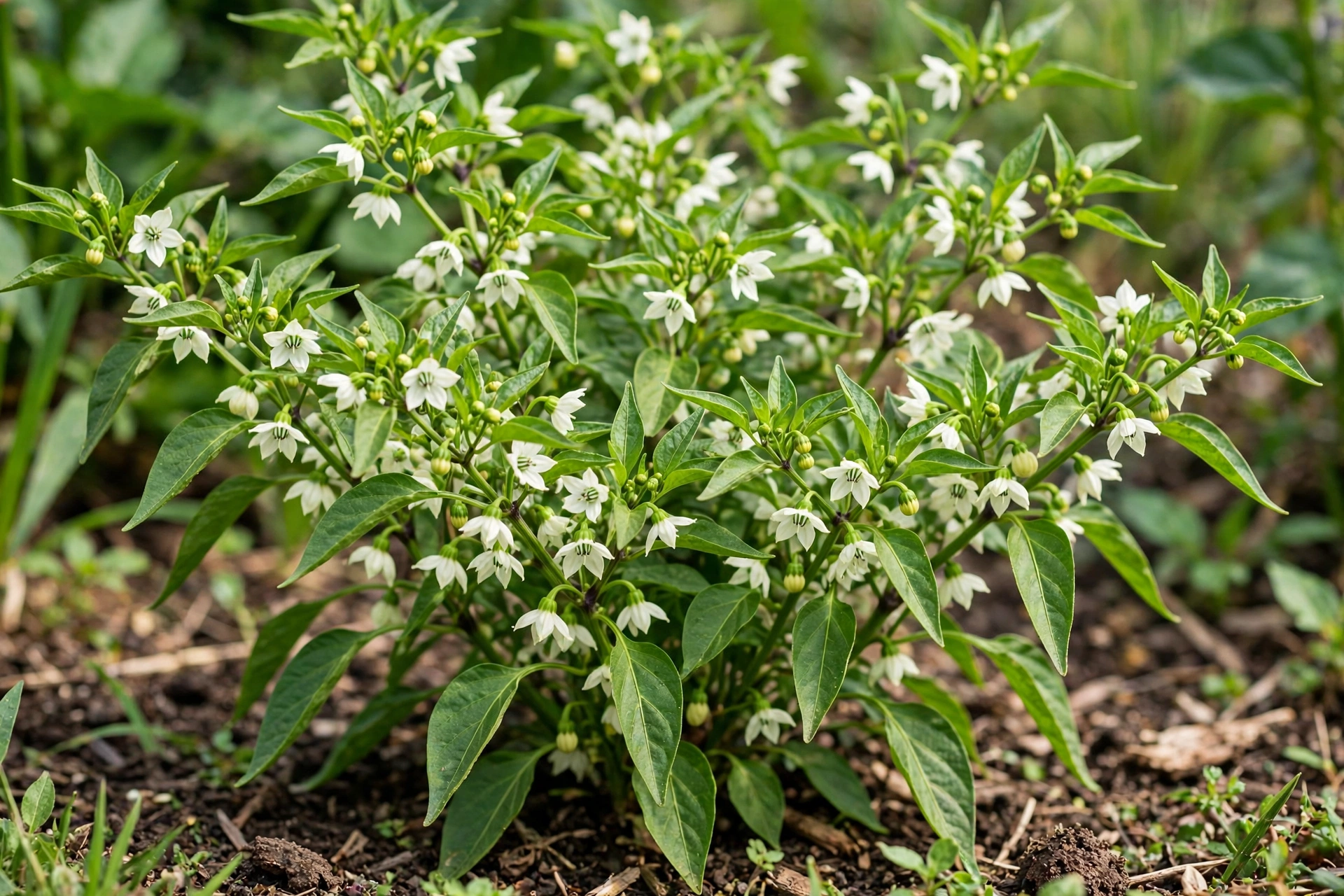
The flip side of that speed is heat. Mustard does not tolerate hot weather, and it bolts — runs to seed — when the weather warms in late spring, which is why the sowing window matters more than anything else you do. Sow early enough that the plants mature before sustained heat arrives, and you get tender leaves; sow late, and you get tough leaves with an off-flavor and a flower stalk. The varieties differ in how long they hold — Red Giant is bolt resistant and holds its flavor into warm weather, Tendergreen is slow to bolt — but no mustard wants a hot June.
When to Sow
Sow mustard greens 4 to 6 weeks before your average last frost date in spring, and again 6 to 8 weeks before your average first fall frost date for a fall crop. Those two windows are the whole calendar: spring for the first salads of the year, fall for the sweetest leaves of the year. Stagger the sowings a couple of weeks apart and you get a continuous supply instead of one glut followed by nothing.
For Tendergreen, the packet directions give the same spring window — direct sow 4 to 6 weeks before your last frost, when the soil is at least 40 degrees, ideally 60 to 75 — and successive sowings every 3 weeks keep the harvest coming through the season. In mild climates you can sow in late fall through winter for a cool-season harvest, and a late-summer crop will last until the first hard freeze.
Sowing and Thinning, Step by Step
Prepare a fine, moist bed. Mustard wants fertile, well-drained soil and steady moisture, so work the bed loose and water it before you sow rather than after, which keeps the tiny seeds from washing into clumps.
Sow a quarter inch deep. Push the seeds a quarter inch into the soil and cover them lightly — deep enough to stay damp, shallow enough to sprout fast. For Tendergreen, sow in groups of three seeds every 4 to 6 inches, with rows 12 to 18 inches apart. Germination takes 5 to 10 days.
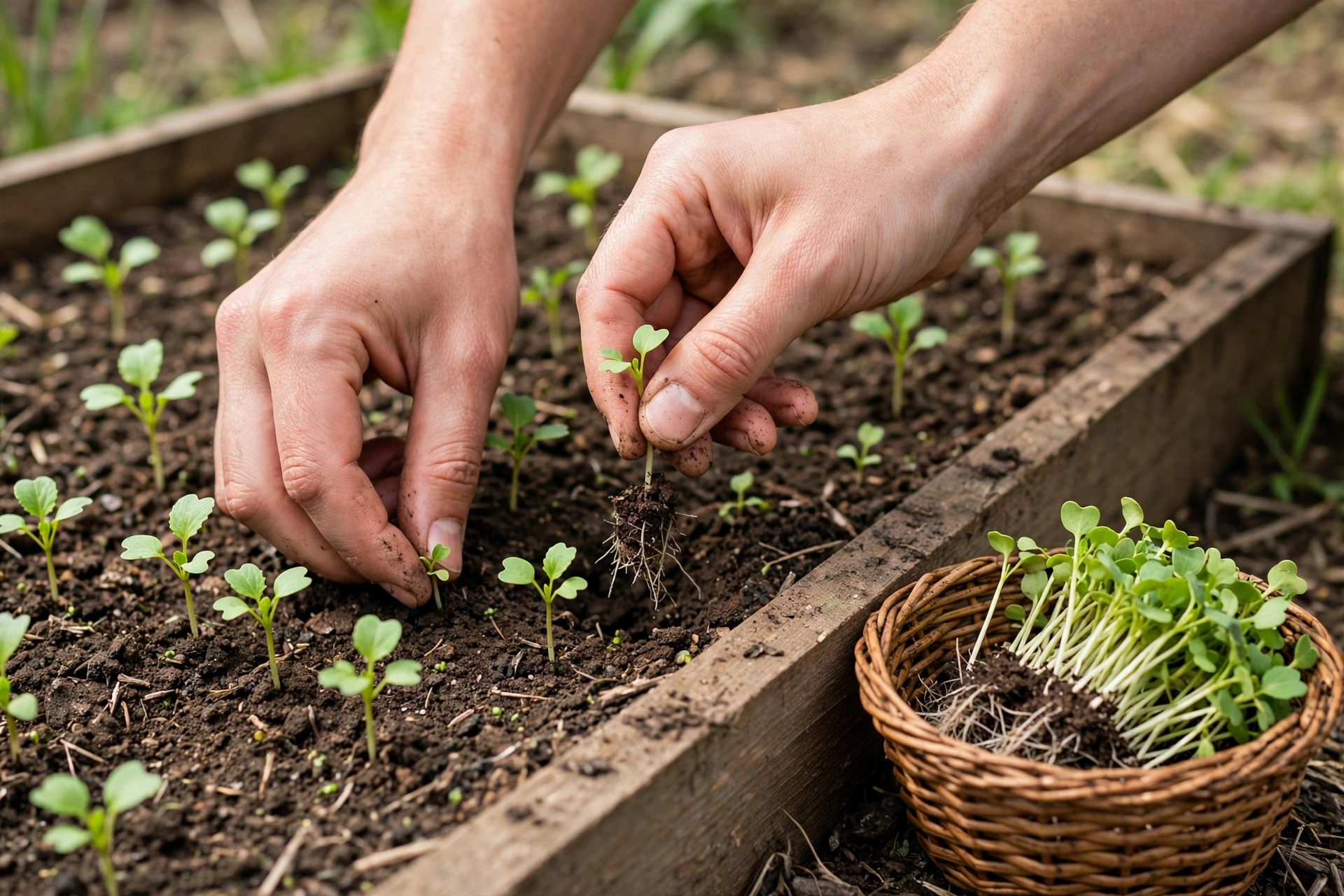
Thin boldly, and do not skip it. When the seedlings are 3 inches tall, thin Tendergreen to one plant every 4 to 6 inches. For baby-leaf harvests, 4 to 6 inches between plants is right; for full-size plants, give them more room, up to a foot or two for the big southern types. Overcrowded plants compete for light and water and turn weak and spindly, and no amount of fertilizer fixes a bed that was never thinned.
Water steadily. Mustard greens want about an inch of water a week, rain included, and they want it even — hot, dry spells and low fertility are what turn the leaves tough and bitter. Keep the soil evenly damp through germination and the first true leaves, then water deeply a couple of times a week rather than sprinkling every day.
Do not start them indoors. Mustard is a direct-sow crop, and Tendergreen in particular should not be transplanted — the stress of moving can make the plants bolt. Sow where they will grow.
| Step | When | How |
|---|---|---|
| Sow (spring) | 4–6 weeks before last frost | ¼ inch deep, soil at least 40°F |
| Sow (fall) | 6–8 weeks before first frost | Same depth; late-summer crop lasts to first hard freeze |
| Thin | Seedlings 3 inches tall | Tendergreen to 1 every 4–6 inches |
| Baby greens | About 3 weeks after sowing | Mizuna ready; Tendergreen leaves pickable at 2 inches |
| Full-size leaves | 35–60 days after sowing | Harvest outer leaves first, never more than a third at once |
The Varieties to Sow
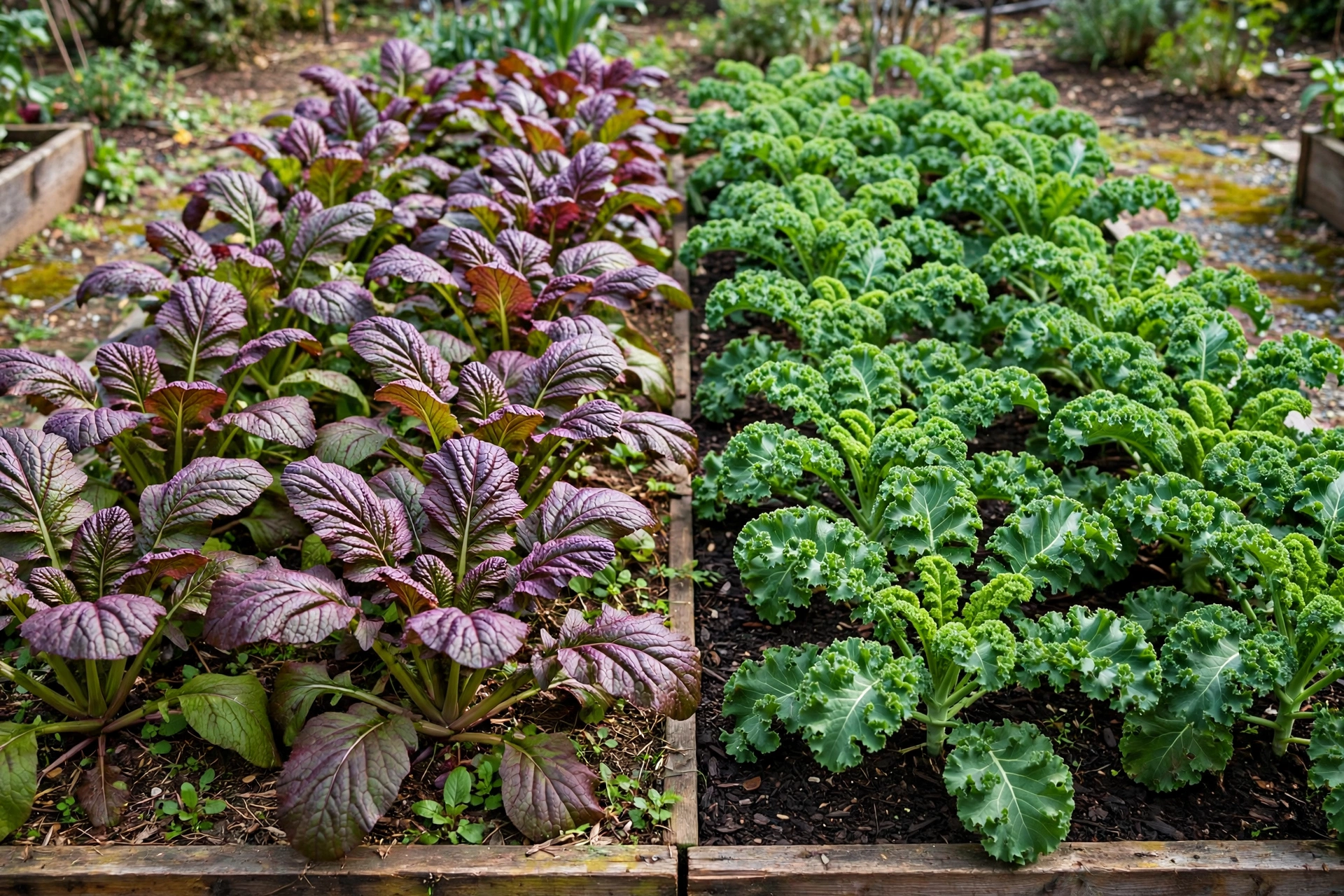
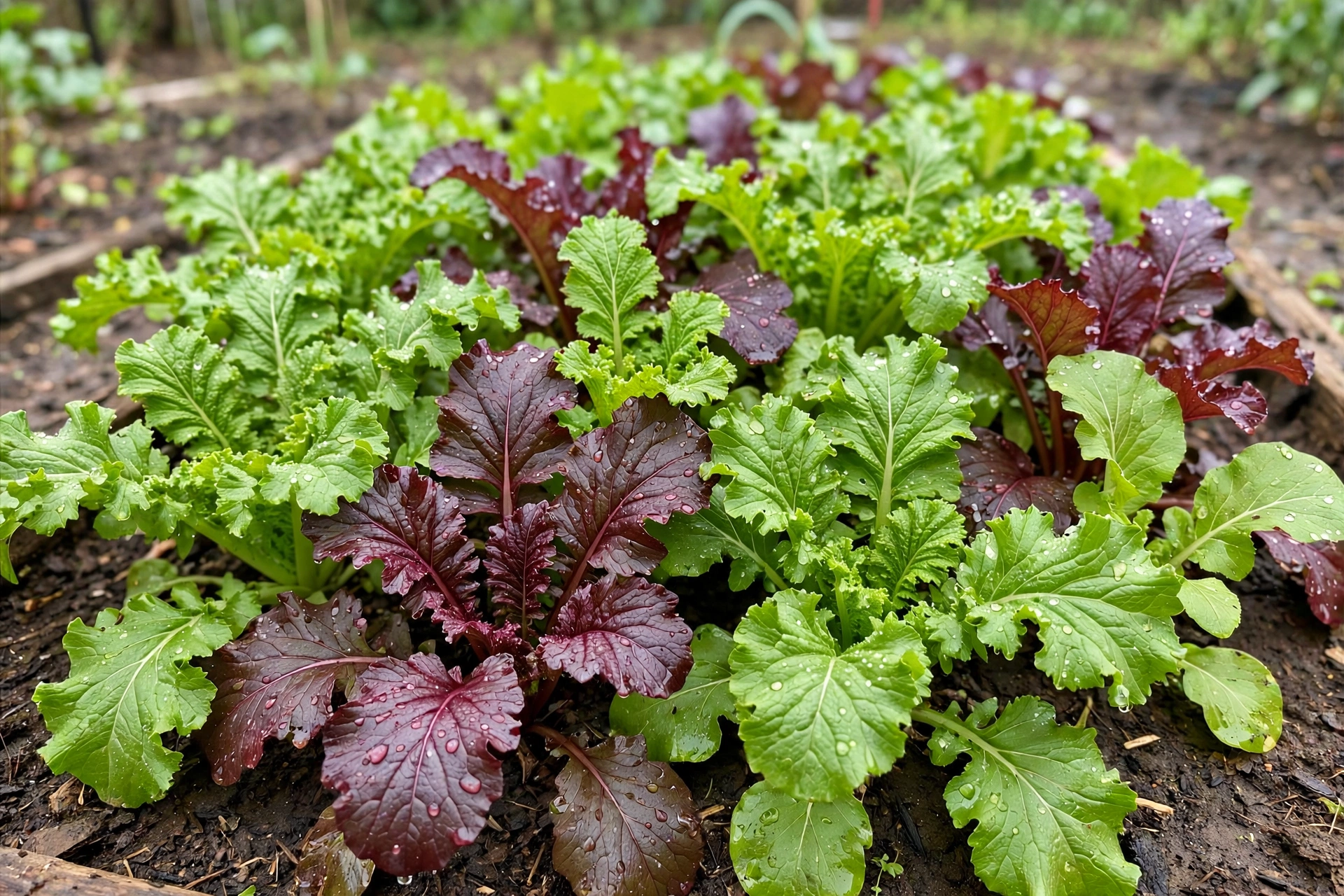
Three varieties cover the range, and they are the same three in our mustard roundup. Mizuna is the fastest, with baby greens in as little as three weeks and a mild, slightly spicy flavor that suits salads raw. Red Giant is the boldest, with big maroon leaves, a peppery bite that intensifies in older leaves and hot weather, and a perfect 5.0 rating from 13 reviews. Tendergreen is the mildest and the most forgiving, slow to bolt and tolerant of cold, heat, and dry weather, with a 30- to 60-day harvest window.
Mizuna: Fastest Baby Greens
Mizuna is the one to sow first, because it is the one you will eat first. It is a Japanese mustard, milder than other mustards, with small feathery leaves that are ready as baby greens in as little as three weeks, and it germinates under cold, wet spring conditions that would stall other seeds. It withstands heat longer than lettuce without bolting, so the bed keeps producing into the part of spring when lettuce gives up, and gardeners rate it 4.9 from 15 reviews. Sow it where you will eat it — it is pretty enough for a flower bed or a container, and the leaves go straight into salads, or into the steamer or the stir-fry pan.
Pros: baby greens in as little as 3 weeks; germinates in cold, wet spring soil; outlasts lettuce in warm weather.
Cons: small leaves mean more snipping per salad; can draw aphids.
Mizuna Mustard Seeds
The first salad of spring — mild, feathery leaves ready in as little as three weeks.
Red Giant: Boldest Flavor
Red Giant is the mustard to grow when you want the leaves to taste like something. The big maroon leaves with lime veins are ornamental enough for a flower bed, and the flavor is the boldest here — peppery, with hints of horseradish, stronger in older leaves and hot weather. It is cold tolerant and bolt resistant, so it holds longer into warm weather than most mustards, and gardeners give it a perfect 5.0 from 13 reviews. In the kitchen, cook it fast: it is best sautéed, raw in salads, or in a sandwich, and it does not suit a long, slow stew.
Pros: perfect 5.0 from 13 reviews; boldest flavor here; ornamental maroon leaves; bolt resistant.
Cons: not suited to long stewing; older leaves can be too hot for timid eaters.
Red Giant Mustard Seeds
Big maroon leaves with a real peppery bite — the mustard that earns its place in the flower bed too.
Tendergreen: Steadiest Harvests
Tendergreen is the one to sow when you want a green that keeps coming back. It is komatsuna, not a true mustard — Botanical Interests says so plainly on the product page — and its flavor is the mildest here, with smooth, dark, glossy leaves that you can start picking when they are 2 inches tall. It is slow to bolt and tolerant of cold, heat, and dry weather, which makes it the most forgiving of the three when the season turns, and gardeners rate it 4.9 from 12 reviews. One packet sows up to 200 feet of row, so a single packet is a season of greens.
Pros: mildest flavor here; slow to bolt; harvestable from 2 inches tall; one packet sows up to 200 feet.
Cons: no peppery bite; direct sow only, since transplants can bolt.
Tendergreen Mustard Spinach Seeds
The mildest green here, slow to bolt, with leaves you can start picking at two inches tall.
Harvesting Cut-and-Come-Again
Mustard greens are ready to eat at any stage, and the harvest method is what turns one sowing into weeks of salads. Start with the baby leaves — Mizuna is ready in about three weeks, and Tendergreen leaves can be picked at 2 inches tall — then keep picking the outer leaves first, leaving the center of the plant to keep growing. Never take more than a third of the plant at one harvest, and harvest in the morning, when the leaves are crisp and full of moisture.
If you would rather cut the whole plant, cut it an inch or two above the soil line and it will flush a second growth — mustard can be cut and allowed to regrow for up to four harvests, regenerating in two weeks or less. Either way, pick the leaves young and tender, and skip any that are wilted or yellowed. A plant left too long goes tough and strong-flavored, and once it bolts, the leaves are done — pull it, and sow the next round.
What to Watch Next
The two things that undo a mustard bed are heat and neglect. Watch for the flower stalk going up in the center of the plant — that is bolting, and it means the leaves will turn bitter fast, so harvest what is usable and move on. Watch the watering, too: a dry spell is what turns a mild leaf hot and tough, so keep the soil evenly damp and the plants will stay sweet. And thin on time. The seedlings that look crowded at 3 inches tall will be a tangled mat by 6 inches, and a tangled mat is where the slugs and the aphids move in.
Sow early, thin boldly, and pick the outer leaves while the center keeps growing — that is the whole routine, and it is the reason one packet of mustard seed is the cheapest spring salad you will ever grow. For the variety comparison, read our mustard greens roundup, and if you are weighing mustard against kale, our comparison settles it.