This site contains product affiliate links. We may receive a commission if you make a purchase after clicking on one of these links.
Most people grab the biggest bag on the shelf, then wonder why the lawn stripes. The bag was fine — the mistake was buying before knowing two numbers: how many square feet the lawn actually is, and what kind of grass is growing on it. A granular fertilizer is the easiest way to feed a lawn evenly, but only when the bag matches the grass and the spreader is set right, and this article settles both of those before it names a single product.
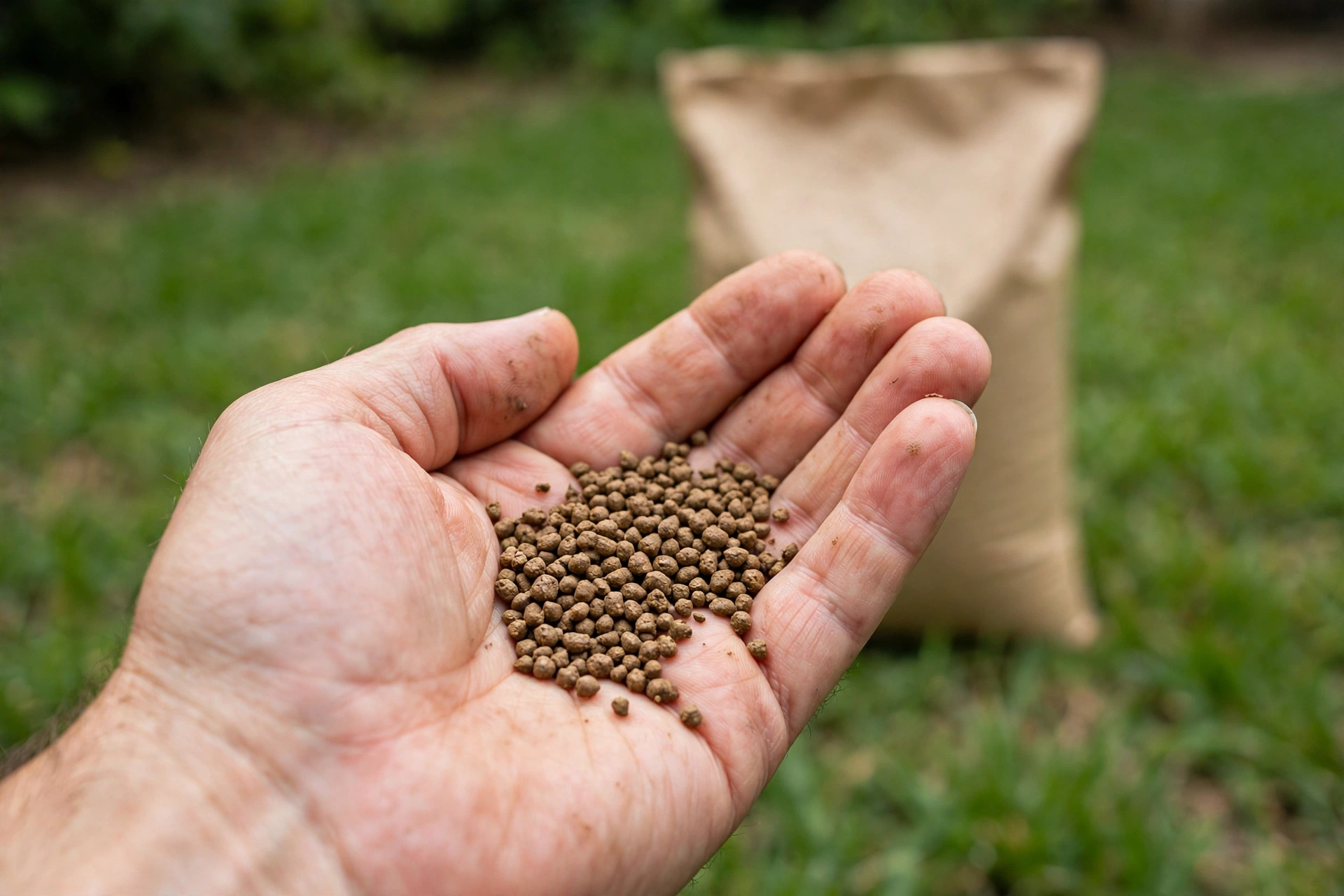
Granular fertilizer is pellets you spread dry and water in, which makes it the most forgiving format a homeowner can buy. Liquid feeds act fast and fade fast, and the difference is worth understanding before you choose — our liquid vs granular fertilizer comparison lays it out. Granular wins on even coverage and slow release, and it loses only on speed: the green-up takes days, not hours.
The Picks, Compared
| Product | Analysis | Coverage | Best for |
|---|---|---|---|
| Scotts Turf Builder Lawn Food 32-0-4 | 32-0-4 | 15,000 sq ft per 37.5 lb bag | Best overall — most lawns, most seasons |
| Scotts Turf Builder Southern Lawn Food 32-0-10 | 32-0-10 | 10,000 sq ft per 28.12 lb bag | Runner-up — Southern grasses |
| Scotts Turf Builder Starter Food for New Grass 24-25-4 | 24-25-4 | 1,000 sq ft per 3 lb bag | Best for new grass — seeding and sodding |
| Scotts Turf Builder Halts Crabgrass Preventer with Lawn Food 30-0-4 | 30-0-4 | 5,000 sq ft per 13.35 lb bag | Feeding plus stopping crabgrass before it starts |
Best Overall: Scotts Turf Builder Lawn Food 32-0-4
Scotts Turf Builder Lawn Food is the standard granular fertilizer for a reason that has nothing to do with marketing: one 37.5-pound bag covers 15,000 square feet, which means a single bag feeds most suburban lawns in one pass. The 32-0-4 analysis is heavy on nitrogen, the nutrient grass uses fastest, with a little potassium for stress tolerance and no phosphorus, which most established lawns do not need. At the standard rate that works out to 0.8 pounds of actual nitrogen per 1,000 square feet — a solid seasonal feed that greens the lawn within days and holds for weeks.
The trade-off is the one that comes with any high-nitrogen synthetic: applied heavy or on a hot, dry day, it can burn. The fix is boring and it works — spread on a dry lawn, water it in right after, and never double back over a strip you already covered. Our fertilizer calculator takes the arithmetic out of the bag math if you would rather type in your lawn size and get the answer. For timing, the reference table for when to fertilize cool-season vs warm-season lawns shows which months fit your grass type, and if you are wondering whether the season has already passed, is it too late to fertilize your lawn in November answers that directly.
Scotts Turf Builder Lawn Food 32-0-4, 37.5 lb bag
One bag covers 15,000 sq ft with a strong nitrogen feed that greens most lawns within days.
Runner-Up: Scotts Turf Builder Southern Lawn Food 32-0-10
Southern lawns run on different grass — bermuda, zoysia, St. Augustine, centipede — and the Southern formula is built for it. The 32-0-10 analysis keeps the same heavy nitrogen as the standard bag and adds substantially more potassium, which helps warm-season grasses stand up to heat and drought stress. A 28.12-pound bag covers 10,000 square feet, so the coverage per bag is smaller than the best overall pick, and a big Southern lawn may need two bags where a Northern lawn needs one.
Here is the mistake to avoid: buying the standard Turf Builder for a Southern lawn is not a disaster, but it leaves the potassium on the table, and potassium is the nutrient that does the most work when the summer heat arrives. If your grass goes dormant in winter and explodes in July, this is the bag. If your grass is fescue or bluegrass, go back to the best overall pick — the Southern formula gains you nothing and costs you coverage.
Scotts Turf Builder Southern Lawn Food 32-0-10, 28.12 lb bag
The same heavy nitrogen feed, with extra potassium built for bermuda, zoysia, and St. Augustine.
Best for New Grass: Scotts Turf Builder Starter Food for New Grass 24-25-4
New grass has a different appetite than an established lawn, and the starter food is built around it. The 24-25-4 analysis carries a high phosphorus number — 25, against 0 in the regular Turf Builder — because phosphorus drives root development, which is exactly what seed and sod need in their first weeks. A 3-pound bag covers 1,000 square feet, so the coverage is small by design: you are feeding a patch or a fresh seeding, not a whole lawn, and one bag goes a long way at that scale.
Do not use this as a routine feed. The phosphorus that helps new roots does nothing for established grass, and spreading it across a mature lawn is money spent on a nutrient the lawn already has enough of. Use it when you seed, use it when you sod, and switch to the best overall pick once the grass is established. For a late-season feeding question, the best winterizer fertilizer for cool-season lawns covers what comes after the starter phase.
Scotts Turf Builder Starter Food for New Grass 24-25-4, 3 lb bag
High phosphorus for root development on seed and sod, sized for patches and fresh lawns.
Also Worth Knowing: Scotts Turf Builder Halts Crabgrass Preventer with Lawn Food 30-0-4
Halts combines a 30-0-4 feed with a crabgrass pre-emergent, so one spring pass feeds the lawn and stops crabgrass before it germinates. A 13.35-pound bag covers 5,000 square feet, and the timing is the whole game — it has to go down before crabgrass germinates, which in most regions means early spring, well before you see the first weed. Applied on schedule it saves a separate pre-emergent pass; applied late it is a decent fertilizer carrying a weed preventer that arrived too late to prevent anything. The N-P-K question comes up constantly with this bag, and 28-0-3 vs 10-10-10 fertilizer explains what those three numbers actually decide. It stays a text mention here because the three picks above already cover the jobs most buyers need, and this one earns its place only in that early-spring window.
Not Recommended as an Everyday Fertilizer: Scotts Turf Builder Weed & Feed3
Weed & Feed3 is a competent weed killer, and that is the problem with using it as a fertilizer. The 14.29-pound bag covers 5,000 square feet and feeds the lawn, but it also carries 2,4-D and Mecoprop-p herbicides, which means you cannot overseed after applying it — the herbicide kills grass seed along with the weeds. A routine feed should never lock you out of overseeding for weeks, and a product that does is the wrong tool for the regular job. Keep it for the specific situation it was built for, which is a weedy lawn you do not plan to seed, and feed the lawn with one of the picks above the rest of the season.
Calibrate the Spreader Before You Open the Bag
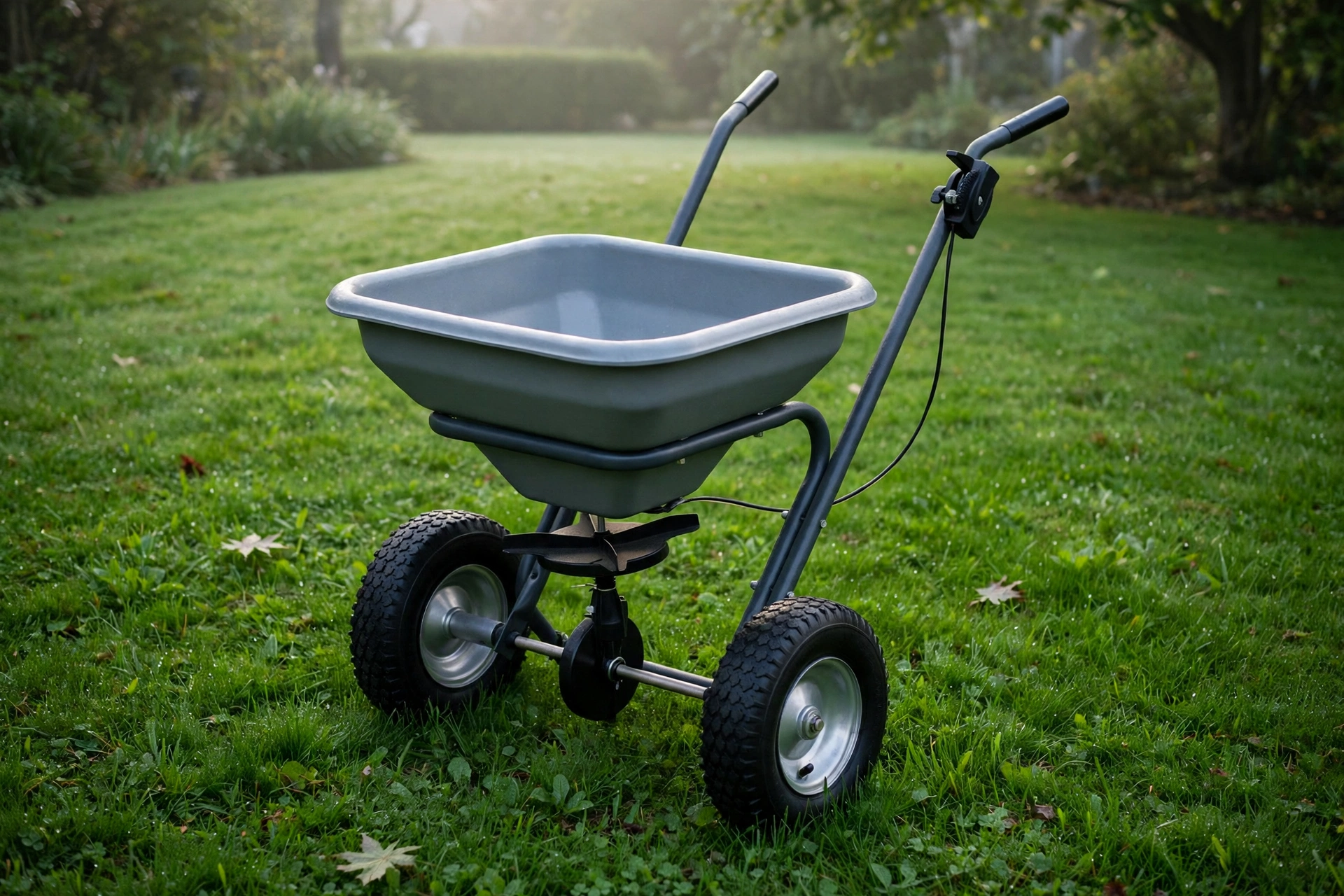
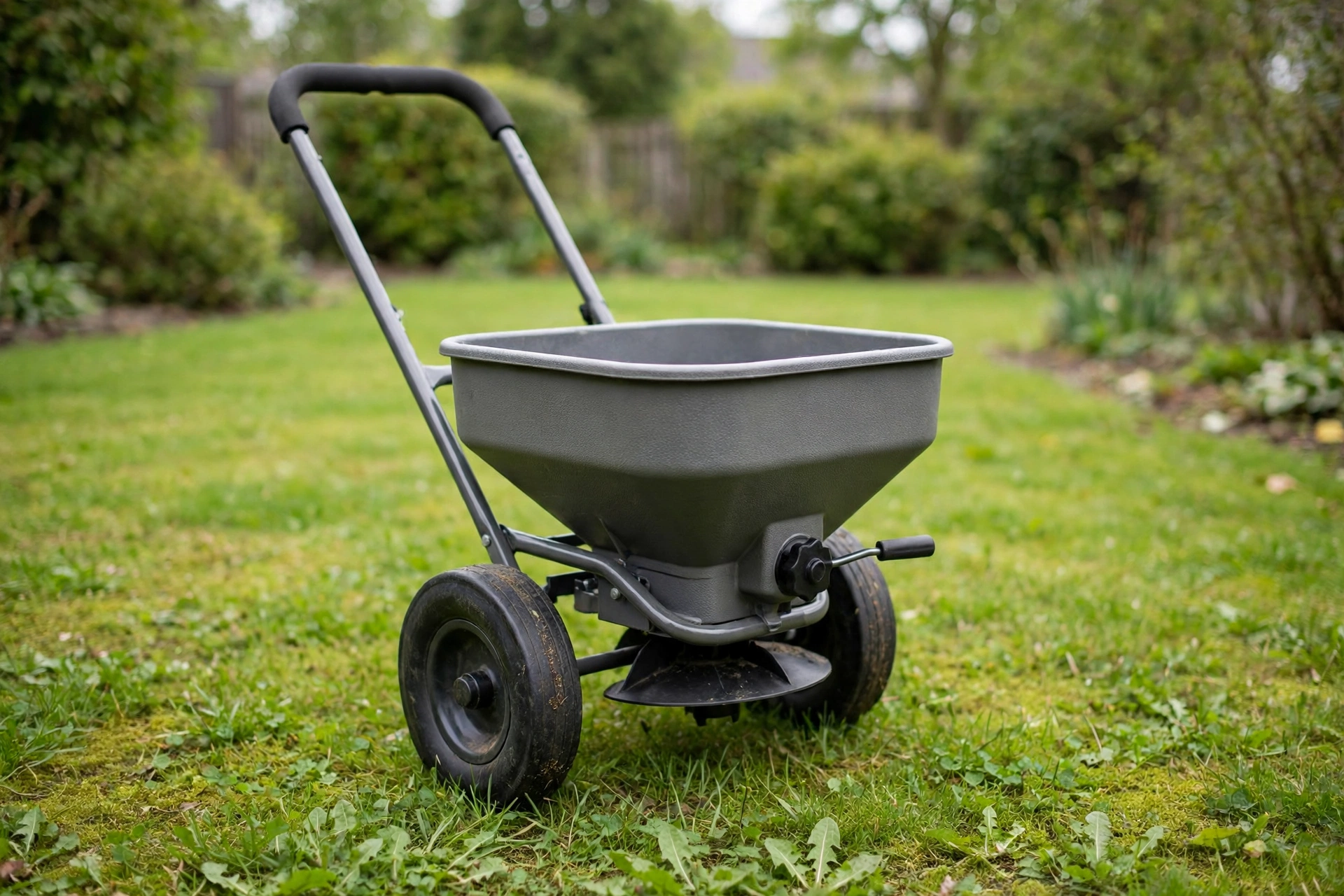
The most common granular fertilizer mistake is not the bag — it is the spreader setting. Every bag prints a setting for Scotts spreaders, and if your spreader is another brand, that number means nothing until you calibrate. The process is simple: measure out a known area, spread a weighed amount of product over it, and adjust the setting until the rate matches the bag. The full walkthrough is in how to calibrate a broadcast spreader, and it takes about fifteen minutes the first time and five minutes after that.
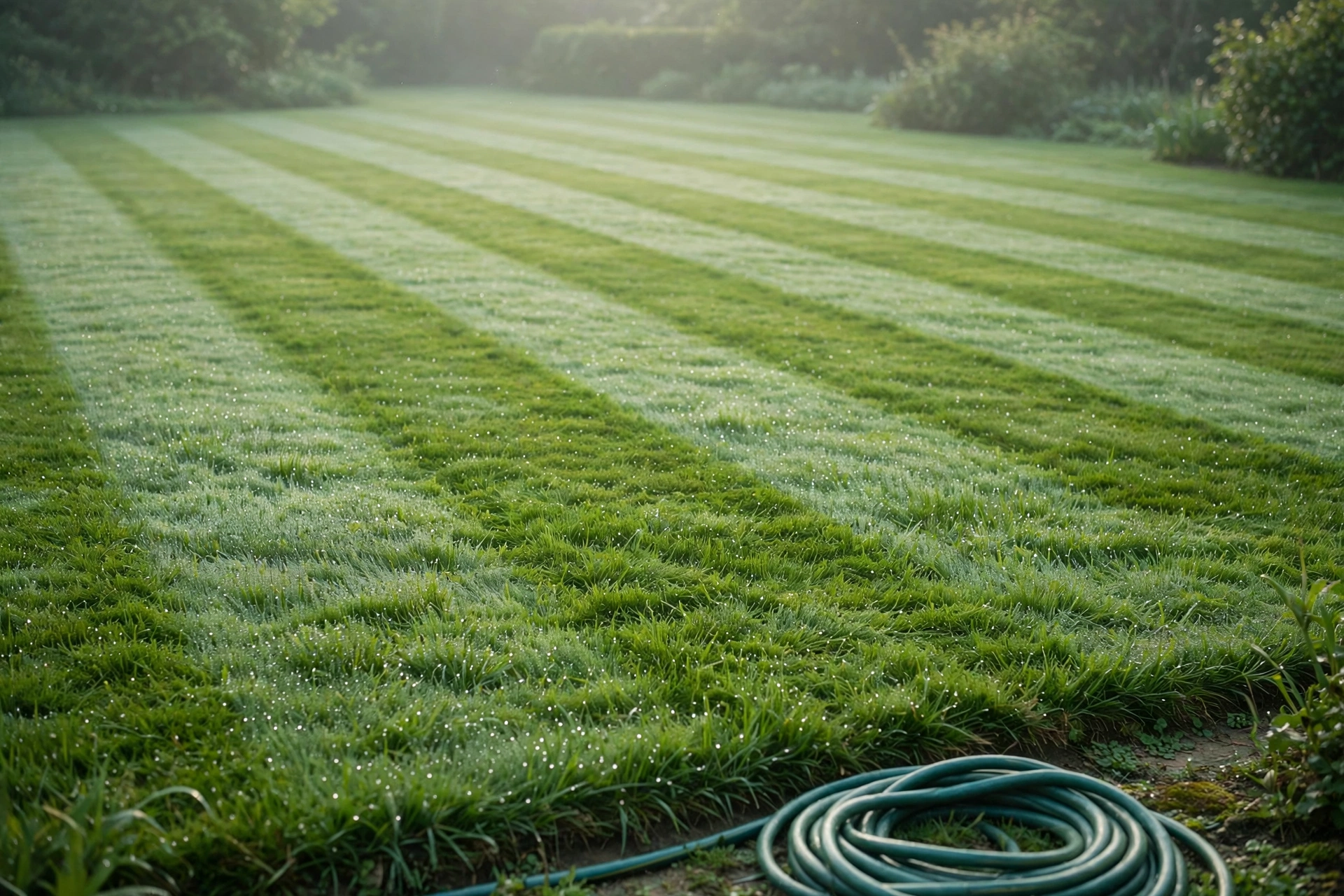
Two habits prevent most striping. First, walk at a steady pace and overlap each pass by a few inches, so no strip gets missed and no strip gets a double dose. Second, close the spreader gate before you turn around, because the pile that dumps while you pivot is the dark green spot you will be looking at all summer. If your spreader is old, wobbly, or missing its edge guard, our best broadcast spreaders for lawns roundup covers replacements worth buying. For readers who prefer organic feeding, the best organic lawn fertilizer roundup covers the slower, soil-first side of the same decision.
Bottom Line
Buy the Scotts Turf Builder Lawn Food 32-0-4 for a standard lawn, the Southern formula if your grass is bermuda, zoysia, or St. Augustine, and the Starter Food when you seed or sod. Calibrate the spreader once, water the granules in, and do not use a weed-and-feed as your routine fertilizer — it will cost you the overseeding window every time.