What if the calendar hanging in the kitchen is the wrong one to run your spring lawn care by? It cannot tell you when your soil is ready for pre-emergent, when your grass is awake enough to feed, or when seed will actually germinate — and a date that is perfect in one state is three weeks early two states north. Your lawn runs on soil temperature. This calendar does too.
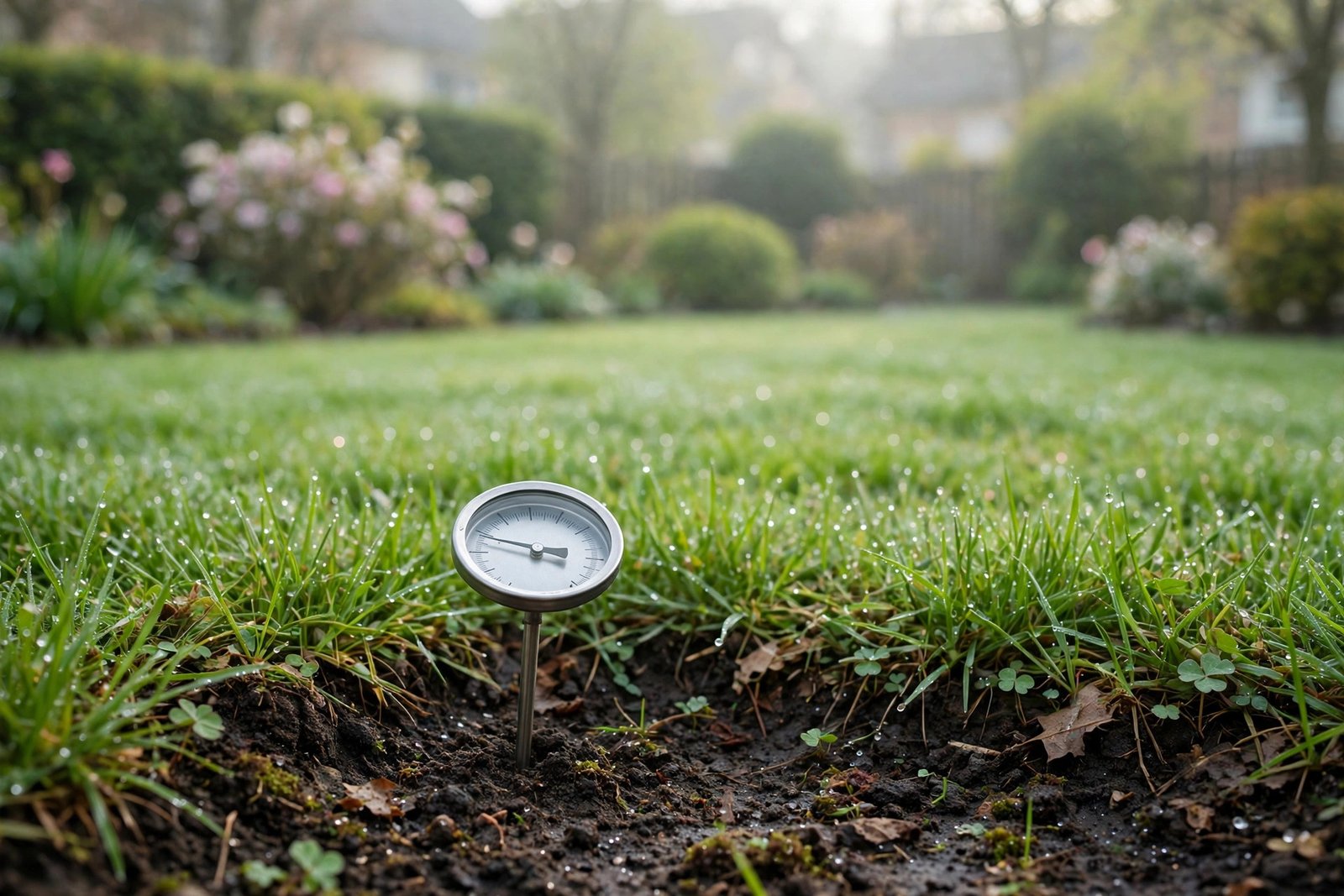
Every stage below is keyed to a soil temperature you can measure with an inexpensive probe thermometer pushed a few inches into the ground on a morning reading. The spring calendar table puts the whole season into one quick-reference grid; this guide walks through what each stage asks of you and why. For the full job-by-job walkthrough, the spring lawn care hub is the companion piece.
Before the soil wakes: the 40s and still cold
The lawn looks dormant, and mostly it is, but this is the most useful working window of the season precisely because nothing is urgent yet. Rake out matted grass and the leaves that plastered themselves down over winter, clear the sticks before a mower finds them, and walk the yard with a notebook: thin spots to seed, low spots that puddle, areas where turf feels loose or spongy.
This is also the moment for the unglamorous jobs that pay off all year. Send a soil test if you have not in the last few seasons, because its results decide your fertilizer and lime decisions with facts instead of habits. Service the mower — blade sharpened, oil changed, filter cleaned — following the routine in the first mow of the year, and order seed and pre-emergent now so the closing windows below never catch you shopping instead of spreading.
The 50-to-55-degree window: pre-emergent
This is the tightest window of the spring and the one worth setting the season around. Crabgrass seed germinates as soil temperatures approach 55 degrees, and pre-emergent herbicide has to be spread and watered into the top layer of soil before that germination starts. Too early wastes some of the barrier’s life; too late is simply too late.
Run your own lawn through the Crabgrass Pre-Emergent Timing Checker for a go-or-wait answer based on your soil temperature and grass type, check the product windows in the pre-emergent timing table, and use the best pre-emergent herbicide roundup if you have not chosen a product yet. If seeding bare spots is the bigger priority this year, this is the stage where you choose — standard pre-emergent and new grass seed cannot share a lawn, as can you seed after pre-emergent explains.
The 55-to-65-degree stretch: first mow, first seed, first feeding
Cool-season grass is genuinely growing now, and three jobs open up in this stretch. The first mow comes when the lawn reaches about a third taller than its target height — for most cool-season lawns that means mowing at 3 to 3.5 inches and never taking more than a third of the blade at once.
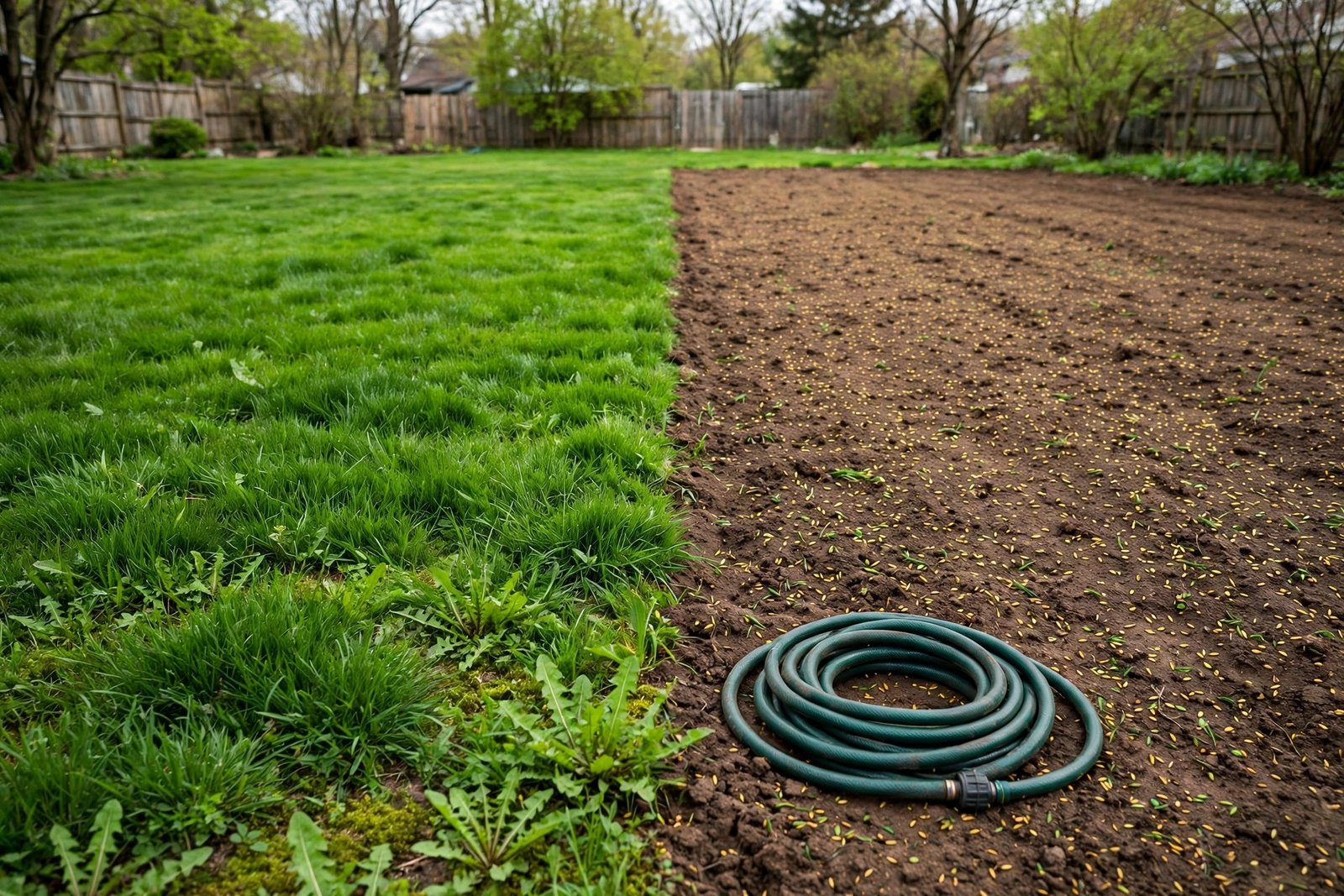
Seeding opens here too. Grass seed germinates best in this same soil range, so spring repair seeding belongs in this window and not earlier, when seed sits in cold soil waiting for fungi and birds. The full method is in when to overseed in spring, including the watering rhythm new seed needs. And cool-season lawns can take their spring feeding once growth is steady — rates and product math are in the fertilizing reference table.
Warm-season lawns, meanwhile, are only beginning to stir at the warm end of this stretch. Their calendar is the next stage, and feeding them now is the classic spring error: the nitrogen goes to winter weeds that are already awake while the bermuda is still asleep.
Soil at 65 degrees: warm-season green-up
When soil temperatures hold around 65 degrees, bermuda, zoysia, St. Augustine, and centipede start greening from their roots and runners outward. This is their season opener: the first lower mow for bermuda, the patience test that zoysia sets every year, and — only once green-up is well underway — their first feeding. The warm-season lawn green-up guide walks each grass through it.
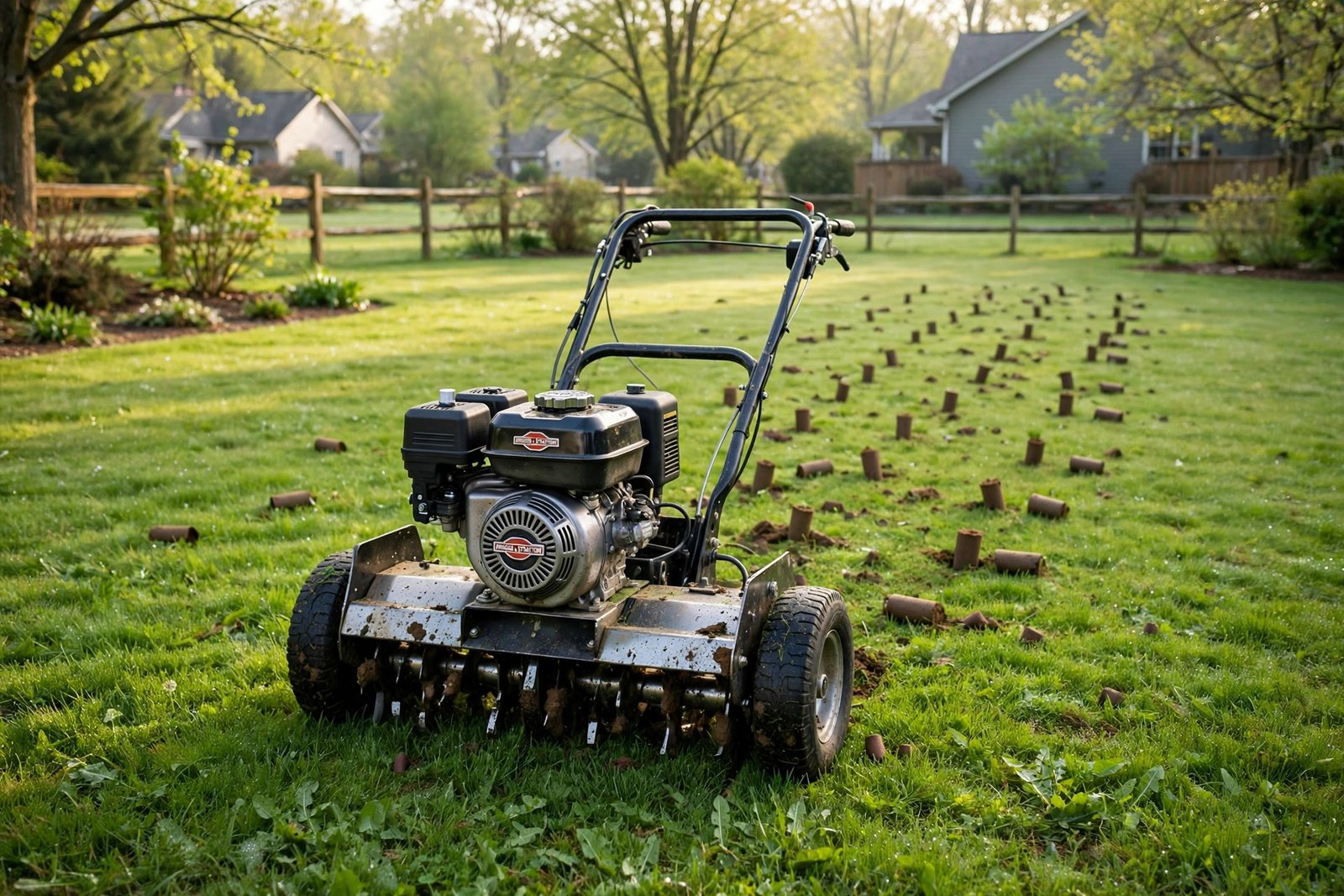
This is also the right window for aerating warm-season lawns, since they are growing hard enough to heal the holes quickly. Cool-season lawns with genuine compaction can be aerated in this stretch too, ahead of seeding — when to aerate in spring sorts out which lawns gain from it and which are better off waiting for fall.
Late spring: prevention and polish
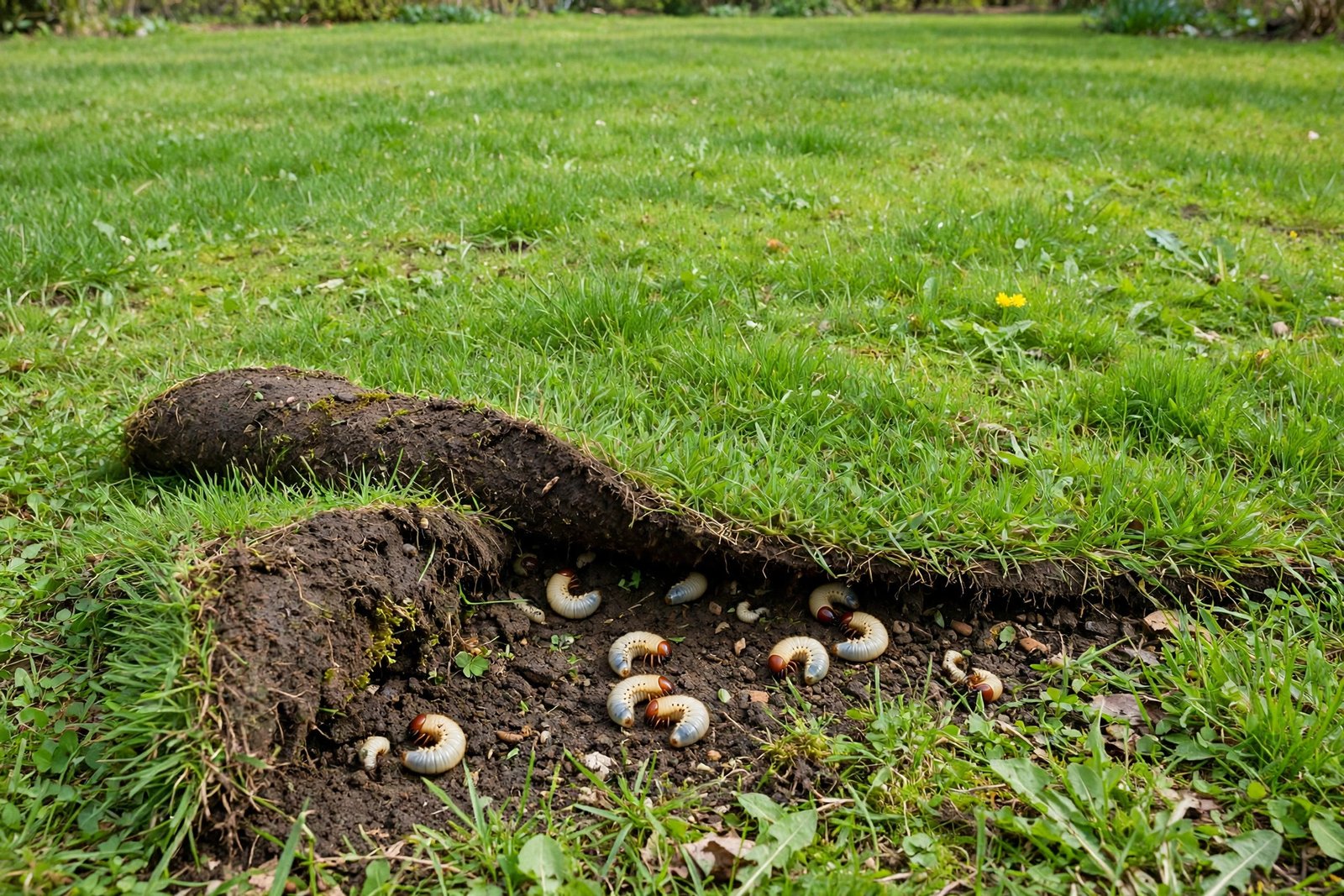
By the time soil temperatures push past 65 degrees and the lawn is in full growth, the season shifts from starting jobs to preventing summer ones. Grub prevention belongs here: preventive products need to be in the soil and watered in before beetle eggs hatch in summer, and when to apply grub preventer covers the timing for both preventive families.
Beds get their turn in the same weeks. Soil in the beds has warmed enough that fresh mulch will not hold the cold in, perennials are up where you can see them, and a 3-inch layer now suppresses the summer weeds before they start — the spring mulching guide has the depth and placement rules. Regional readers who want this same sequence translated into months can see it done for one state in the Minnesota lawn care calendar, which uses these identical soil-temperature cues under its dates.
Frequently asked questions
How do I measure soil temperature? Push a probe or kitchen thermometer 2 to 3 inches into the soil in a representative sunny area, in the morning, and average a few days of readings. One warm afternoon does not open a window; a trend does.
My region warms up fast. Do the stages still work? Yes — the stages may compress into a few weeks, but they arrive in the same order, which is the entire point of keying the work to temperature instead of dates.
What if I miss the pre-emergent window? Use a dithiopyr product, which catches crabgrass shortly after germination, and mark the fall window for winter weeds. The roundup above names the forgiving option.
Does this calendar replace the job guides? No — it sequences them. Each stage links to the full guide for that job, and the spring lawn care hub holds the whole set in one place.
Hang the thermometer by the door and let the wall calendar run the holidays. The soil will tell you when to spread, seed, feed, and mow, in the right order, every single year — including the years when spring comes early and the years it refuses to come at all.