Spring soil announces itself. The ground gives a little under your boots, earthworms are up near the surface again, and the lawn that felt like concrete in the dry months now feels workable — which raises the question every rental yard answers with a line of core aerators by the door. Is spring the time? For some lawns, genuinely yes. For others, spring aeration is a fall job done in the wrong season, and the difference is not the machine. It is your grass type, your weed pressure, and whether seeding is part of the plan.
The honest starting point: fall is first choice for cool-season lawns
The general case is already made in our guide to the best time to aerate your lawn: bluegrass, fescue, and ryegrass lawns aerate best in fall, when the grass is growing hard, weed seed pressure is dying down, and the holes heal into a seeding window instead of a stress window. Spring aeration pokes thousands of holes in the lawn just as crabgrass seed is looking for exactly that — open soil, light, and room. If your cool-season lawn is merely average-compacted and otherwise healthy, spring is not an emergency. Fall will do it better.
When spring aeration is the right call
Warm-season lawns, after green-up. Bermuda, zoysia, and their warm-season relatives run the opposite calendar: they aerate best in late spring, once they are fully green and growing fast enough to close the holes in days. Aerating them in fall wounds a lawn heading for dormancy. If you grow warm-season grass, spring is not the exception — it is your season, and the warm-season green-up guide marks where in green-up the job belongs.
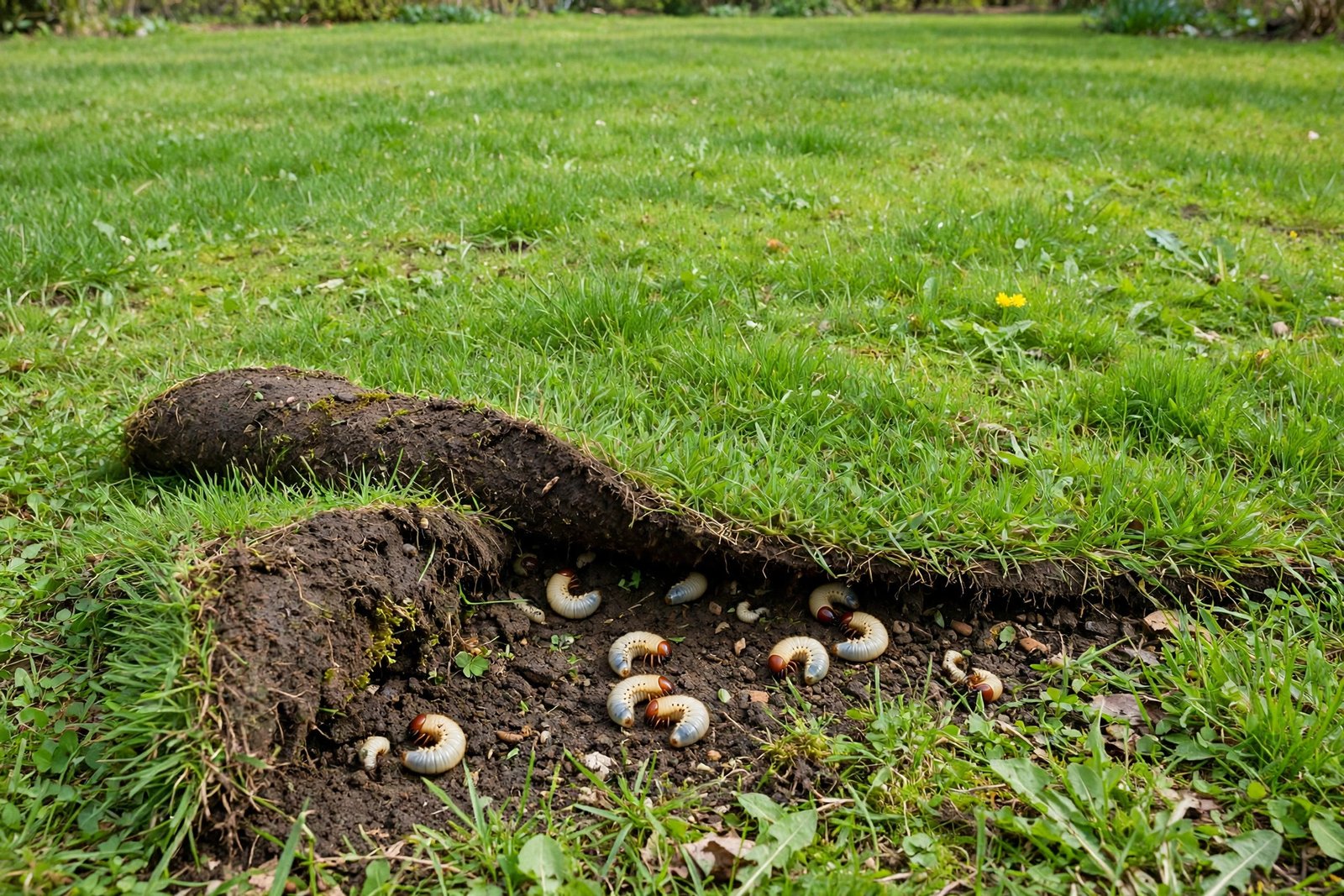
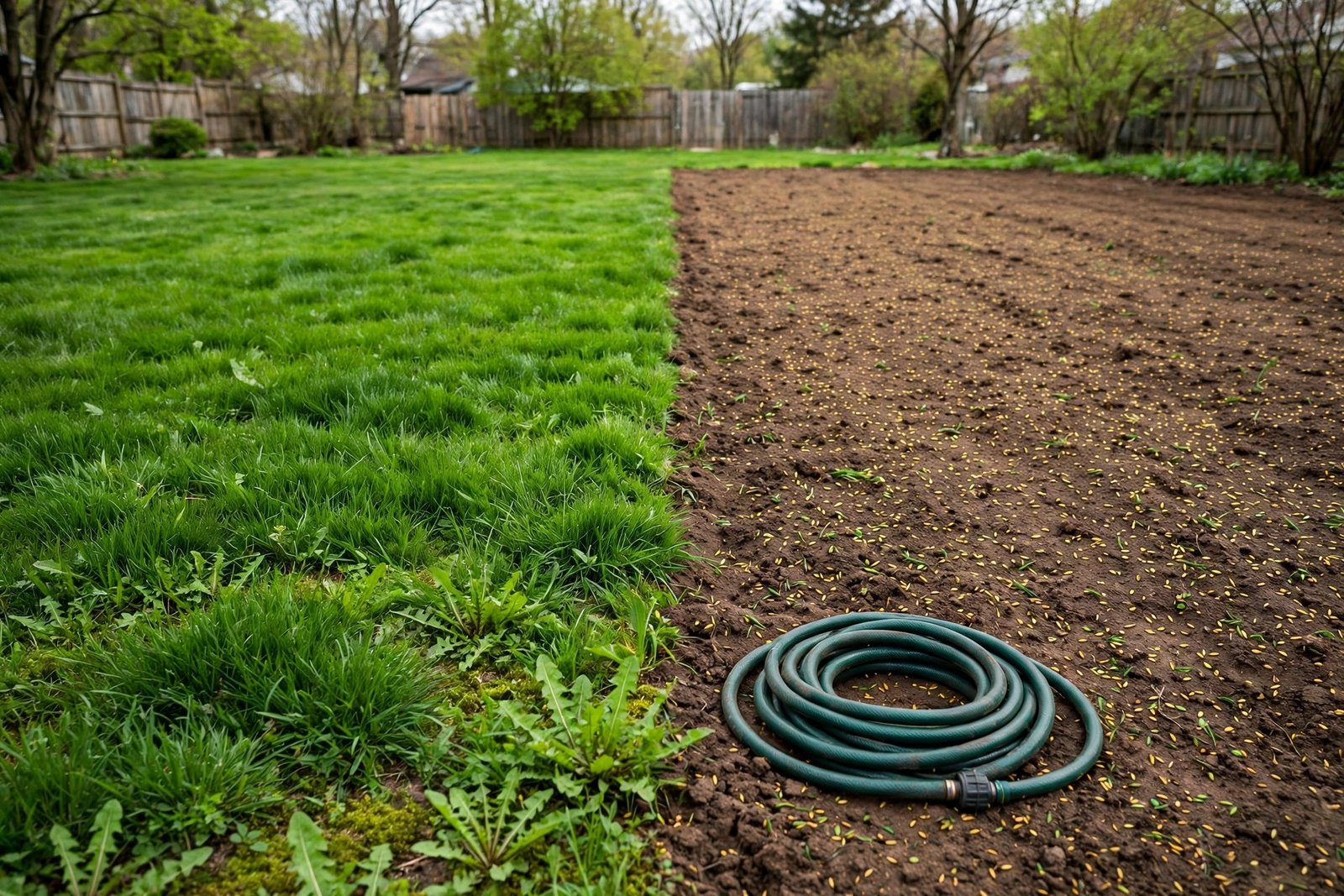
Genuinely compacted cool-season lawns. Some lawns cannot wait for fall: the path across the yard that water sheets off, the play area pounded to brick, the spots where grass has already surrendered to moss and weeds because roots cannot penetrate. For those, spring aeration paired with overseeding is a legitimate repair — the holes give seed soil contact and give roots a way down. The pairing and its order are covered in when to overseed in spring and aerate before or after overseeding.
Before a spring overseed, as part of the same job. Aeration that exists to serve seeding earns its spring timing. Aeration done alone, out of habit, on a lawn that will then face summer with open holes and no new grass coming, is where spring aeration gets its bad name.
When spring aeration is the wrong call
Skip it if the lawn is thin and your weed pressure is high — you will cultivate crabgrass with professional efficiency. Skip it if the lawn is drought-stressed or the spring has turned dry, because coring already-stressed grass adds injury it cannot currently repair. Skip it on a newly seeded lawn, which needs its first season undisturbed. And skip it if you applied pre-emergent and are not seeding: the cores punch holes through the barrier you just paid for, in neat rows, all over the lawn. That last point surprises people every year, and it is the cleanest example in the spring lawn care hub of why the season’s order matters.
Timing inside spring: active growth, moist soil
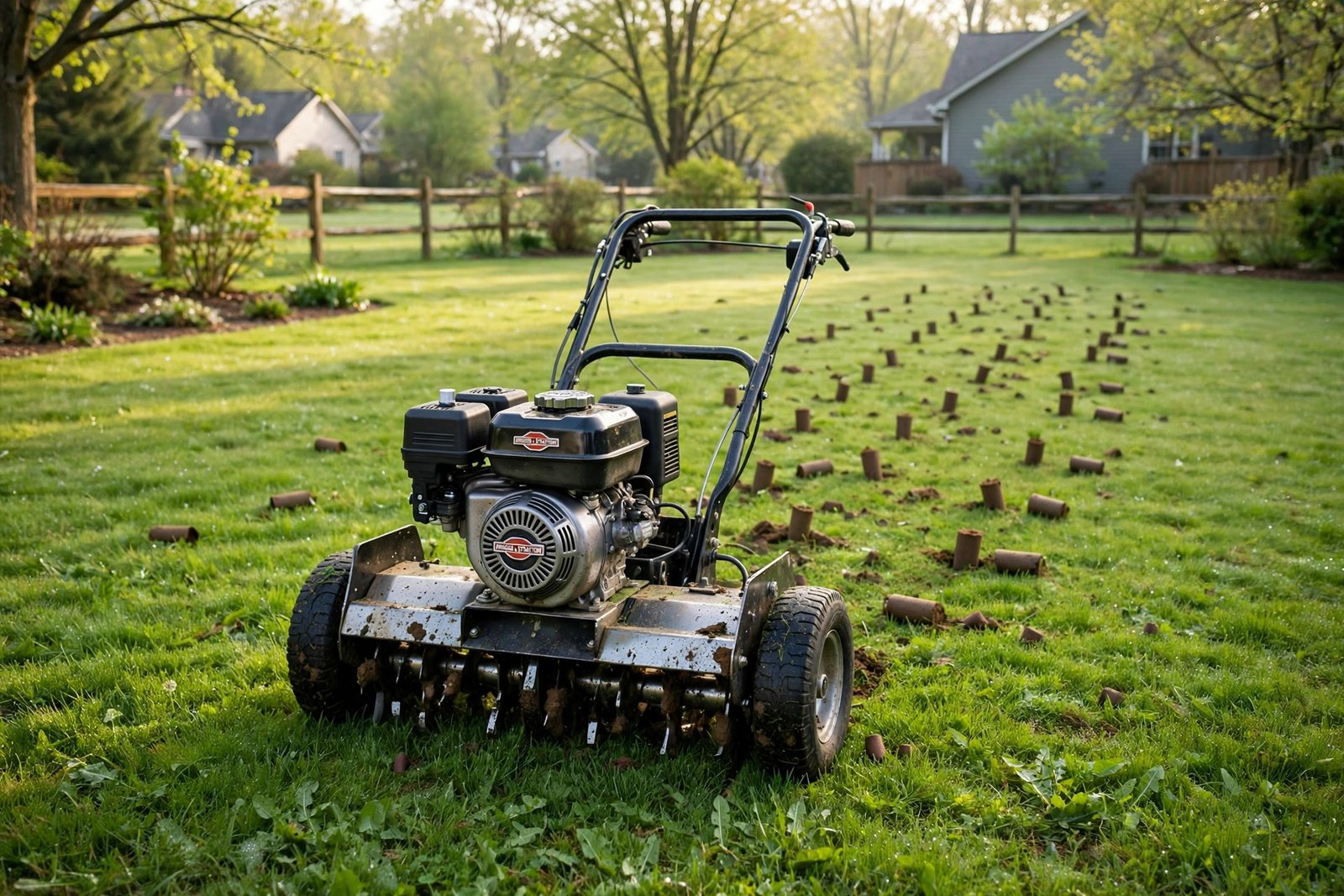
Whenever spring aeration is justified, aim for the stretch when the grass is growing steadily — not the first green week, and not the edge of summer heat. The soil should be moist enough that the machine pulls full cores 2 to 3 inches deep; Penn State Extension’s guidance on core aeration uses that depth, with hollow tines about half an inch across, as the standard that actually relieves compaction rather than scratching at it. Soil like concrete means wait for rain or water first. Soil like soup means wait for it to drain, because coring mud smears the holes shut behind the tines.
Leave the cores where they fall. They look untidy for a week or two, then break down and return their soil — and the microbes in it — to the surface, which is part of how the job pays off. Mow over them to speed the crumbling if the sight bothers you. If thatch, not compaction, is your lawn’s real problem, that is a different tool and a different day: dethatch or aerate first sorts the two apart before you rent anything.
Frequently asked questions
How do I know if my lawn is compacted enough to bother? Push a screwdriver into moist soil. If it slides in easily, compaction is not your problem. If you have to lean on it, it is — and water puddling after rain and grass thinning in traffic lanes say the same thing.
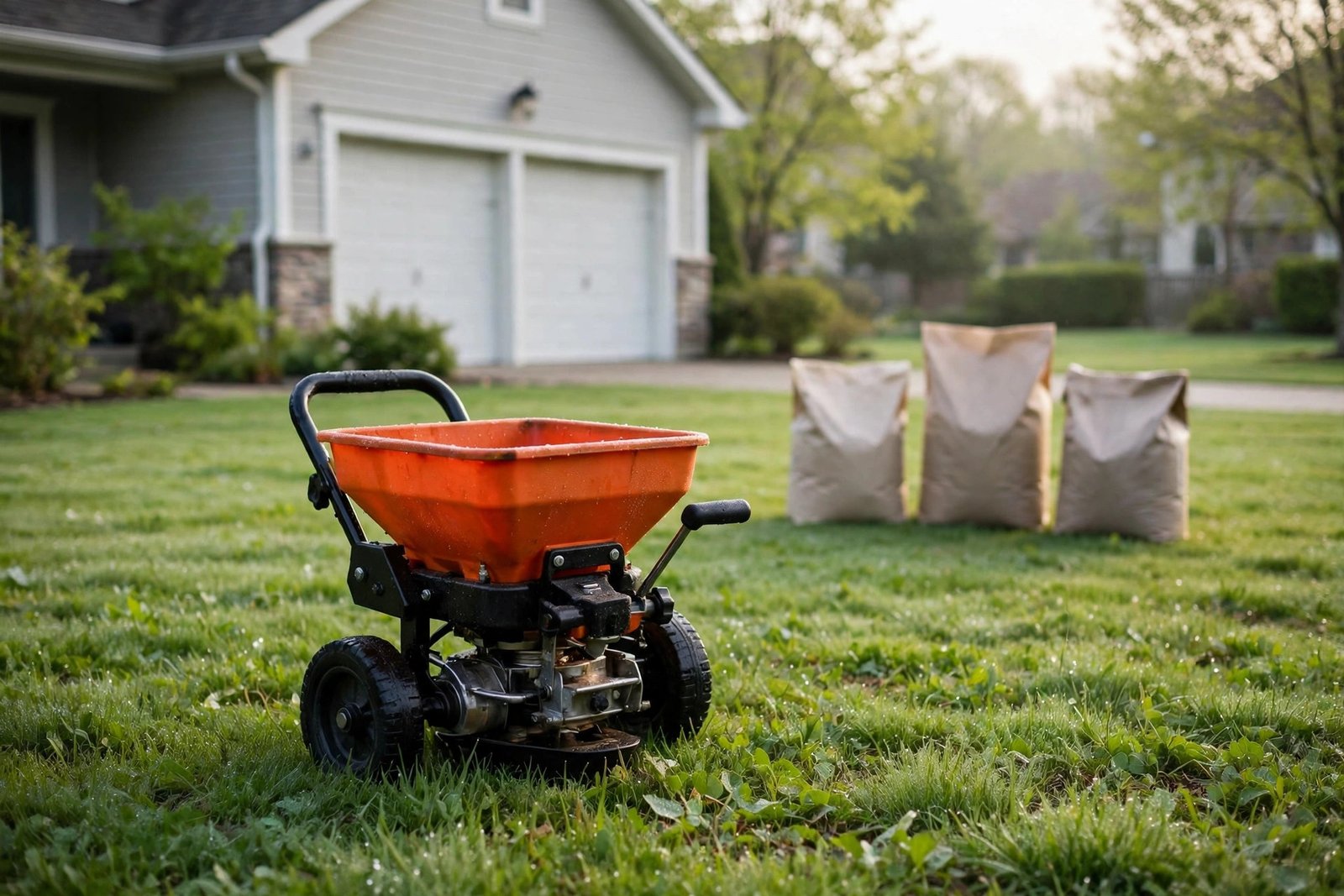
Can I aerate and apply pre-emergent in the same spring? Yes, in the right order: aerate first, then apply pre-emergent over the finished surface so the barrier forms unbroken. Aerating after the barrier is down breaks it.
How often does a lawn need this? High-traffic, clay-soil lawns may earn it yearly; most lawns do well every two to three years. The full frequency guide is in the best-time-to-aerate post linked above.
Aerate warm-season lawns in late spring without a second thought, aerate compacted cool-season lawns when the job is paired with seed, and let every other cool-season lawn wait for fall. Spring aeration is a repair with a short list of good reasons — if your lawn is not on the list, the machine can stay at the rental yard.