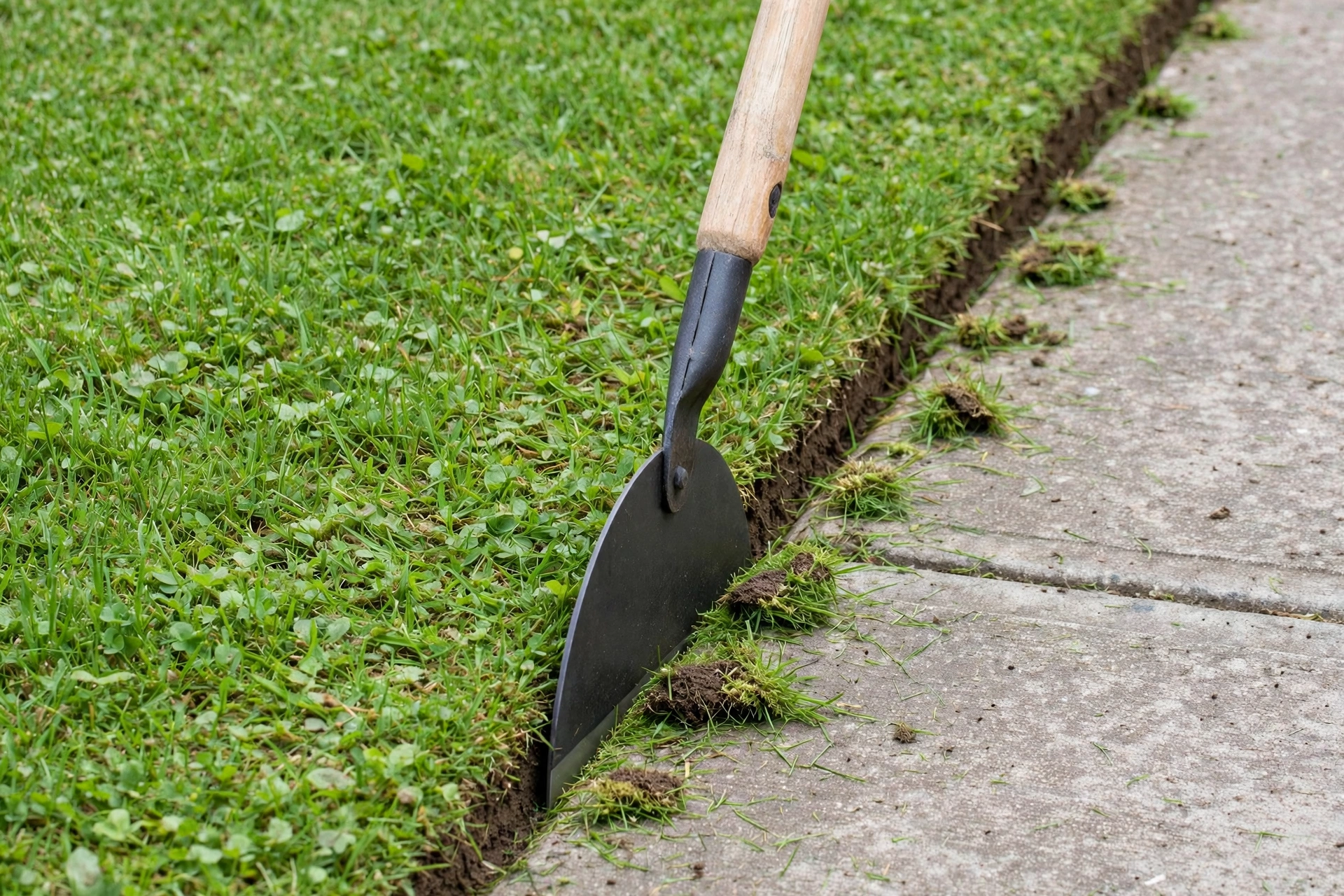
Your first yard tool should not need a mechanic on speed dial. That is the question underneath every “is Vevor good for beginners” search, and it is a better question than it looks, because the answer is not about the brand. It is about the tool. A simple electric edger from Vevor is a fine first purchase. A gas chainsaw from Vevor as a first chainsaw is a different story entirely, and the difference is what this article sorts out.
Vevor is a direct seller with a catalog of tens of thousands of tools, founded in 2007, and its whole proposition is price: the same kind of tool for far less than the name brands charge. For a beginner, that low price is genuinely useful, because the first tool you buy is often the tool that teaches you what you actually need. But the low price comes with a trade — there is no store to walk into, no counter to ask a question at, and no local repair shop. What you save in money, you pay in self-reliance. So the question is not whether Vevor is good for beginners. It is which Vevor tools a beginner can handle, and which ones need experience the price cannot buy.
Where Vevor helps a beginner
The best first Vevor tools are the simple ones. An electric edger, a walk-behind spreader, a storage bench, a set of hand tools — machines with one job, a handful of parts, and almost nothing to tune. If something goes wrong with a tool like that, the problem is usually obvious: a dull blade, a loose bolt, a dead battery. The 30-day return window is long enough to find out whether you bought a dud, and the 12-month warranty covers defects for a year. At half the price of the name-brand equivalent, a simple tool is a low-risk way to learn what you like using.
Price also lowers the cost of a wrong guess. A beginner does not yet know whether they want a corded or cordless edger, or whether a 44-inch sweeper is too big for their yard. Buying the cheaper version first means the lesson costs $60 instead of $200, and the tool still does the job while you learn. That is a real advantage, and it is the reason so many first-time buyers start with Vevor.
Where Vevor leaves a beginner on their own
The trouble starts with anything that has an engine. A gas chainsaw, a gas chipper, a gas post hole digger — these are machines that need fuel mix, carburetor care, pull-start technique, and occasional troubleshooting, and Vevor’s support for that is an email thread and a chat window. There is no local service center, and replacement parts for individual components are rarely sold, so a small failure can mean replacing the whole machine. A beginner with a gas tool that will not start is stuck in a way that a beginner with a dull electric edger is not.
Assembly is the other gap. Vevor tools often arrive in pieces, and the instructions can be thin — a diagram where a paragraph should be, a step that assumes you already know how the part fits. An experienced buyer shrugs and figures it out. A first-time buyer can spend an afternoon on a thirty-minute assembly, and the frustration colors the whole purchase. Before you buy anything that needs assembly, check whether the listing shows the assembled dimensions and weight, and whether the review count belongs to the exact size you are buying rather than the whole product family.
The beginner-safe list, and the skip list
Start here: electric lawn edgers, walk-behind spreaders, storage benches and sheds, hand tools, and simple garden equipment with no engine. These are the tools where Vevor’s price advantage is largest and the support gap matters least. If you want a specific recommendation, our Vevor vs Home Depot comparison lays out the trade-offs by retailer, and the best cordless lawn edgers roundup covers the electric tools that suit a first purchase.
Skip for now: gas chainsaws, gas chippers, gas-powered anything as a first engine, and any tool where the listing’s review count is pooled across a family of sizes with no way to tell what owners of your size actually said. If you need a gas tool, buy it where someone can show you how to start it — and read whether Vevor lawn and garden tools are worth it and is Vevor legit first, so you know what the warranty and the return window actually cover before the box arrives.
How to buy your first Vevor tool well
Buy one tool, not a whole shed. Pick the simplest version of the tool you need, in the exact size you need, and check three things before you pay: the review count belongs to your size, the return window is 30 days from delivery, and the warranty is the 12-month standard. Keep the box for those 30 days, and use the tool in the first week — a defect found on day 25 is a return, and a defect found on day 35 is a warranty claim. If the tool arrives damaged, photograph it before you assemble anything, and contact customer service with the photos ready; our guide to Vevor customer service for damaged deliveries and the warranty, returns, and shipping explainer cover the process in detail.
Bottom line
Vevor is good for beginners who buy simple tools and bad for beginners who buy complicated ones. Start with an electric tool, keep the box for 30 days, and use it in the first week. Save the gas engines for the second purchase, when you already know what a tool that works feels like — and by then, the money you saved on the first one will have paid for the lesson.