Landscape & Leisure is reader-supported. When you buy through links on our site, including Botanical Interests seed links, we may earn a commission at no extra cost to you. Prices change, so click through to confirm current pricing.
Two celery packets on the potting bench, and the choice between them is really a choice about patience. One is the tall, dark green heirloom gardeners have grown for generations, with a season so long it tests your planning. The other is a modern hybrid with pelleted seed and a finish line weeks closer.
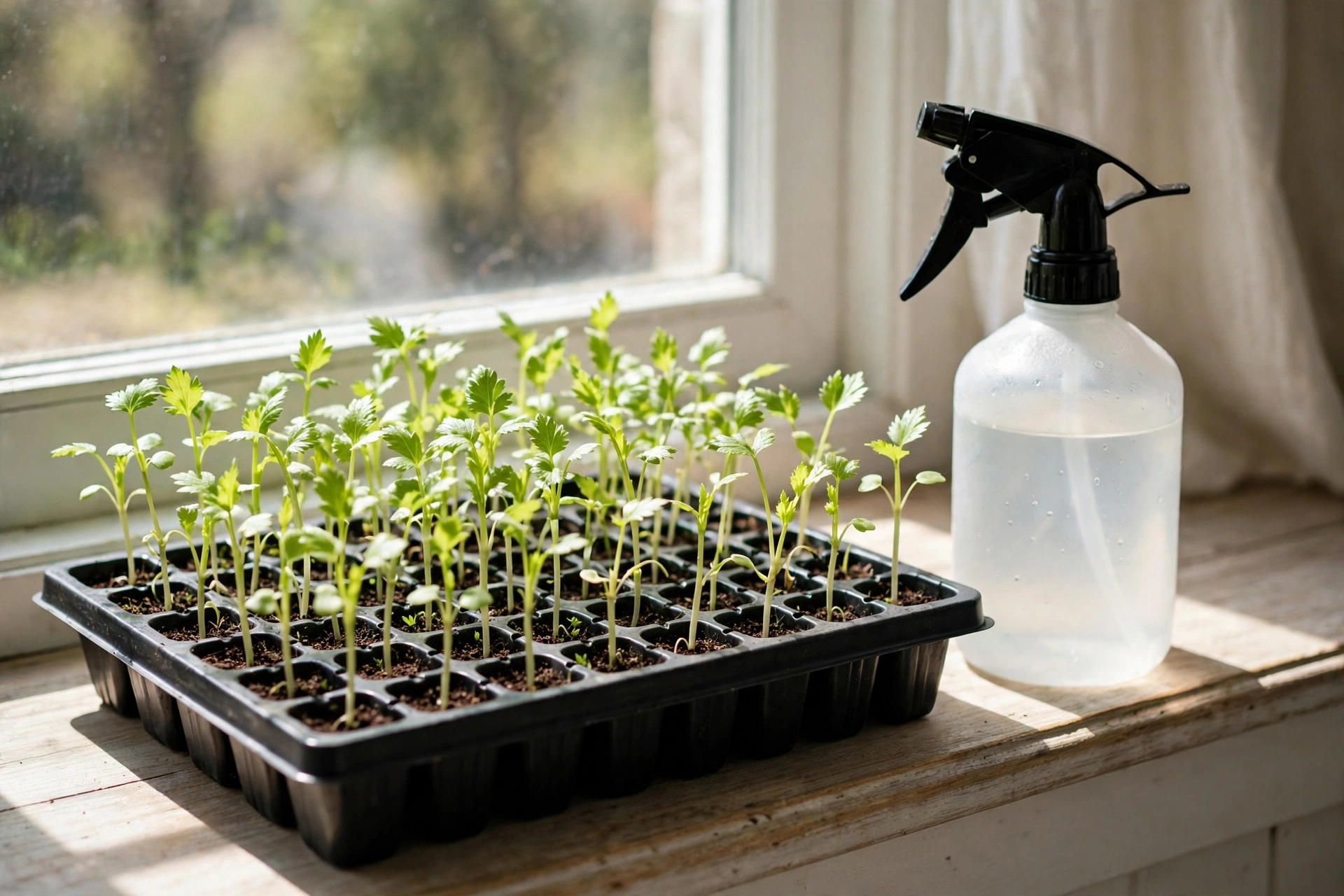
Celery asks more of you than most vegetables — an indoor start 10 to 12 weeks before your last frost, steady water all season, and a long wait for thick stalks. The variety you pick decides how that wait goes, so it is worth choosing with your season length in mind.
Our growing celery from seed guide covers the indoor start, the blanching, and the harvest in full. If you are also weighing the root form of this same plant, our celery vs. celeriac comparison settles that choice, and our beginner’s guide to starting seeds indoors covers the bench setup both varieties need.
Two Varieties, One Honest Difference
Botanical Interests carries exactly two celery varieties, and they are genuinely different tools. Utah is the classic stalk celery — tall, thick, and unhurried. Merengo is the hybrid built to make celery feel easier: pelleted seed you can actually handle, and stalks ready in 80 to 90 days instead of a season-long vigil.
The shared manners matter as much as the differences. Both are Apium graveolens, both want full sun to part shade, and both start indoors 10 to 12 weeks before the average last frost date, pressed into the surface of the mix because light helps the seed germinate. Both take a slow 15 to 30 days to emerge at an optimal 70° to 75°F, and both sulk if the soil dries out.
| Variety | Days to maturity | Spacing | Packet sows | Rating |
|---|---|---|---|---|
| Utah | 100–200 days | 1 every 6″ | Up to 93 feet | 4.6/5 (18 reviews) |
| Merengo | 80–90 days | 1 every 6″–12″ | Up to 20 feet | 3.5/5 (8 reviews) |
Best Overall: Utah Celery
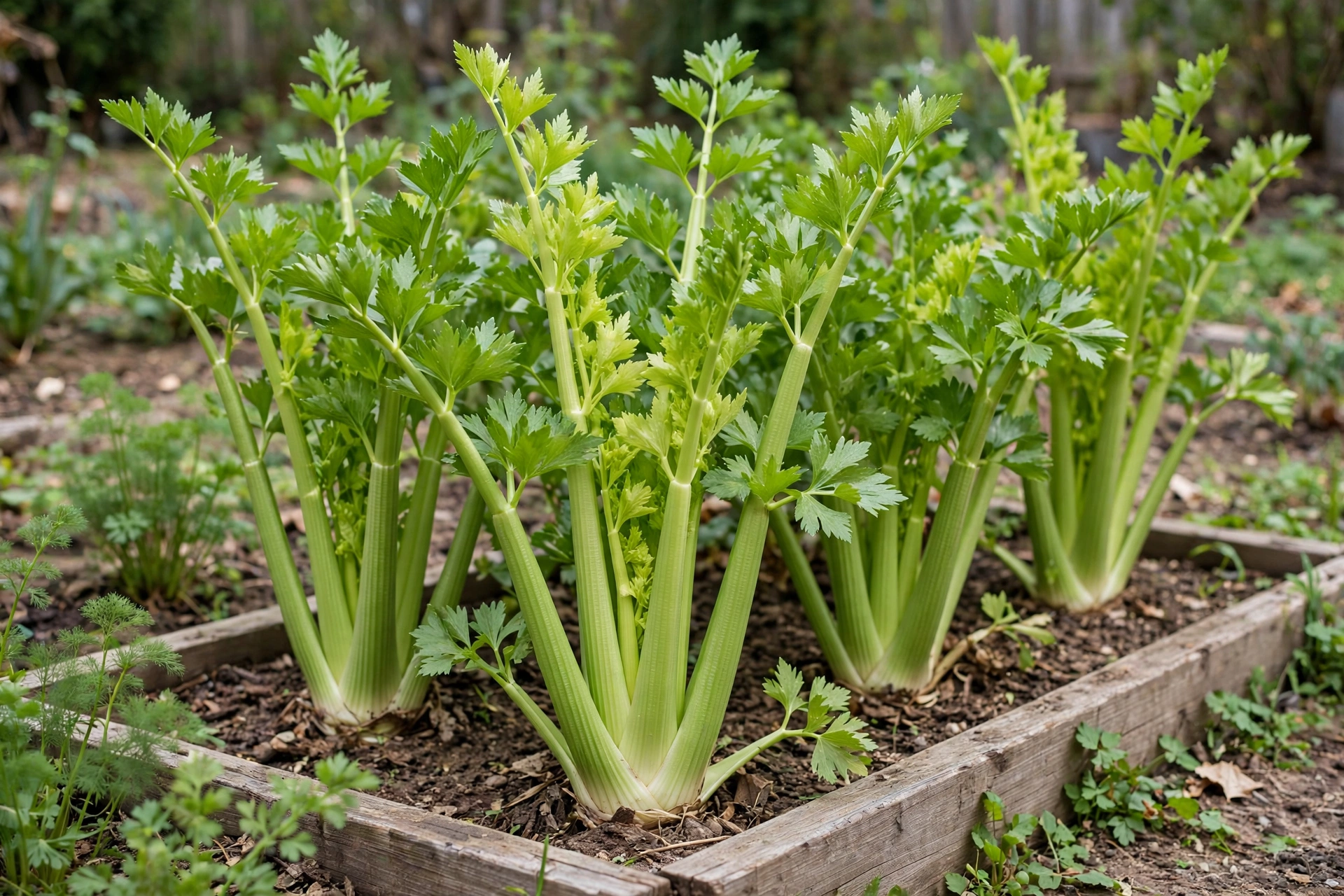
If you have the season for it, plant Utah. This is the celery most people picture — tall, dark green bunches with thick, smooth stalks — and it is the better-rated packet by a wide margin, at 4.6 out of 5 from 18 reviews for $2.69.
The trade-off is time, and it is a real one. Utah runs 100 to 200 days, the widest maturity window on this page, so a short-season garden needs every week of that early indoor start. In return you get flexibility at harvest: pull outer stalks once they reach 6 inches, or wait and cut the whole bunch when stalks reach 10 to 12 inches.
One packet sows up to 93 feet of row, thinned to one plant every 6 inches, which makes Utah the economical choice for anyone planting celery as a kitchen staple rather than a novelty. If the stalks taste bitter, two to three days in the refrigerator settles the flavor.
Pros: highest rating here, 4.6/5 from 18 reviews; $2.69 packet sows up to 93 feet; harvest stalk by stalk or as whole bunches; the classic thick, dark green stalk.
Cons: 100 to 200 days is the slowest finish on this page, so short seasons have no slack; direct sowing is recommended for mild climates only, so the indoor start is not optional up north.
Utah Celery Seeds
The classic tall, thick-stalked celery — best rated here, and one packet sows up to 93 feet.
Best for a Shorter Wait: Merengo Celery
Merengo is the celery for gardeners who looked at Utah’s 200-day top end and felt their season shrink. This hybrid finishes in 80 to 90 days, grows 10 to 30 inches tall with stalks 10 to 12 inches long and 4 inches wide, and its seed comes pelleted — a coating that makes celery’s dust-fine seed genuinely easy to handle and space.
Be clear-eyed about the rating, though. Merengo sits at 3.5 out of 5 from just 8 reviews, the lowest and thinnest record on this page, and the reviews split between gardeners who found it easy and gardeners whose seed never came up. Celery germination is slow and light-dependent with any variety, so the pelleting helps your spacing, not your patience.
It is also the pricier packet per foot of row: $2.79 on sale from $3.49, sowing up to 20 feet, thinned to one plant every 6 to 12 inches. What you are paying for is the shorter season and the easier sowing, and for a first celery planting in a short-summer garden, that trade can be the right one.
Pros: 80 to 90 days, by far the faster finish; pelleted seed is easy to see, handle, and space; full-size stalks, 10 to 12 inches long and 4 inches wide.
Cons: lowest rating here, 3.5/5 from 8 reviews, with germination complaints among them; packet sows up to 20 feet, far less row than Utah for similar money.
Merengo Celery Seeds
The faster hybrid — pelleted seed, 80 to 90 days, and stalks ready weeks ahead of Utah.
Worth Adding: Trays That Fit a 12-Week Head Start
Whichever variety you choose, the seedlings live indoors for 10 to 12 weeks, and that long residency is where flimsy trays fail — they crack at week eight, right when the plants are finally worth something. The Epic 6-Cell Trays are built far thicker than standard trays, with air-pruning slots and finger holes for popping seedlings out without tearing roots.
They rate 4.9 out of 5 from 579 reviews at $19.99, and twelve of them fit a single 1020 bottom tray. For a crop that occupies its cells longer than almost anything else on the bench, that durability is the whole argument.
Epic 6-Cell Seed Starting Trays
Sturdy trays that survive celery’s long 10 to 12 weeks indoors — 4.9/5 from 579 reviews.
What We Would Skip
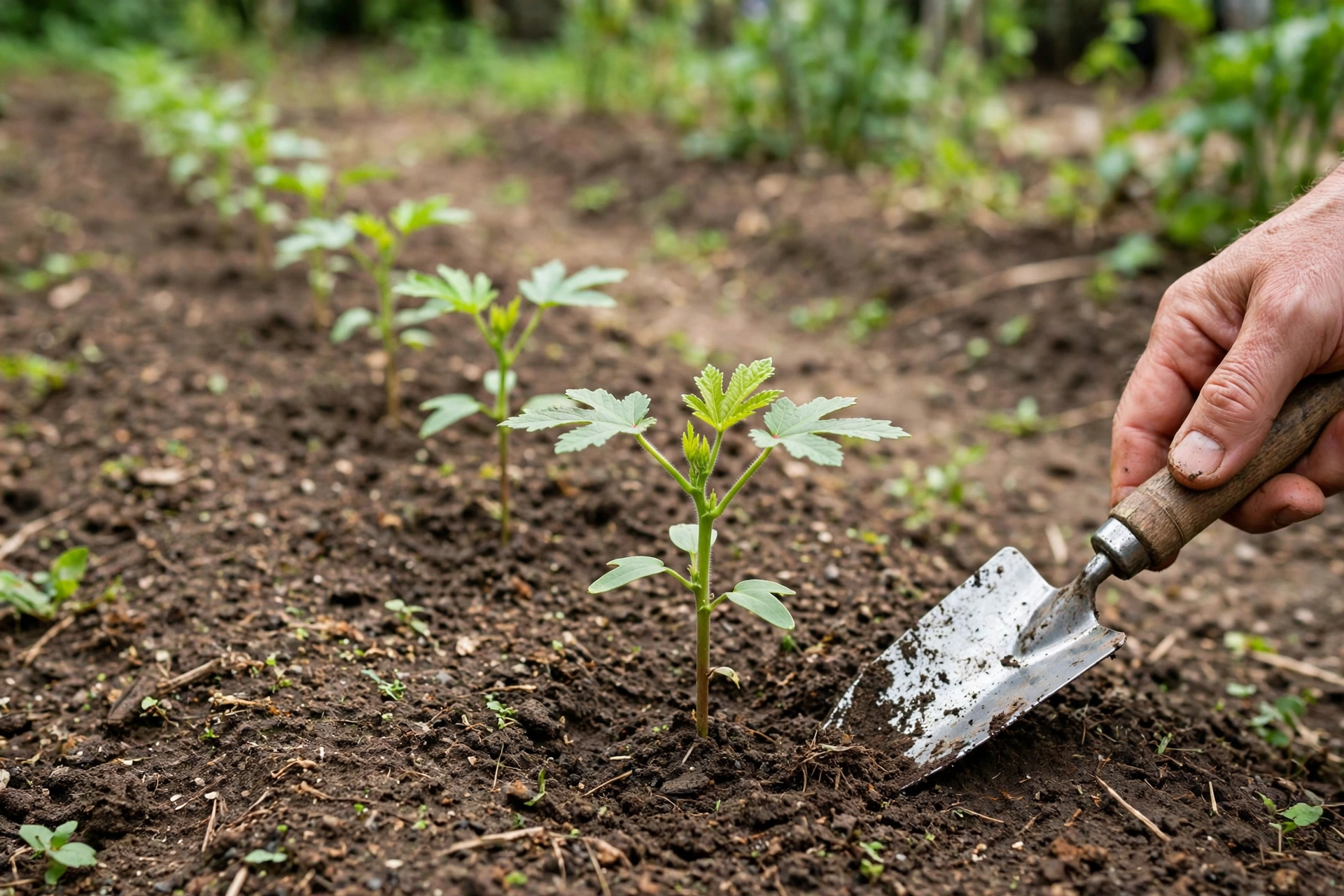
Skip direct sowing celery in a cold climate, whichever packet you buy. Both varieties list direct sowing for mild climates only, and seed pressed into cold spring soil mostly waits, washes, or rots while your season burns away. The other skip is the late start: celery sown indoors in April for a northern garden is a garnish, not a harvest. Start in late winter, or buy your stalks this year and start on time next year.
Bottom Line
Plant Utah if your season can carry it — it is the best-rated celery here, the cheapest per foot of row, and the bunch you will actually brag about at harvest. Plant Merengo if your summer is short or your sowing hand is unsteady, and accept its thinner review record as the price of finishing 80 to 90 days out. Either way, the packet decision is the easy part; the indoor start date is the one that decides your harvest.