Landscape & Leisure is reader-supported. When you buy through links on our site, including Botanical Interests seed links, we may earn a commission at no extra cost to you. Prices change, so click through to confirm current pricing.
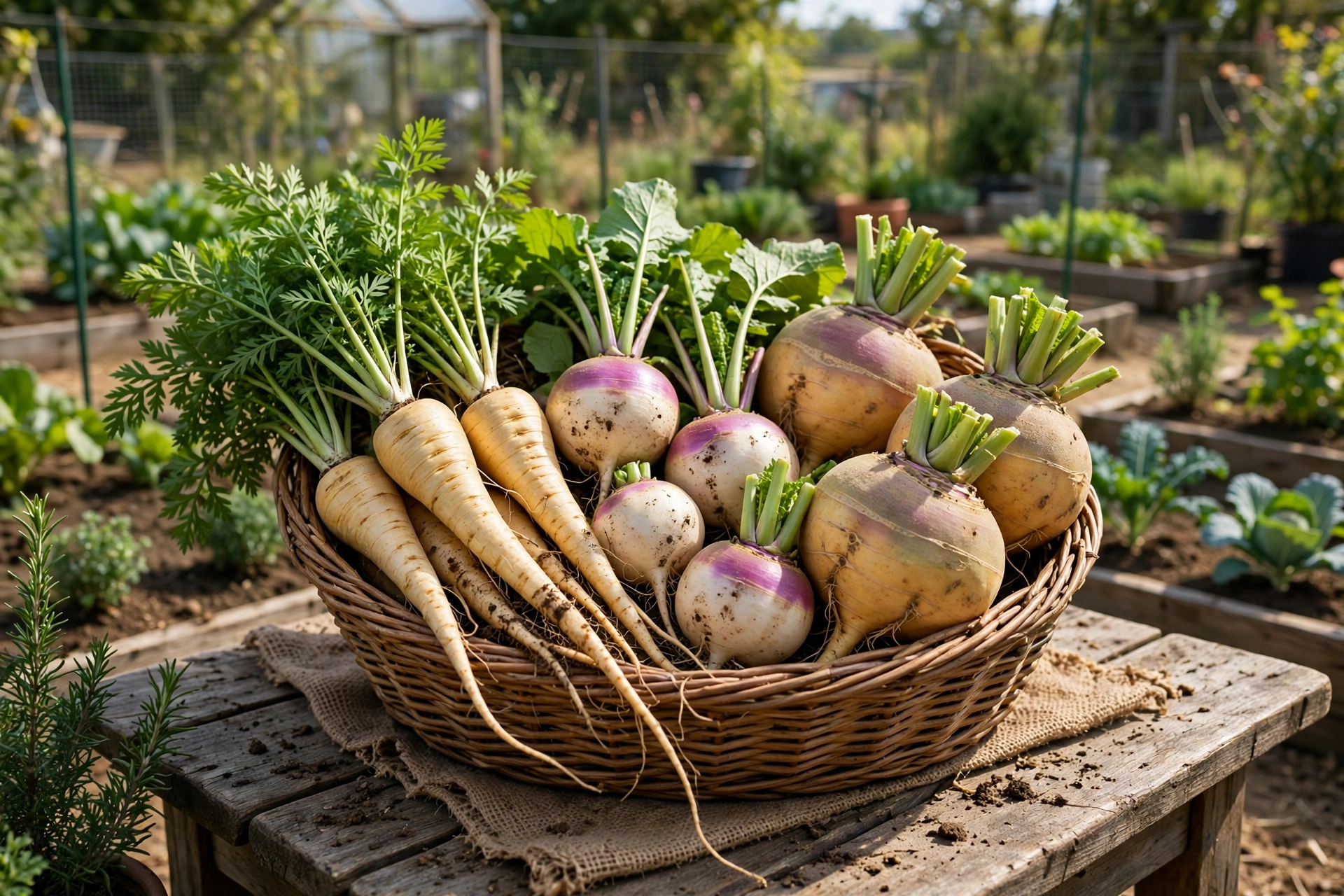
You want roots in the ground that will still be feeding you when the first frost hits — sweet parsnips, quick turnips, a rutabaga that stores like a potato. The trick is that these three roots run on three different clocks, and the packet you grab first decides whether dinner lands in a month or in four.
Parsnips are the long game here: 95 to 125 days, sown in late spring for a harvest after frost, when cold turns their starch to sugar. Turnips are the opposite — a baby root in 30 days, a full one in 40. Rutabaga sits between them at 80 to 120 days, and it is the one that keeps longest once it is out of the ground. For the planting itself, see our guide to growing parsnips and turnips, and if your parsnips never sprout or come up forked, see why parsnips won’t germinate — and forked roots, fixed.
Best Overall: All American Parsnip
All American is the parsnip to plant first, and it earns that on the strength of its record: a 4.3 rating from 16 gardeners, the most reviews of any parsnip here, and a variety that thickens early — in as little as 95 days, the fastest parsnip in this roundup. The roots run creamy-white and tapered, up to 12 inches long with shoulders up to 3 inches across, and the flavor is sweet and distinctive enough for soups, stews, mashing, and roasting.
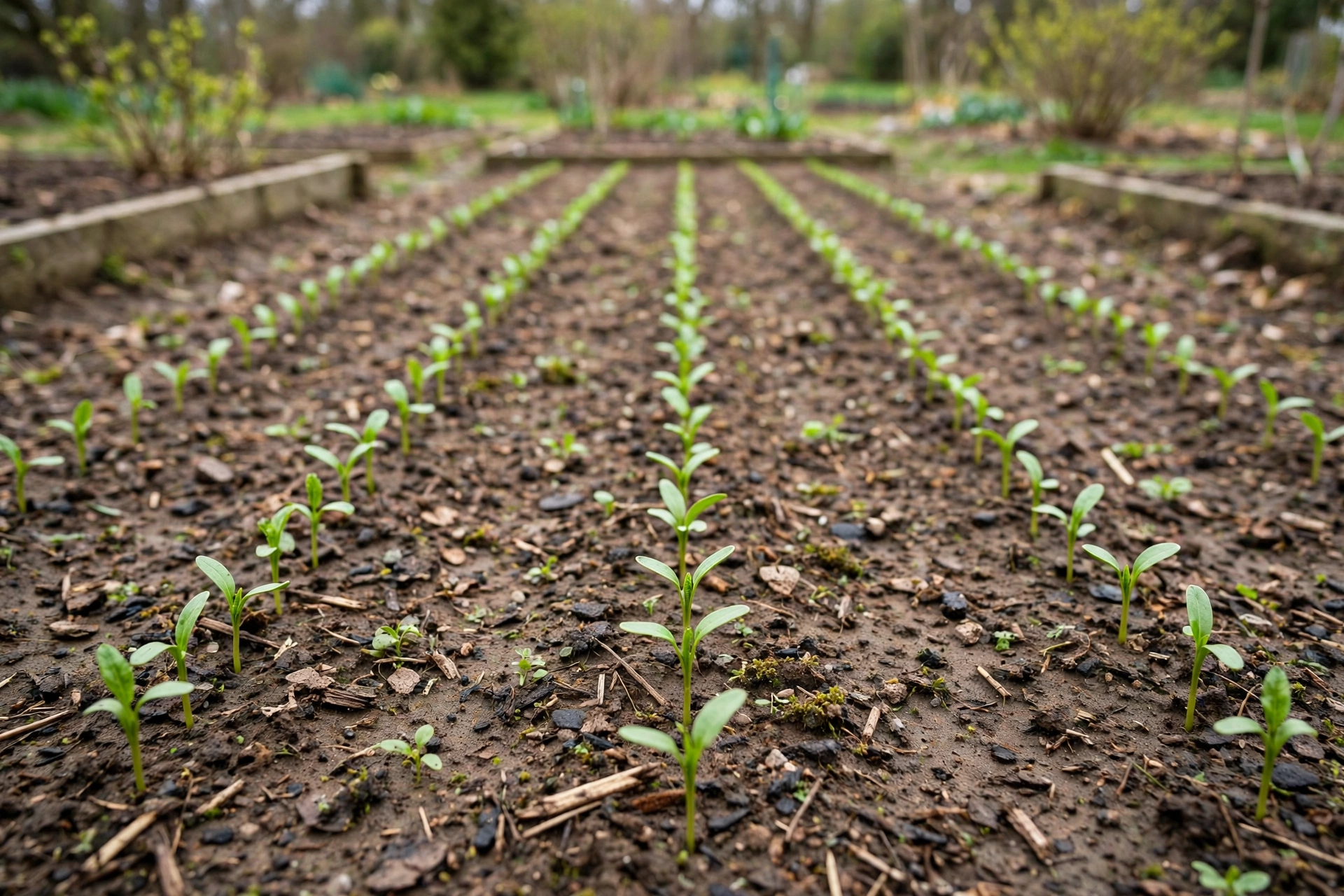
The trade-off is the wait, and it is a real one. Germination takes 10 to 25 days, so you will be staring at bare dirt for weeks wondering if anything is happening — and the seed wants soil between 50 and 70 degrees, sown in late spring or early summer, about four months before your average first fall frost. One packet sows up to 28 feet, the most generous coverage here, which softens the patience the variety asks for.
Pros: most-reviewed parsnip here at 4.3 from 16 reviews; thickens early, in as little as 95 days; roots up to 12 inches long; one packet sows up to 28 feet.
Cons: germination takes 10 to 25 days — the slowest start here; needs four months of growing season before the first fall frost.
All American Parsnip Seeds
The most-reviewed parsnip here, thickening early with roots up to a foot long — the main-crop parsnip.
Runner-Up: Javelin Parsnip
Javelin is the parsnip for the gardener who has lost a crop before. It carries a perfect 5.0 rating — on only 3 reviews, so read it as encouraging rather than proven — and its real claim is excellent canker resistance, which matters if you plan to leave roots in the ground through winter. It is a hybrid with creamy-white, tapered roots up to 10 inches long, and a distinctly sweet flavor that cold weather only improves.
The trade-off is the small packet and the long season. One packet sows only 5 feet, the shortest coverage here, so a full row costs more than one packet. And at 110 days it needs an early start — sow late spring or early summer, and resist the urge to harvest until after the first frost, when the sweetness peaks. Soak the seed for 12 to 24 hours before sowing, and tuck a few fast-sprouting radish seeds into the row to mark it while the parsnips take their time.
Pros: excellent canker resistance for roots left in the ground longer; perfect 5.0 gardener rating; sweet flavor that improves after frost.
Cons: only 3 reviews behind that perfect rating; one packet sows just 5 feet; 110 days, so it needs an early start.
Javelin Parsnip Seeds
A canker-resistant hybrid with a perfect gardener rating — the parsnip to plant when you have lost one before.
Best for Fast Harvest: Market Express Turnip (White Lady)
White Lady is the impatient gardener’s root, and it does not apologize for it. This Japanese salad turnip is pure white and mild, with a smooth texture and a slightly sweet, fruity flavor, and it is ready as a 2-inch baby turnip in only 30 days — full size, 4 to 5 inches across, in 40. The dark green tops are good eating too, and you can take up to a quarter of the leaves at a time without slowing the roots.
The trade-off is the harvest window. Pick them small and they are tender enough for salads and crudité; let them grow past 5 inches and the quality drops for raw eating, though they are still fine cooked. Sow two to four weeks before your last frost, in soil at least 50 degrees and ideally 65 to 80, and sow again every two weeks up to eight to ten weeks before your first fall frost — the packet is built for succession, not for one big sowing.
Pros: baby turnips in 30 days, full size in 40 — the fastest root here by months; mild, sweet flavor, good raw or cooked; edible greens; sow again every two weeks.
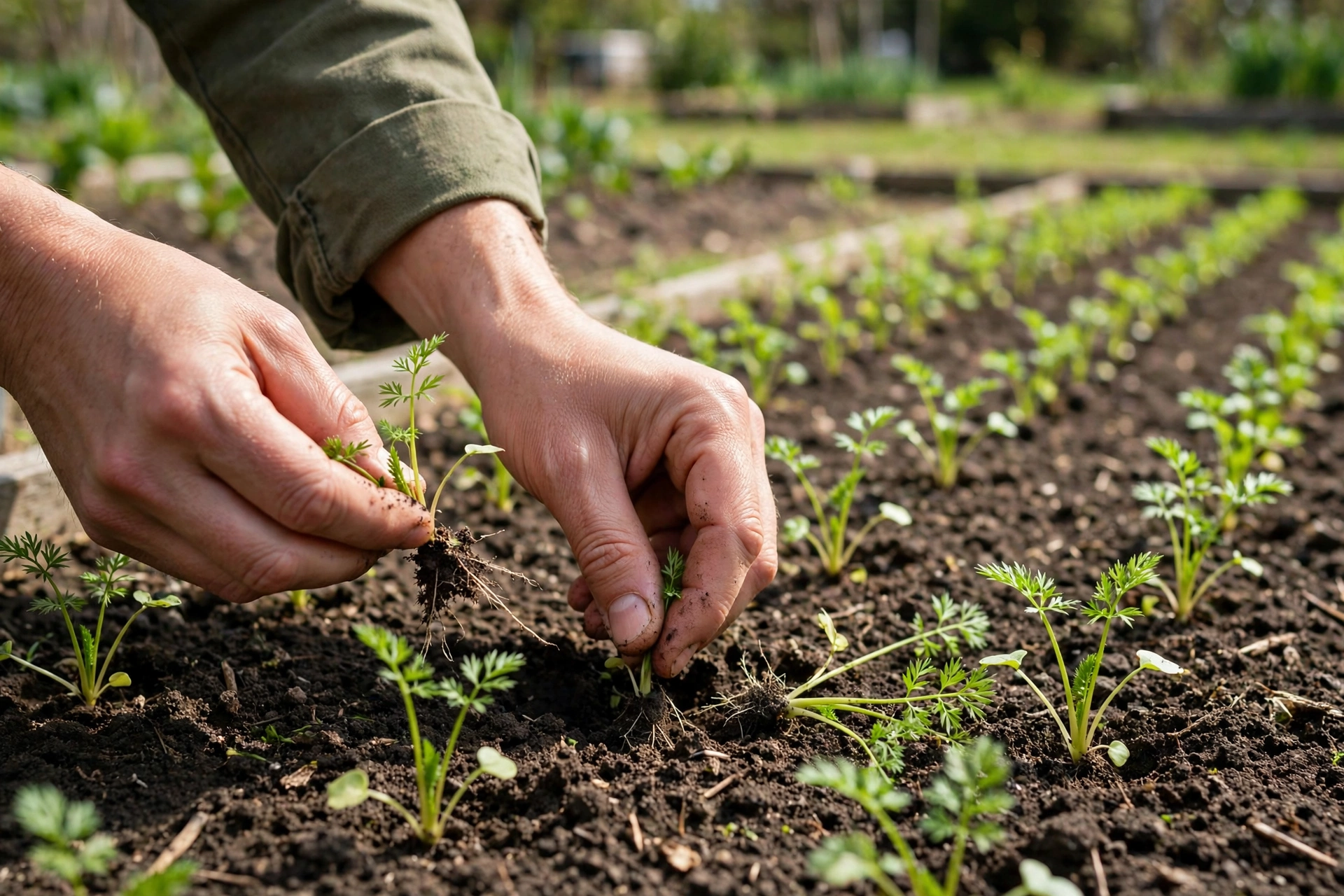
Cons: quality drops for raw eating once roots pass 5 inches; needs thinning to one plant every 4 to 6 inches or the roots stay small.
Market Express Turnip Seeds (White Lady)
A mild Japanese salad turnip ready in a month — the fast root to sow while the parsnips take their time.
Best for Storage: American Purple Top Rutabaga
American Purple Top is the root for the pantry, not the plate tonight. It grows a 4- to 6-inch root with a sweet, mellow flavor — mash it just like potatoes, chunk it into soups and stews, or bake it into casseroles — and even the tops are edible as sautéed greens. Rutabagas develop their best flavor in cool weather, which makes this an ideal fall crop, and it is a great storage crop once it is out of the ground.
The trade-off is the calendar. At 80 to 120 days to maturity, it is the longest clock in this roundup after the parsnips, so count back from your first fall frost and sow so the roots size up as the weather cools. Give it room, too: crowded rutabagas grow big tops and skinny roots, so thin to about 6 inches apart and let the roots reach 3 to 5 inches across before you pull them.
Pros: sweet, mellow flavor that improves in cool weather; a great storage crop; roots and tops both edible; 4.7 from 14 gardener reviews.
Cons: 80 to 120 days — the longest wait after the parsnips; crowded plants grow skinny roots, so thinning matters.
American Purple Top Rutabaga Seeds
A sweet, mellow root that stores like a potato and tastes best after cool weather — the fall pantry pick.
The One to Skip: Purple Top White Globe Turnip
Purple Top White Globe is the classic turnip — the one that fed people for thousands of years, the one whose hollowed-out shell with embers inside gave the Irish the idea for the Jack O’Lantern. Gardeners rate it 4.9 from 16 reviews, the highest rating in this whole group, and at 50 days it is a quick, reliable root that stores particularly well. The problem is not the seed. It is the shelf: Purple Top White Globe is sold out, so there is no packet to buy. When it is back in stock it is the turnip to buy first — but until then, White Lady covers the same ground and gets there faster.
Side-by-Side Comparison
| Variety | Days to maturity | Root size | Best for | Gardener rating |
|---|---|---|---|---|
| All American Parsnip | 95–125 days | Up to 12″ long | Main-crop parsnips | 4.3 / 16 |
| Javelin Parsnip | 110 days | Up to 10″ long | Canker resistance | 5.0 / 3 |
| Market Express Turnip (White Lady) | 30–40 days | 2″–5″ across | Fast harvest, salads | 4.7 / 21 |
| American Purple Top Rutabaga | 80–120 days | 4″–6″ long | Storage, fall flavor | 4.7 / 14 |
Bottom Line
If you plant one root from this group, plant All American parsnips — the most-reviewed parsnip here, the earliest to thicken, and the sweetest payoff once frost has done its work. Sow White Lady turnips alongside them so you have something to eat in a month while the parsnips take their four. Add American Purple Top rutabaga for the pantry, and reach for Javelin if canker has ever cost you a crop. That is the whole plan: one slow root, one fast root, one storing root — and a frost to finish them.