This post contains affiliate links. We may receive a commission if you make a purchase after clicking on one of these links.
Your lawn stays pale no matter how much fertilizer you spread, and the thin patch by the drive keeps thinning, because the soil underneath is working from different numbers than the bag assumes.
A soil test replaces the guessing. It tells you the pH, which controls whether grass can use the nutrients already in the ground, and it tells you which nutrients are actually short, so the next bag you buy is the one the lawn needs. The kits below split into two kinds: mail-in lab tests that measure a full panel, and an at-home capsule kit that gives you a fast read on the basics.
Best soil test kits for lawns, at a glance
| Pick | Type | What it measures | Turnaround |
|---|---|---|---|
| MySoil Soil Test Kit | Mail-in lab test | 13 nutrients plus pH | Results in 6–8 days |
| Soil Savvy Soil Test Kit | Mail-in lab test | 14 nutrients plus pH | Mailed lab results |
| Luster Leaf Rapitest 1601 | At-home capsule kit | pH, nitrogen, phosphorus, potassium | Results in minutes |
Best overall: MySoil Soil Test Kit
Most lawns that underperform are not starving for everything. One nutrient is low, or the pH has drifted far enough that the grass cannot reach what is already there, and a broad panel is what separates those two problems.
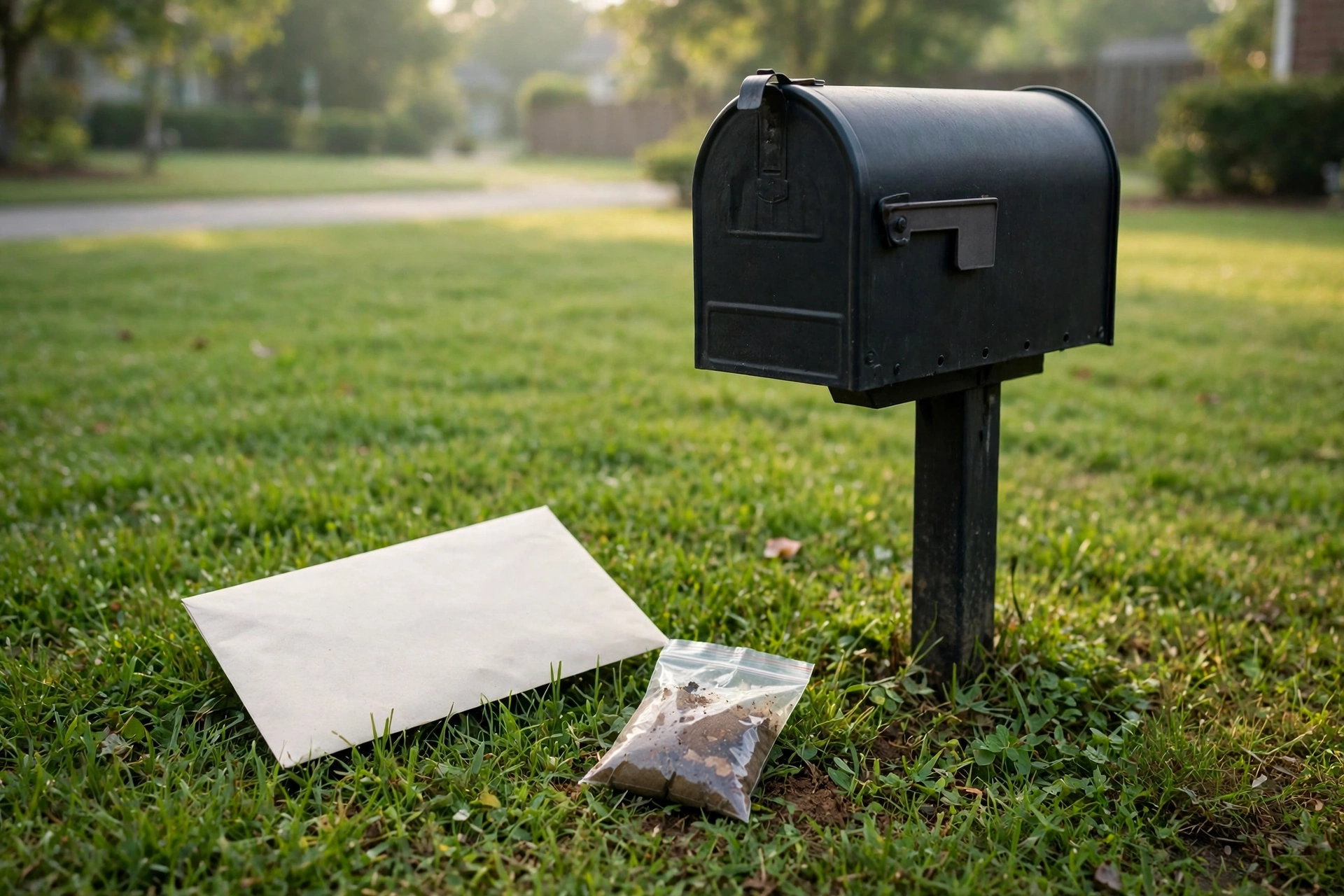
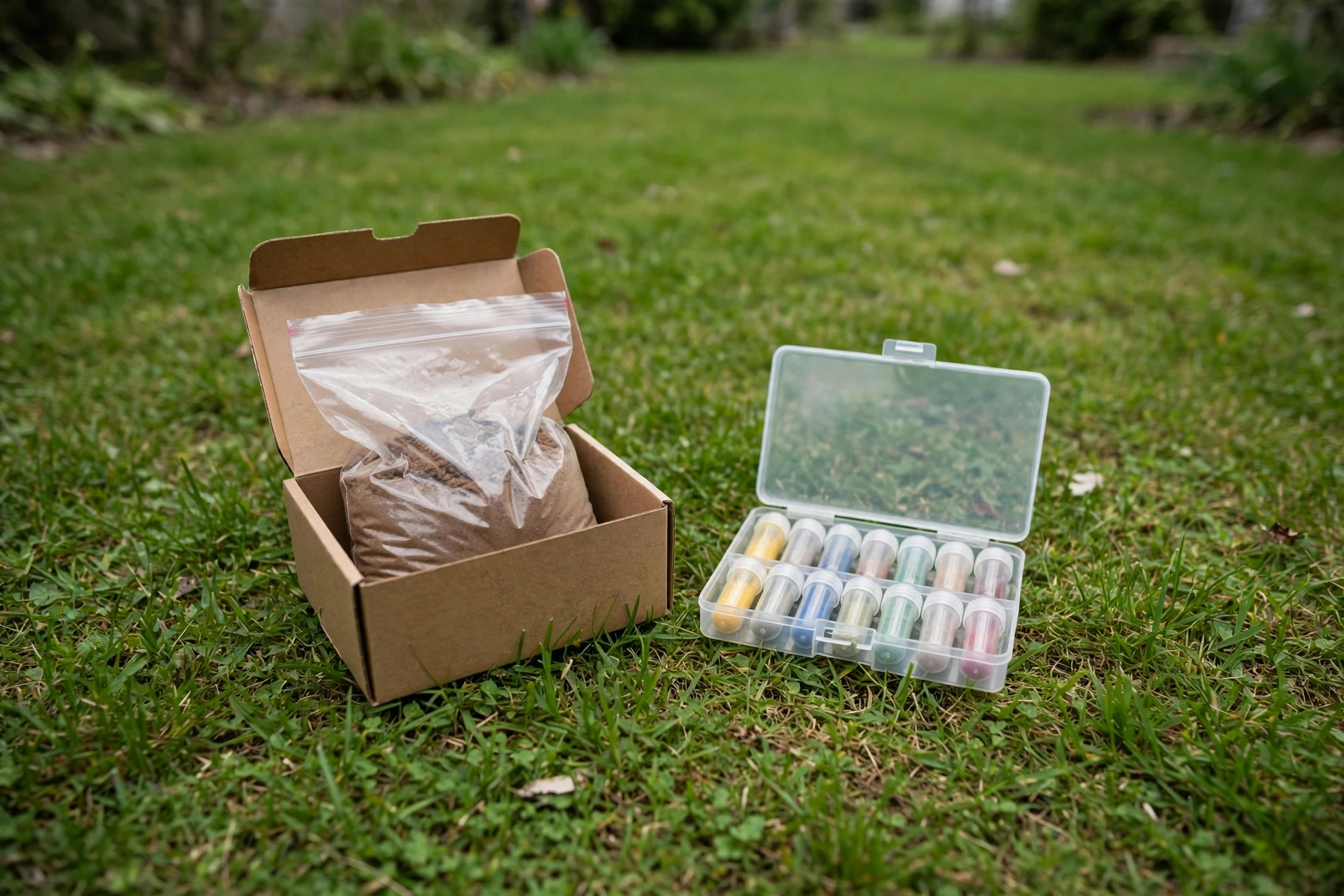
MySoil measures 13 nutrients plus pH from a sample you collect and mail in the prepaid envelope included in the box. Results come back in 6–8 days with a fertilizer recommendation matched to the readings, so you get both the diagnosis and a concrete next step in one report.
The trade-off is patience and price per test. You wait about a week while an at-home kit answers the same afternoon, and because each box covers one sample, a yard with very different front and back sections needs two boxes to read both honestly.
Pros
- Full 13-nutrient panel plus pH from a laboratory analysis
- Prepaid return envelope included, so mailing the sample takes no extra trip or postage
- Results in 6–8 days with a fertilizer recommendation tied to your numbers
Cons
- One sample per box, so mixed yards need more than one kit
- No same-day answer when you are standing in the aisle deciding today
MySoil Soil Test Kit
Mail-in lab test for 13 nutrients plus pH, with results in 6–8 days and a prepaid envelope.
Runner-up: Soil Savvy Soil Test Kit
If you want the widest panel on this page, Soil Savvy edges ahead on count. Its mail-in lab test covers 14 nutrients plus pH, and the report pairs those readings with a custom fertilizer recommendation rather than leaving you to translate the numbers alone.
That extra guidance is the reason to choose it. A first-time tester who has never read a report gets a recommendation written for their own soil, while a gardener who already reads reports comfortably may prefer MySoil’s faster stated turnaround.
Pros
- Widest panel here: 14 nutrients plus pH
- Custom fertilizer recommendation built from your results
- Mail-in lab method, so the readings carry lab precision
Cons
- Still a mail-and-wait process, with no instant reading at home
- One sample per kit, the same limit as every mail-in option
Soil Savvy Soil Test Kit
Mail-in lab test for 14 nutrients plus pH, with a custom fertilizer recommendation.
Best at-home: Luster Leaf Rapitest 1601
Sometimes the question is smaller. The lawn looks off, you suspect the pH, and you want a directional answer before the weekend is over rather than a full panel next week.
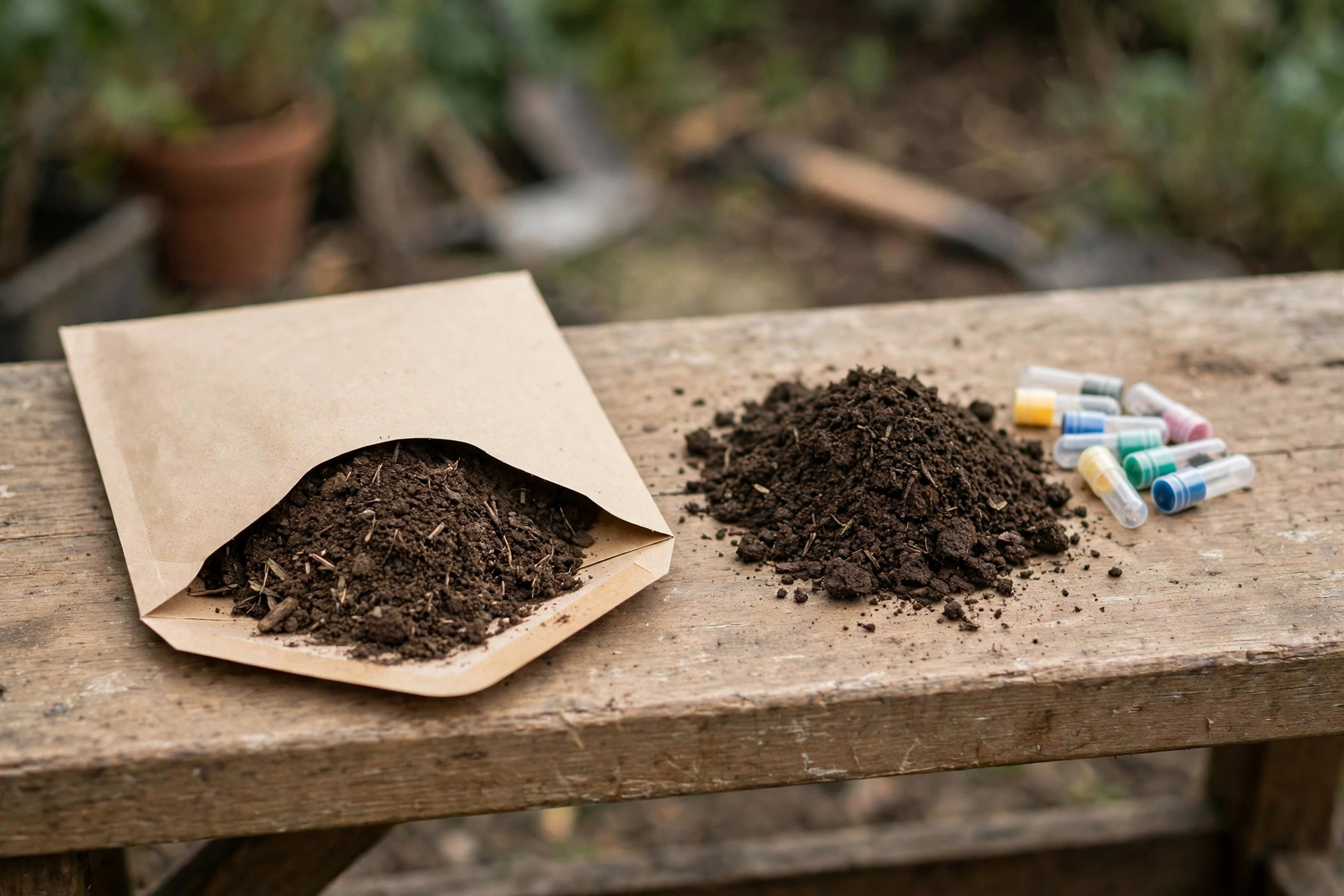
The Rapitest 1601 answers that narrower question at the kitchen counter. The box holds 40 tests — 10 each for pH, nitrogen, phosphorus, and potassium — using color-change capsules you compare against the included chart, with results in minutes instead of days.
Color matching is a reading, not a measurement. Two people can land half a step apart on the same sample, and the kit reports broad levels rather than the precise figures a lab returns, so treat it as a screening tool that tells you whether a lab test is worth ordering.
Pros
- 40 tests in the box: 10 each for pH, nitrogen, phosphorus, and potassium
- Results in minutes, with no mailing and no waiting
- Lowest cost per test of the three picks, so retesting through the season stays cheap
Cons
- Color-chart readings are approximate, especially between chart steps
- Covers four measures only, with none of the micronutrients a lab panel reports
Luster Leaf Rapitest 1601
40 capsule tests for pH, nitrogen, phosphorus, and potassium, with results in minutes.
Not recommended: cheap 3-in-1 probe meters
The probe meters sold for a few dollars promise pH, moisture, and light from two metal prongs pushed into the soil. Skip them for any fertilizer decision.
A probe cannot measure nutrients at all, so the nitrogen, phosphorus, and potassium questions go unanswered no matter how the dial moves. Its pH readings also drift as the prongs corrode and as soil moisture changes, which means the same patch can read differently on two mornings — and a lime or sulfur decision built on a drifting number can push your pH the wrong way.
How a good test starts: the sample
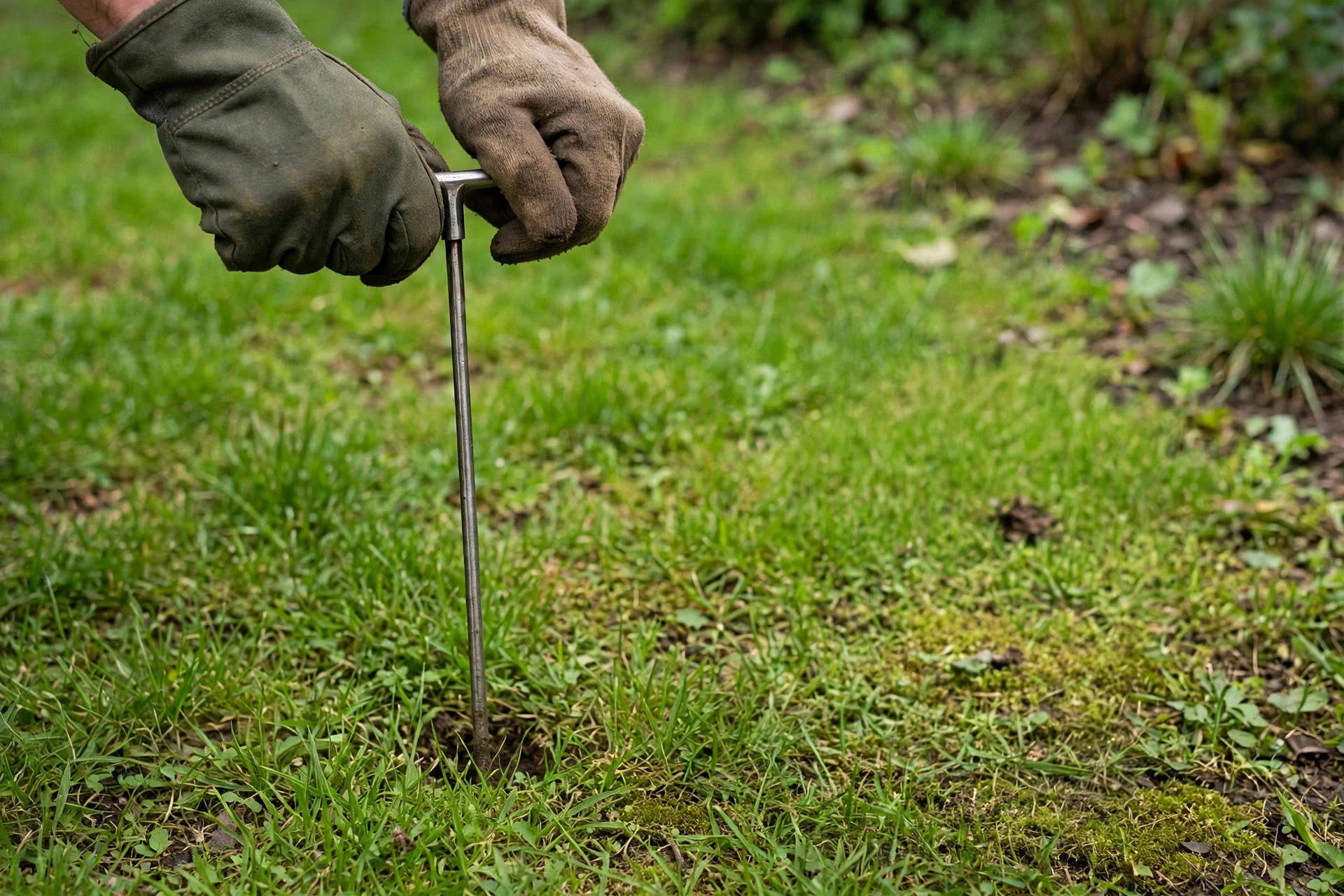
Every kit on this page reads the sample you send or mix, so collection matters more than brand. Pull 10–15 small cores from across the lawn, mix them together, and test the blend, because one scoop from one corner describes that corner only. Our step-by-step on how to take a soil sample for a lawn test walks through depth, pattern, and the spots to avoid.
When the report arrives, our guide to how to read a lawn soil test report translates the bars and numbers into decisions. If you are still weighing the two methods, lab soil test vs at-home soil test kit sets out which results hold up for which decision.
What to do with the results
Most lawns grow best between pH 6.0 and 7.0. Below that range, phosphorus and other nutrients get locked up even when the soil holds plenty, which is why correcting pH often matters more than adding fertilizer.
If your report calls for a pH change, the soil pH amendment calculator turns the target into pounds of lime or sulfur for your lawn’s size. Once pH is settled, the fertilizer calculator works out how much product your lawn actually needs, so the recommendation on the report becomes a spreader setting instead of a guess.
How often should you test?
Once is a snapshot, and soil moves slowly enough that a snapshot lasts a while. For an established lawn, a lab test every two to three years catches pH drift and nutrient slide before either shows up as thin, pale grass.
Test sooner when something changes the soil’s inputs: a newly built home with fresh fill, a season of heavy amendment, or a lawn that stops responding to fertilizer it used to love. Fall and early spring are the practical windows, because the results arrive in time to lime, amend, and choose the season’s fertilizer with the report open on the counter.
Bottom line
Order the MySoil kit if you are making real decisions this season — lime, sulfur, or a fertilizer change — because its 13-nutrient lab panel and 6–8 day turnaround give you numbers you can act on. Keep the Rapitest on the shelf for quick pH checks between lab tests, and leave the probe meters on the store rack.