Let’s dig into my November garden journal — the honest version, with the wins and the misses side by side. Keeping a notebook by the back door has changed how I garden, because November is the month that tells you the truth about everything you did in September and October. Here’s what worked, what didn’t, and what I’m carrying into December.
What Worked
The overseeding filled in. Those bare patches by the walkway that looked hopeless in September are green now, and the trick was simpler than I expected. I loosened the soil first so the seed could actually touch it, scattered the seed thick, and kept it damp for two weeks. If your lawn has thin spots too, aerating before you overseed makes all the difference — the seed falls into the holes instead of sitting on top waiting for a bird to find it.
The mulch went on in time. I tucked the beds in with three inches of shredded bark before the first real cold snap, and the soil underneath is still soft when I poke it. Work smarter, not harder: mulch now, and you skip a whole round of weeding in spring.
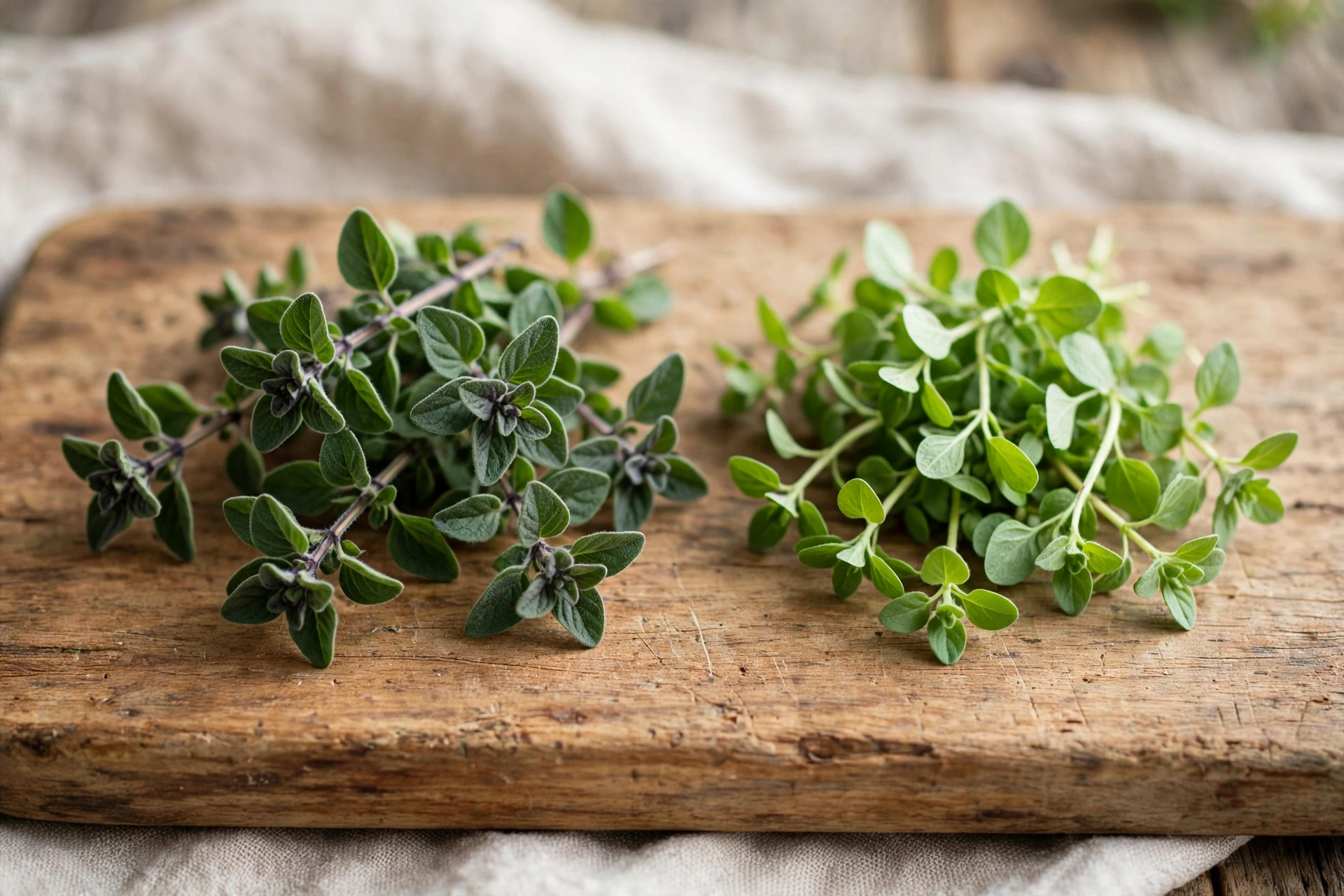
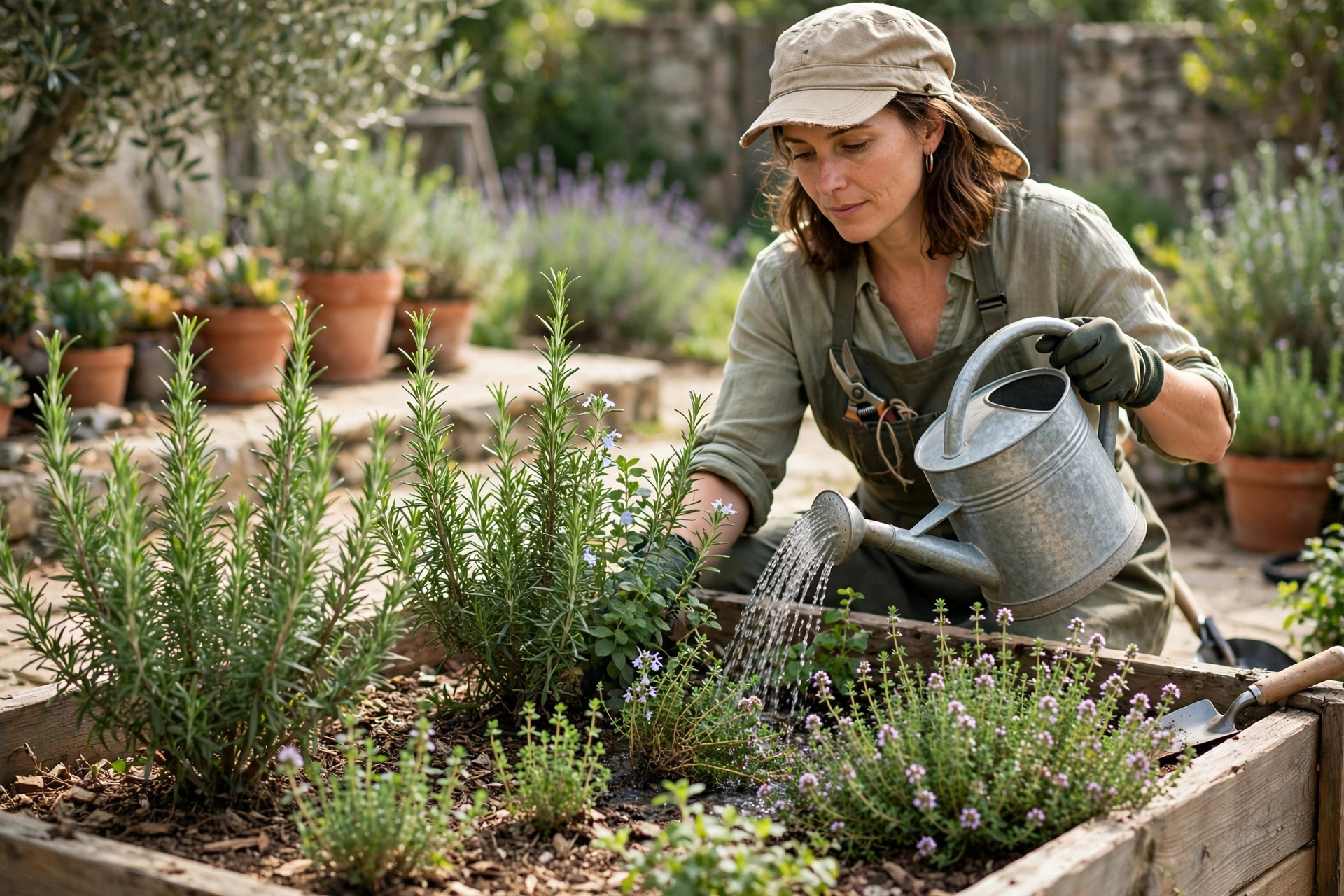
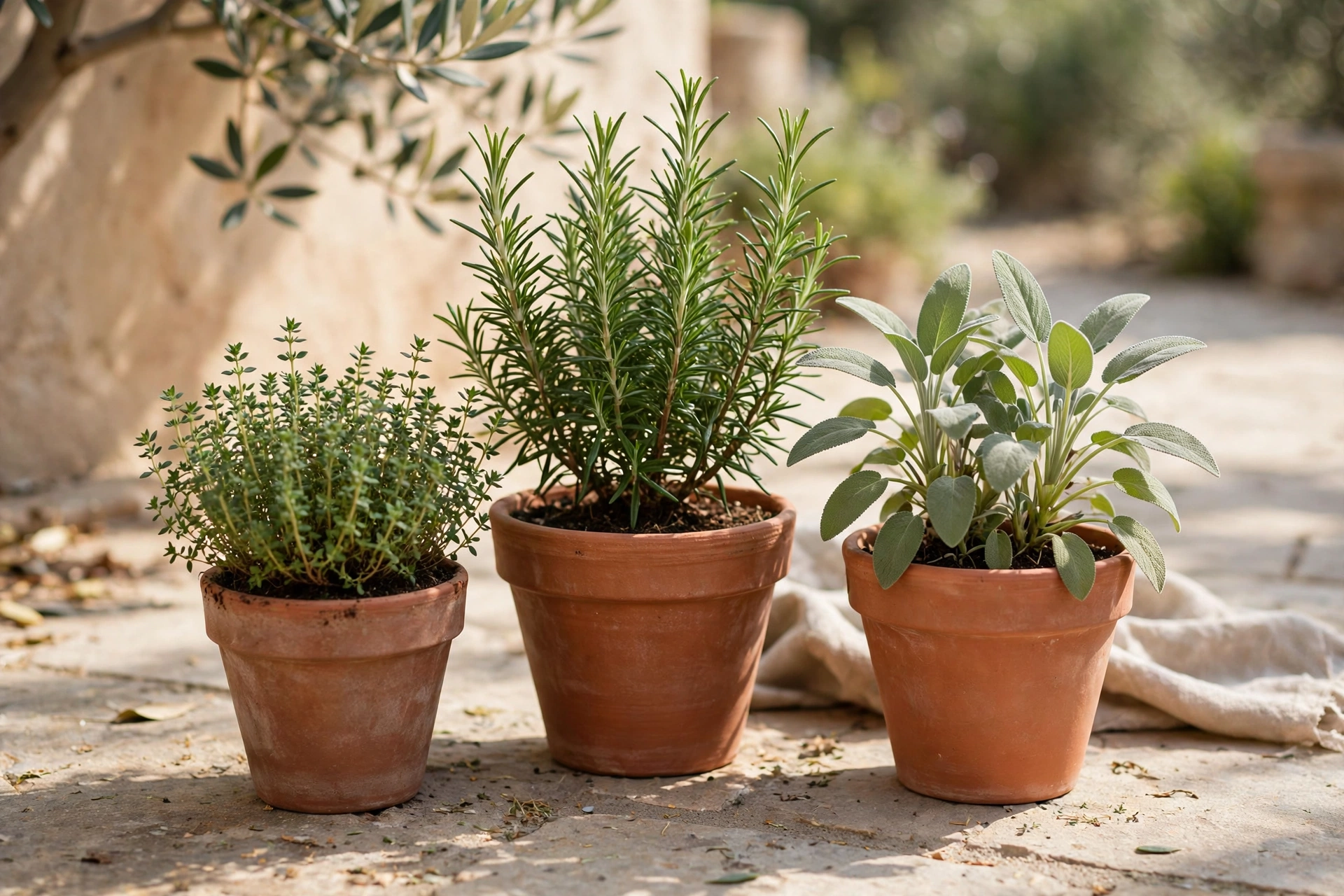
The herbs moved indoors and thrived. My rosemary, thyme, and the one stubborn basil plant are on the kitchen windowsill, and they’re doing better than they did outside in October. Pro Tip: bring herbs in before nighttime temperatures drop below 50°F, and give them the sunniest window you’ve got.
What Didn’t Work
I fertilized too late. I put down a round of fertilizer after the grass had already slowed down for the season, and it just sat there — the lawn wasn’t growing fast enough to use it. The fix is timing: feed while the grass is still actively growing, not after it has checked out for winter. If you’re not sure when your lawn wants feeding, this guide to when to use 28-0-3 fertilizer lays out the timing in plain language.
I watered the succulents on a schedule instead of checking the soil. One little jade plant got soggy feet because I watered it every Sunday whether it needed it or not. Now I poke a finger an inch into the soil first, and I only water when it’s dry. Your houseplants will thank you — and so will your windowsill.
What I’m Carrying Into December
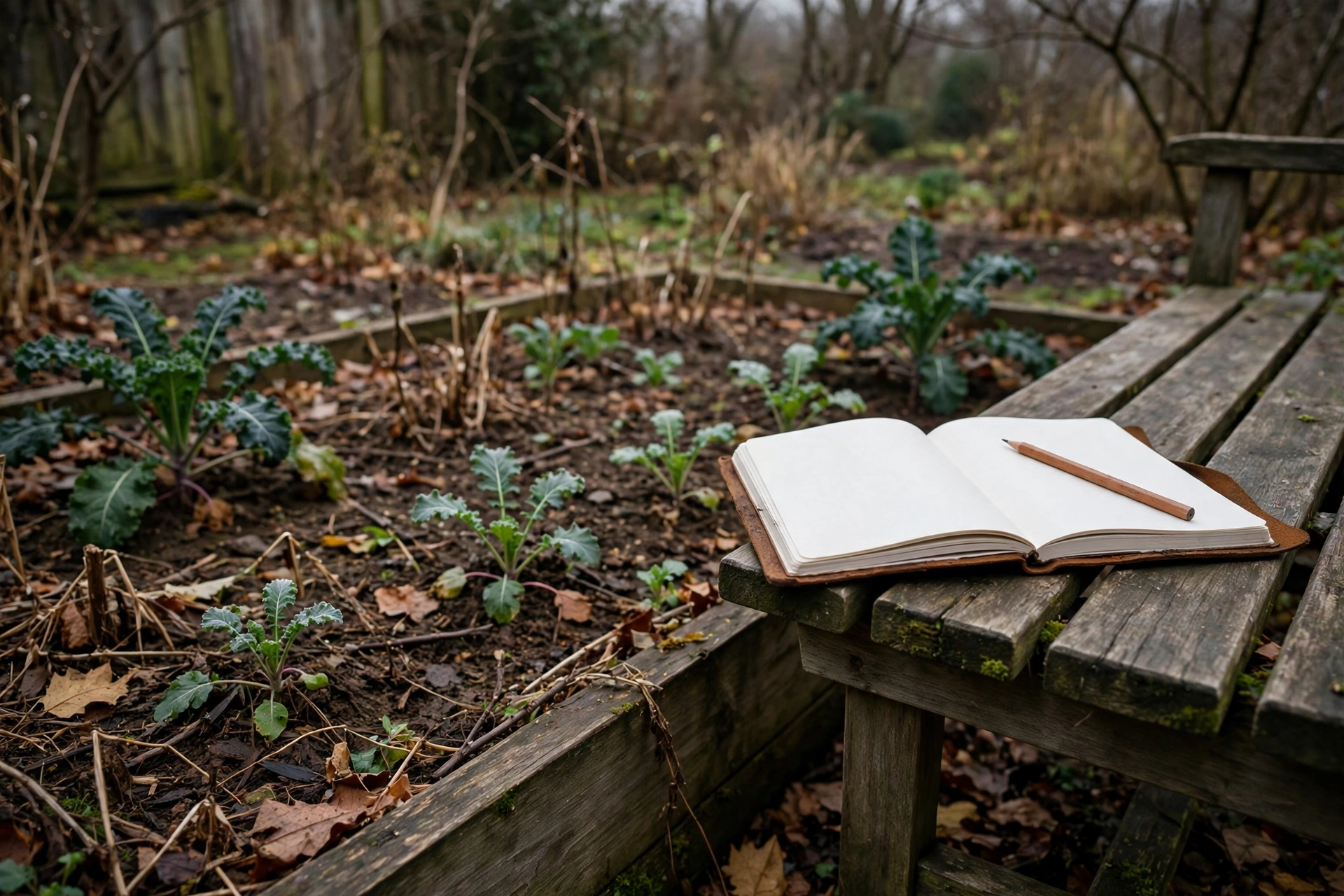
Step 1: Keep the journal going. Five minutes a week, same notebook, same back door. Write down what you did and what happened, and next November you’ll be gardening with a year’s worth of your own notes instead of guesswork.
Step 2: Protect what’s still growing. The collards and the rosemary can take a light frost, but a hard freeze is another story — a layer of mulch or an old sheet on the coldest nights buys you weeks.
Step 3: Let the lawn rest. No more fertilizer, no more seeding. Just a last mow at the right height and a rake for the leaves, and then the lawn gets to sleep.
Pro Tips From the Notebook
- Write it the same day: a note made the day you do the work is worth ten notes made from memory in January.
- Note the weather, not just the chore: “first frost” means more next year than “mulched the beds.”
- One win per week: even in November, there’s always something that worked — find it and write it down first.
November taught me that a garden journal pays you back for paying attention. The wins get repeated, the misses get fixed, and the garden gets a little better every year because you were watching. Happy gardening!