Dear Spade,
My neighbor mowed his lawn the day before Thanksgiving and told me if I skip my last mow, I will regret it in April. My grass still looks fine to me. Is he right, or is he just a man who enjoys mowing?
— Standing Tall in Tennessee
Dear Standing,
Your neighbor is partly right, which is the most dangerous kind of right there is. He is also, very likely, a man who enjoys mowing. Both things can be true, and in suburbia they usually are.
So, What’s the Deal with the Last Mow?
Here is the mechanism, plain and simple. Grass that goes into winter too long flops over under snow and wet leaves, and that matted layer is where snow mold likes to spend the season. Long grass also gives voles a covered hallway to commute through, and they do not pay rent.
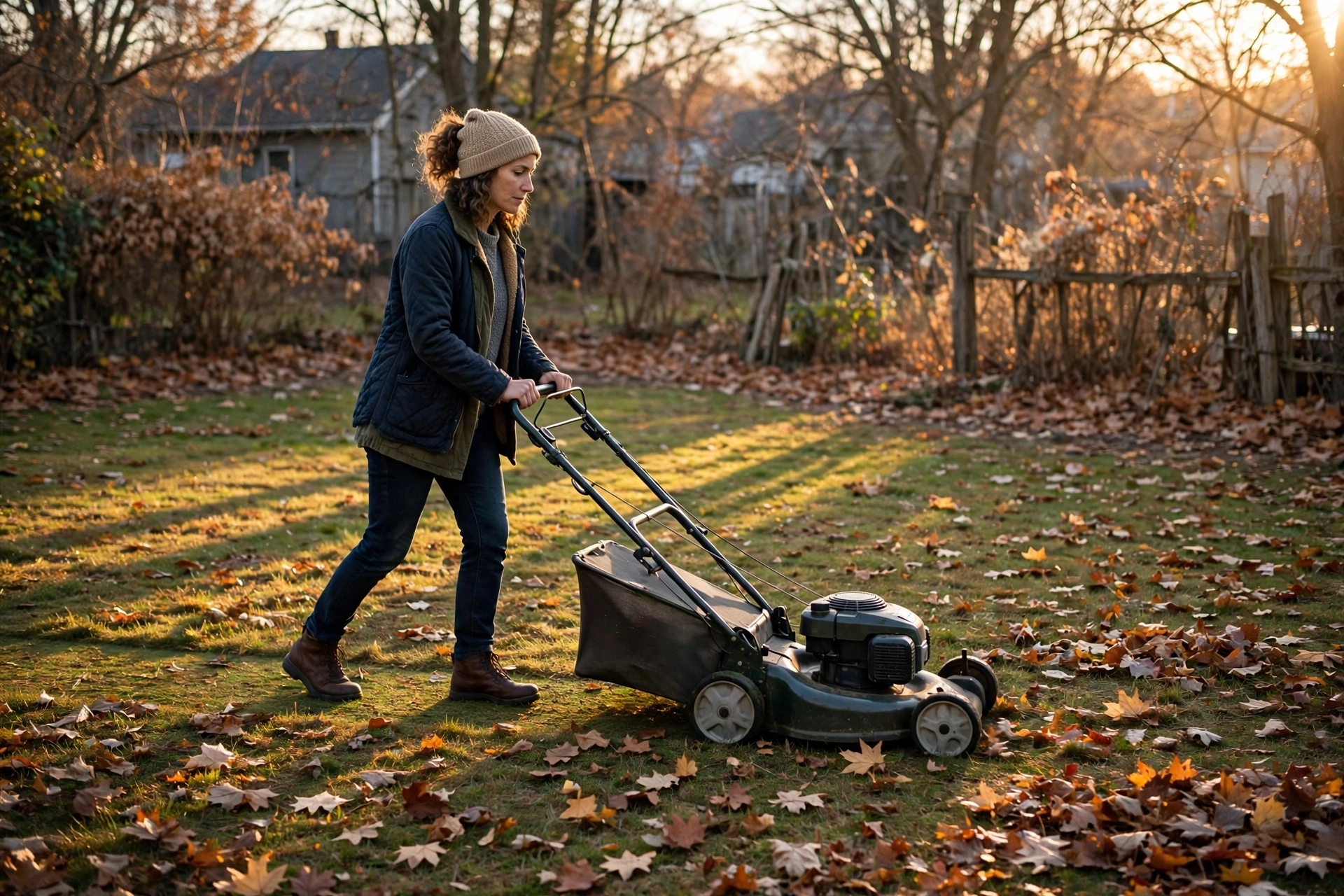
A final mow, slightly shorter than your summer height, leaves the lawn tidy enough to dry out between snows. The mowing heights by grass species table puts most cool-season lawns at 3 to 4 inches during the season; for the last cut, easing down toward 2.5 to 3 inches is the usual target. Warm-season lawns that have already gone dormant get a pass — dormant grass is done for the year, and so are you.
Timing matters more than the calendar. Mow when the grass has mostly stopped growing but the ground is not frozen, and never scalp your way down in one pass. Dropping more than a third of the blade at once stresses the plant, which is a poor thank-you note to a lawn that behaved all year.
Here’s Where It Gets Tricky
The last mow is not a license to do everything else one last time, too. Fertilizer on frozen or about-to-freeze ground mostly washes away, which feeds the storm drain instead of your lawn — timing a feeding is its own question, covered in our guide on when to use 28-0-3 fertilizer. And if your lawn is already short, dry, and dormant, an extra mow is just exercise with a soundtrack.
One more caution, because somebody does this every year: do not mow a frosted lawn in the early morning. Frozen blades snap under foot and wheel traffic, and the damage shows up as pale footprints that linger for weeks. Wait for the thaw, then take your victory lap.
One Last Pass, Then Put It Away
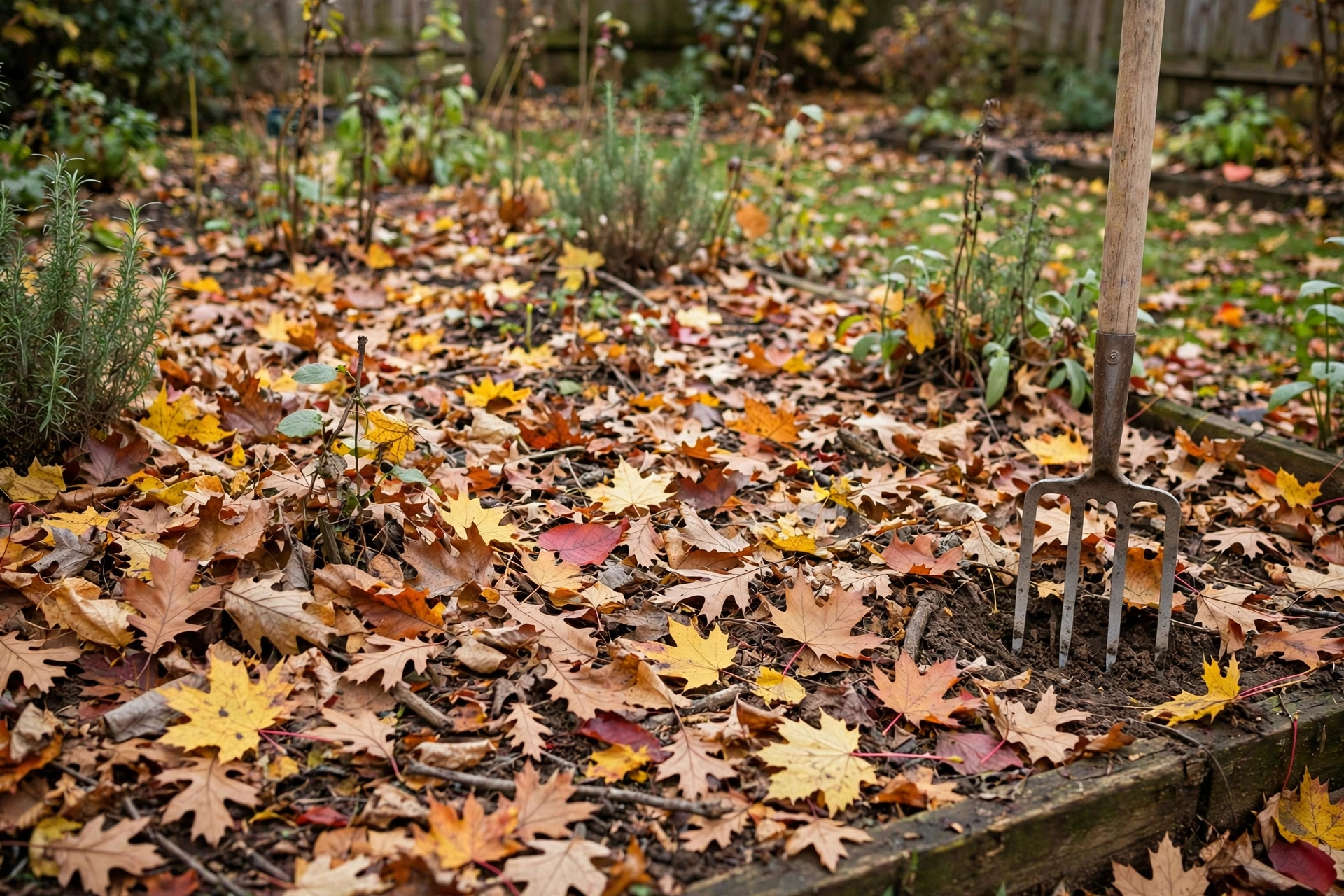
So the verdict is yes — mow one last time, a touch shorter, once growth slows and before the ground freezes. Clear the leaves off first so you are cutting grass instead of making leaf confetti, and bag or mulch-mow whatever is left so nothing mats down.
Then clean the mower, drain or stabilize the fuel, and let the shed go quiet. Your neighbor can keep his title as the street’s most devoted mower. You get the lawn that wakes up clean in April, which is the better prize.
Seasonedly yours,
The Seasoned Spade