This site contains product affiliate links. We may receive a commission if you make a purchase after clicking on one of these links.
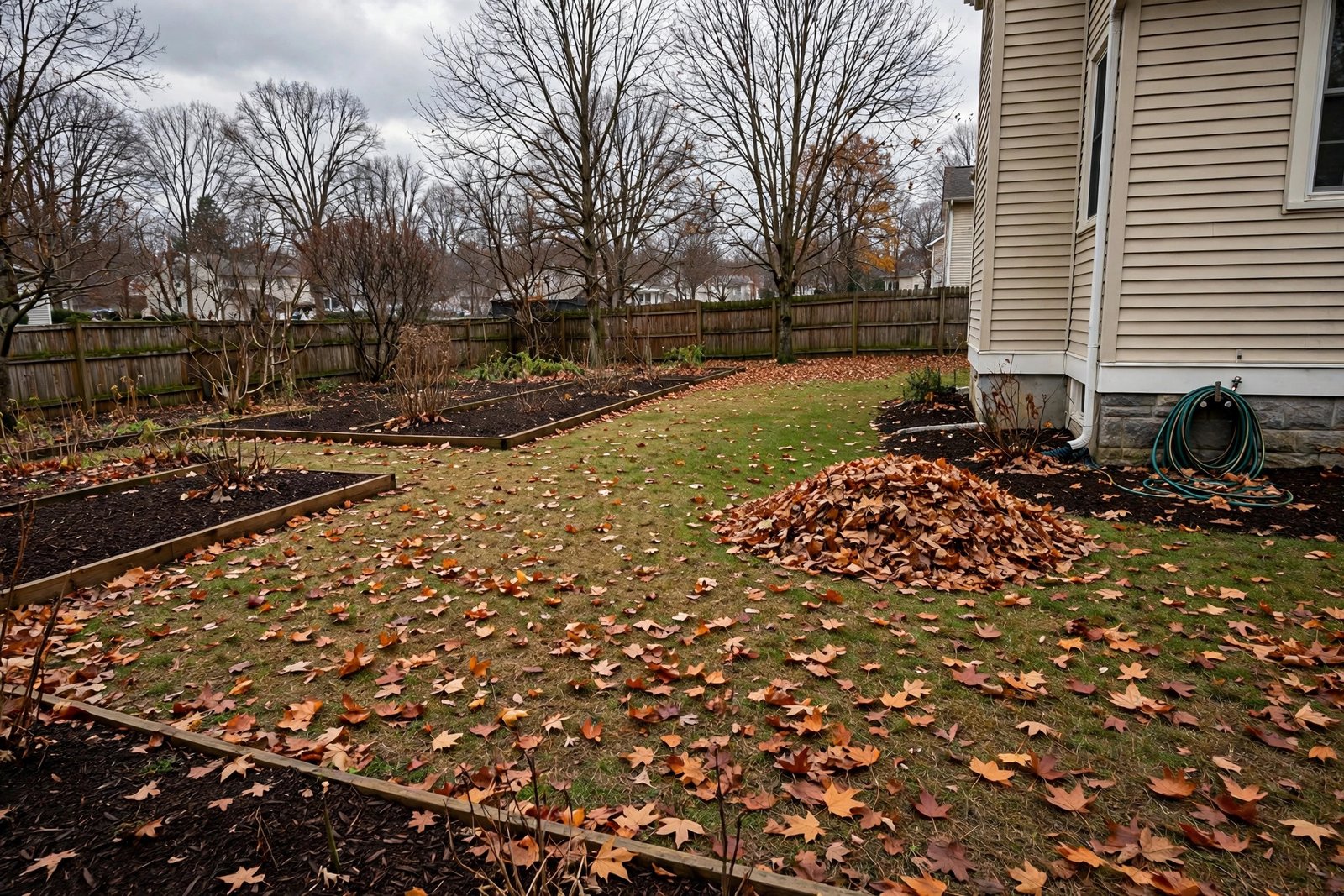
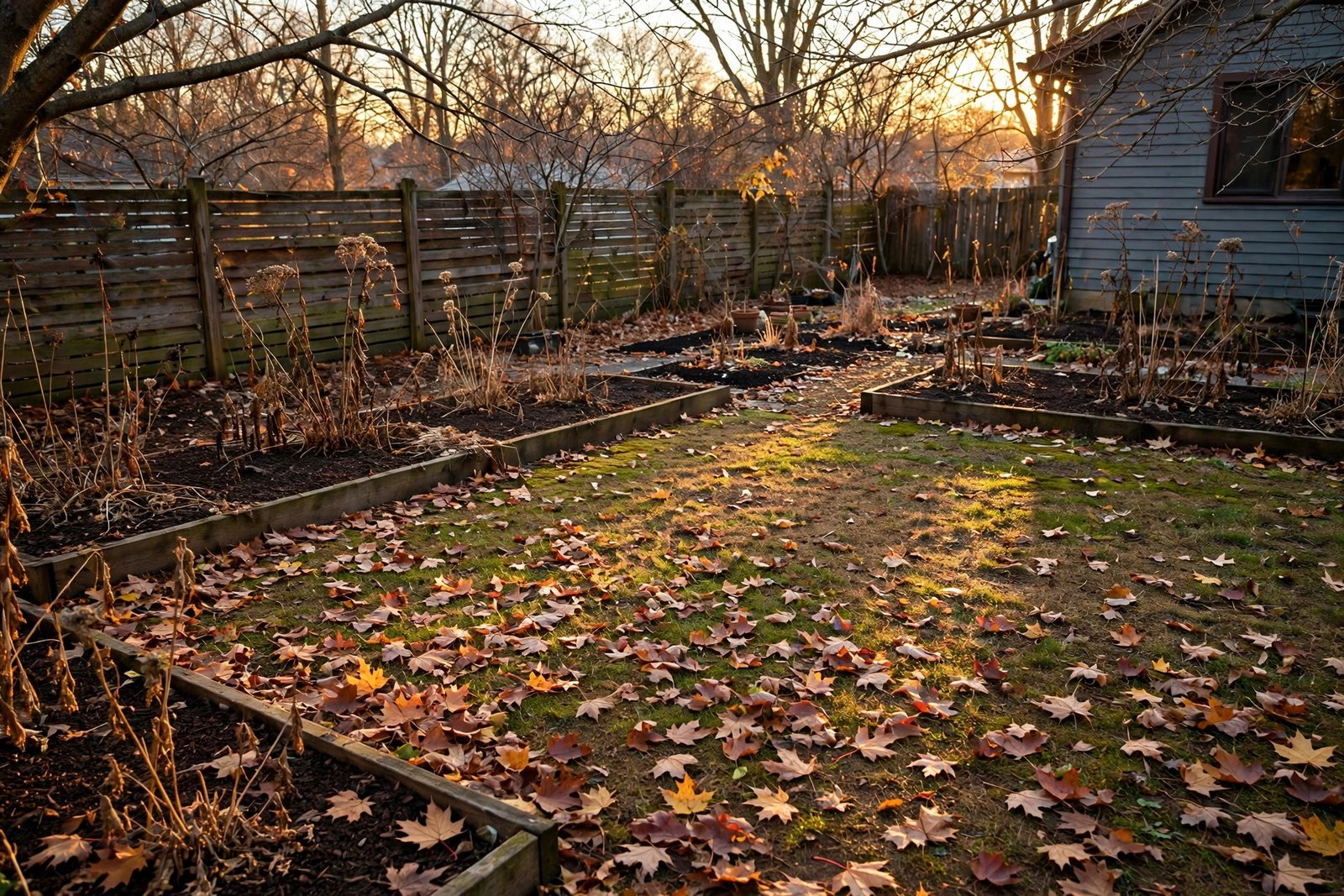
By next weekend the year will have tipped fully into November. The light goes thin by late afternoon, the mornings carry a real bite in the North, and the yard has settled into that in-between look — leaves still coming down in some places and already raked into piles in others, the beds going quiet, the grass slowing to a standstill.
That is the shape of this list. Most of the yard can wait until spring now. A few windows are still open — bulbs before the ground freezes, seed before the snow, dahlias before the wet cold rots them — and a few are closing fast enough that next weekend would be too late. Find your region below, and let your own ground be the judge: whether it has frozen, whether you have had a hard freeze, what zone you are in.
Jump to your region: Northeast · Southeast · Midwest · South Central · Mountain West · Pacific West
Northeast
Zones 3 through 7. Frosts are frequent now, nights are dipping below freezing, and the ground has not frozen solid yet in most places — which is exactly what makes this weekend count.
Spring bulbs, while the soil still works
The Chicago Botanic Garden’s November checklist keeps it conditional and simple: keep planting spring-flowering bulbs early this month if the soil has not completely frozen and weather conditions permit, two to three times as deep as the height of the bulb, in a sunny, well-drained spot. A light mulch over the planting delays the soil from freezing early and gives the bulbs time to put down roots. If your ground is already frozen solid, the window has passed — save the bulbs for forcing indoors. And if you still have garlic cloves waiting, this is the last reasonable weekend for them in the colder zones.
Protect young trees from sun and gnawing animals
University of Minnesota Extension’s November checklist is blunt about this one: protecting trees and shrubs from animals and the winter sun is critical for plant health. Fences are the best defense against animals — four-foot hardware cloth buried two to three inches into the ground, not touching any part of the plant — while white tree guards protect young, thin-barked trunks from sun that cracks them on the south and southwest sides. Only white guards: black tubing absorbs sunlight and heats the trunk, making the problem worse. Get the guards on this weekend, before the first snow makes the work miserable.
Winterize the pots and put the tools away clean
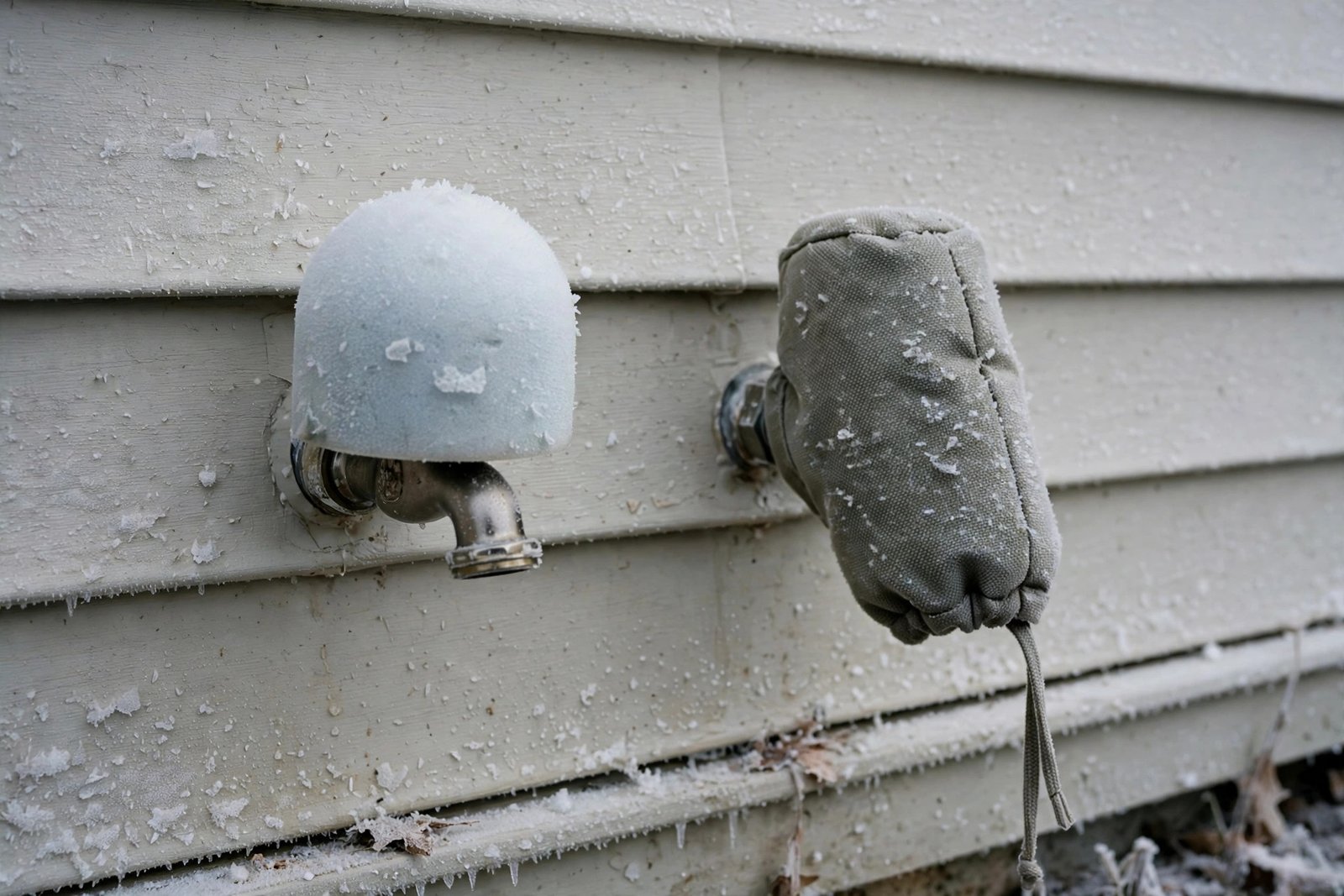
While you are out there, both checklists agree on the end-of-season put-away. Clean ceramic, cement, and terra-cotta containers and store them somewhere frost-free; for large pots too heavy to move, let them dry down, lift them onto bricks or flat rocks so they do not sit in pooled water, and cover them. Disconnect outdoor water sources before temperatures drop below freezing and drain hoses before storing them indoors — with the caveat, from the Garden, that trees and shrubs may still need watering, so time the shutoff to your yard’s needs. Clean, sharpen, and lightly oil the metal tools, and get fertilizer and seed bags up on shelves and off the ground.
Southeast
Zones 7 through 9. The fall vegetable garden is still the main event here, and the first frost is a local question, not a regional one.
Keep planting cool-season vegetables
In the Mid-Atlantic and Southeast, the Farmers’ Almanac regional guide lists collards, kale, mustard greens, lettuce, radishes, turnips, beets, and carrots as fall plantings that often run from late summer into fall, depending on local frost dates, with broccoli and cabbage transplants still useful where enough growing time remains. The method has not changed since September: look up your average first frost date, check the days to maturity on the packet, and count backward, allowing extra time as fall days grow shorter. A frost date is an average, not a promise — but a long-season crop sown this late will not grow at summer speed, so favor quick crops and transplants.
Have row cover ready for the first frost
The same guide’s advice for a late fall garden is to keep a row cover or cold frame handy when temperatures drop, and to harvest tender crops ahead of a damaging freeze. Nights cool fast even when afternoons stay warm, and a single early frost can take tender greens with no warning. Keep the cover where you can reach it in the dark, not buried in the shed, and use it when a freeze threatens rather than after one arrives. Keep watering newly sown beds evenly, and drain the hoses and put them away once the watering is done for the season.
Midwest
Zones 3 through 5. The lawn calendar is nearly done, the bulb window is nearly shut, and the trees still want water.
Dormant seed, and take the last mow
University of Minnesota Extension’s November checklist calls November a great time to dormant seed a lawn that needs improving or renovating: seed goes down right before snowfall and waits until spring. The same checklist says to keep mulching leaves as you mow, gradually lowering the mowing height but never below two inches, which helps mulch the leaves and may reduce snow mold over winter. If the leaves are so thick you see more leaf than grass, collect them and compost them. The full seasonal picture is in the Minnesota lawn care calendar. And as in the Northeast, if you still have spring bulbs or garlic unplanted and the soil is workable, this weekend is the time.
Water the trees until the soil freezes
UMN’s November checklist is direct on this: continue watering deeply during dry periods until the soil freezes, typically late November to mid-December in Minnesota. Moist soil cools more slowly than dry soil, and roots need more time to adjust to cooler temperatures than the tops of the plants do. Established trees and shrubs need it just as much as newly planted ones. While you are out there, put fencing or white tree guards on young, thin-barked trees.
South Central
Zones 7 through 9, Texas and Oklahoma. Fall is a second growing season here, not a wind-down, and November is one of its busiest planting months.
Plant the November rows
Texas A&M AgriLife Extension’s Fall Vegetable Gardening Guide for Texas lists average planting dates by region, and November is squarely in season across much of the state: garlic cloves go in during November in central Texas and December farther south, beets and leaf lettuce have November dates in the central and southern regions, and carrots, radishes, spinach, and turnips follow into late November and December in the south. Planting at the proper time is probably the most important factor in a successful fall garden, the guide says, and fall crops generally do better from transplants than from seed. Group frost-tolerant vegetables together and frost-susceptible ones together, so the tender crops can be removed after a killing frost without disturbing the hardy ones.
Harvest what is ready, and cover what is tender
With so much still growing, harvest is the other main job: greens, carrots, radishes, turnips, and brassicas as they come ready, picked before a hard freeze takes the tender ones. Nights cool fast even when afternoons stay warm, so keep frost cloth or row cover on hand and use it when a freeze threatens, and mulch root crops before hard freezes arrive. The fall garden rewards the gardener who checks the overnight low, not the afternoon high.
Mountain West
Zones 3 through 7, with elevation doing more than latitude to set the season. Assume your microclimate beats any regional average.
Water evergreens during dry spells
In the Mountain West, dry fall air plus frozen soil is how evergreens come out of winter brown, so the November guidance from both the Chicago Botanic Garden and UMN Extension matters doubly here: if conditions are dry, keep watering trees and shrubs, especially evergreens, until the ground has frozen completely. Water deeply rather than often, and water while you still can — once the soil freezes, the roots cannot take up another drop until spring. This is also the weekend to protect young trees: fencing or white guards against animals and winter sun, and burlap windbreaks set at least a foot from sensitive shrubs where bitter northwest winds rake the yard.
Mulch after the ground freezes, not before
The Chicago Botanic Garden’s November list recommends two to three inches of shredded leaves, composted manure, or garden compost on perennial borders and beds — but only after the ground has completely frozen. Mulching too early, while the soil is still warm, can delay dormancy and invite rodents to nest in the warm layer. So shred the leaves now — mulch-mow them where they fall, or collect them for the compost heap, which the Garden says to keep feeding and turning — and hold the heavy bed mulch until the freeze is real. Leave perennials standing rather than cutting them down: they give winter interest and shelter overwintering insects, and only diseased plants need to come out now, discarded rather than composted.
Pacific West
Zones 8 through 10 on the coast, colder inland. Rain is returning, and the planting window is still open.
Decide on the dahlias this weekend
Garden Design’s November checklist for the Pacific Northwest notes that growers differ on when to dig dahlias, and that the flower farm Floret digs in early November, after the foliage has died back. Early November is now. If your bed drains well and you mulch heavily, dahlias can overwinter in the ground in milder coastal spots; if your soil stays wet all winter, dig the tubers, dry them, and store them somewhere cool and dark. Either way, decide this weekend — wet soil plus a freeze is what rots them.
Bring the bulbs indoors
Garden Design’s checklist also recommends planting indoor bulbs this month: plant them in a favorite pot, using pre-chilled bulbs, since many bulbs need a certain number of chilling hours — you can chill bulbs yourself in a refrigerator drawer for the required time, or buy pre-chilled ones. The Chicago Botanic Garden agrees, naming daffodils, hyacinths, dwarf iris, and tulips as good candidates for forcing. While you are indoors, give the houseplants their winter attention: check for mealy bugs, scale, aphids, and spider mites, wipe the leaves clean, and ease off the watering, since most houseplants want less water in winter.
Let the leaves work, and clean up the fruit drops
Leaves in garden beds can be left to decompose naturally, Garden Design notes, feeding the soil as they break down and sheltering beneficial insects. Rake them off the lawn and off plants they are smothering, shred them with the mower, and put them back on shrub borders as winter mulch. Clean up fallen fruit around fruit trees to reduce disease and pest problems, keep weeds and grasses around the trees to a minimum, and add a layer of compost around the orchard. Protect young trees and shrubs from freezing winds and rodents with a wind screen of stakes and burlap on the windward side.
Where this week’s list comes from
This format runs on a few sources that already do the regional synthesizing, not on trawling every county office. This week’s five: the University of Minnesota Extension November garden checklist, the Chicago Botanic Garden November checklist, the Farmers’ Almanac fall vegetables by region, Texas A&M AgriLife Extension’s Fall Vegetable Gardening Guide for Texas, and Garden Design’s November checklist for the Pacific Northwest. Where a task could not be supported by one of those five, it was left out.
Do the short list for your region. Put the tools away clean. The garden will keep for one more week, and so will you.