This site contains product affiliate links. We may receive a commission if you make a purchase after clicking on one of these links.
Two cans in the garage, one ratio to remember, and a blower that will not start when you guess wrong — that is the small, recurring tax of owning a two-stroke handheld. Mix the fuel a little rich and it smokes and fouls; mix it lean and you shorten the engine’s life; grab the wrong can entirely and the Saturday cleanup ends before it starts. A four-stroke handheld deletes that whole routine, and that deletion is the real product being sold here.
Vevor’s handheld gas leaf blower runs a 25.4cc four-stroke engine on straight gasoline, no oil mixing, and it costs $157.90. It blows 340 CFM of air at 130 MPH from a 0.75-liter tank, which puts it squarely in everyday-cleanup territory: leaves, grass clippings, driveway and walkway clearing, the corners a bigger machine is clumsy in. Owners back the idea with a strong record — 115 reviews averaging 4.43 out of 5, with 76 percent at five stars — and the praise clusters where you would hope: easy starting, steady power, a light body, and durability that holds up.
One Vevor.com owner, michaelack, summed up the appeal in a single line: “four stroke power so much better than the two-stroke.” That is the appeal, stated in one line. Nobody buys this blower for record airflow, because 340 CFM is honest handheld output rather than a headline number. They buy it because the fuel can stops being a chemistry project, and because a machine that starts easily gets used for the quick jobs a temperamental one gets left in the garage for.
What the four-stroke changes, and what it does not
The engine is the story, so start there. A four-stroke runs on straight gasoline from the same can you fill the mower with, which removes the mixing step, the second labeled can, and the stale premix problem that greets two-stroke owners every spring. Fill it, pull the recoil starter, and work. The listing builds the supporting details around that simplicity: a cooling vent that supports extended running, an easy-access fuel inlet for refills, and a starter designed for a smooth pull.
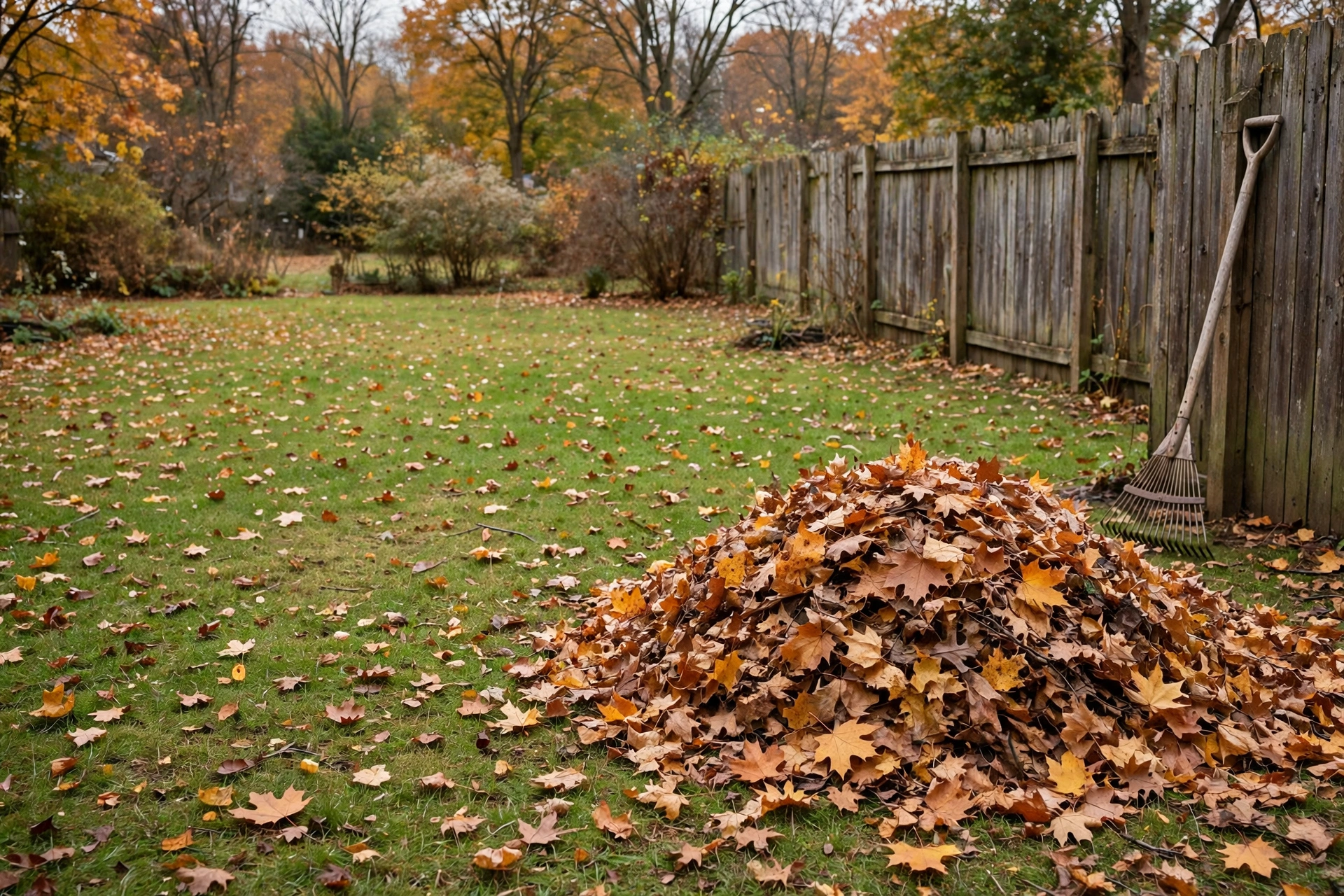
What the four-stroke does not change is the physics of a handheld. At 340 CFM and 130 MPH, this blower moves dry leaves, clippings, and light debris exactly the way a good handheld should, walking a leaf line across a driveway or herding clippings off a walk in a few passes. Wet, matted leaves and a deep fall on a big lot are a different job, and no honest handheld wins it. The minority complaints in the owner record say the same thing from the other side: some owners wanted more power, a few flagged the ergonomics of holding any gas handheld at arm’s length, and build quality draws the occasional knock. Read those as class limits with a Vevor accent, and set your expectations by the size of your yard rather than by the size of your leaf pile in the worst week of October.
The 0.75-liter tank deserves a plain word, because fuel use draws a mention in the reviews, including one owner who calls the machine thirsty for its size. A small tank on a gas handheld means a refill on a long session, and the easy-access inlet makes that refill a quick stop rather than a funnel hunt. For the driveways, walks, and small-to-midsize yards this blower is built for, a tank is a session. For an acre of oaks, it is a pause, and the pause will annoy you by the third one.
Handheld or backpack? The honest fork
Vevor sells the other answer to this question too, and the two machines are different enough that picking between them is the actual decision. Our review of the Vevor 63cc backpack blower covers a two-stroke machine that moves 1,110 CFM — more than three times this handheld’s air volume — for $169.90, twelve dollars more. That sounds like an easy call until you picture the work: the backpack is the right tool for heavy leaf fall and big ground, and it is a lot of machine to strap on for clearing a patio and a front walk.
| Blower | Engine | Air volume | How you carry it | Best for |
|---|---|---|---|---|
| Vevor handheld 25.4cc | 25.4cc four-stroke, straight gas | 340 CFM at 130 MPH | In one hand | Everyday cleanup on small to midsize yards |
| Vevor backpack 63cc | 63cc two-stroke, mixed fuel | 1,110 CFM | On your back | Heavy leaf fall and large yards |
The table makes the trade concrete. You give up raw air volume with the handheld, and in return you get straight-gas convenience, a grab-and-go weight class, and a machine that lives by the garage door instead of on a hook you plan around. Our leaf blower sizing guide walks through matching CFM to yard size if you are between the two, and our pine needle blower roundup covers the stubborn case where air speed and technique matter as much as volume.
The Saturday circuit
Picture the jobs in the order they actually happen. The driveway comes first, because it collects everything the week dropped: leaves from the street tree, clippings that drifted off the lawn, grit along the garage door. A handheld clears it in a few walking passes, working the edges where debris settles and finishing at the curb. The front walk and the steps are next, and this is where a light machine earns its place, because you are lifting it, turning it, and feathering the throttle around plantings instead of swinging a long tube from your back.
Then come the corners a bigger blower handles badly. Leaves pack into the angle where the fence meets the house, under the porch steps, and along the garage entrance, and they come out when the nozzle can get close and low. A handheld points where your hand points, so those pockets take seconds each rather than a wrestling match. Finish with the yard edges, walking the leaf line off the grass and into the beds or the pile, and the circuit is done. None of these jobs needs 1,110 CFM. All of them reward a machine that starts without ceremony and hangs by the door when you are finished.
Living with it, week to week
The case for this blower builds in small moments rather than big ones. Clippings on the walk after an evening mow are a quick job when the machine starts on the first pulls and asks for nothing but gas. Leaves in the garage corners and along the fence line move without dragging out a cord or a battery that died in another tool. Because it is light and handheld, it goes where the work is — steps, edges, tight corners beside the house — without the turning radius of a backpack tube or the shoulder ache that ends sessions early.
Storage is part of that ease. A handheld takes a hook or a shelf corner, not a floor bay, and a four-stroke adds one quiet advantage in January: the fuel in it is the same straight gasoline everything else in the garage drinks, so there is no separate premix can quietly going stale on the shelf. Use fresh fuel when the season turns, and the easy starting the owners praise tends to still be there in April.
Care is the usual gas-engine bargain, minus the mixing. Keep fresh fuel in it, store it with the tank treated or emptied for winter, and give the air path a glance when the leaves are dusty, because a blower that breathes dirty air loses the easy starting owners praise. Wear hearing protection while it runs and eye protection when the debris is dry and gritty; a handheld puts you close to everything it moves. None of that is exotic, and all of it is the difference between the 4.43-star experience and the one-star reviews that read like maintenance schedules nobody followed.
Who should buy it, and who should not
Buy it if your cleanup is frequent and ordinary: a driveway, walks, a patio, and a small-to-midsize lawn under real trees, handled a little at a time instead of in one heroic October weekend. At $157.90, with a 4.43-star record across 115 owners and no fuel mixing ever, it is the gas handheld for people who are done keeping two cans and a ratio chart.
Skip it if your fall is heavy. An acre of oaks will outrun 340 CFM, and you will feel every one of those refills; buy the backpack and accept the mixing. Skip it, too, if you want the quietest possible cleanup, because a gas engine of any stroke count is still a gas engine at full throttle. For the yard this blower was sized for, though, the verdict is easy: it starts, it blows, and it never asks you to do math at the fuel can. That is the whole pitch, and the owner record says it delivers.
VEVOR Handheld Gas Leaf Blower, 25.4cc 4-Stroke
Straight-gas four-stroke power, 340 CFM, and no fuel mixing — the grab-and-go blower for everyday cleanup.