Landscape & Leisure is reader-supported. When you buy through links on our site, including Botanical Interests seed links, we may earn a commission at no extra cost to you. Prices change, so click through to confirm current pricing.
Peppers are the crop most often started too late, too cold, or both. They germinate slowly, grow slowly, and demand more heat than tomatoes at every stage — which is exactly why starting them indoors is not optional in a northern garden. Done right, an indoor start buys you the 8 to 10 weeks peppers need before they ever see the outdoors, and turns a marginal crop into a reliable one. This guide covers the timing, the heat, and the week-by-week routine, including the answer to the question northern gardeners ask most: when to start pepper seeds indoors in zone 4.
When to Start Pepper Seeds Indoors in Zone 4
For zone 4 gardeners, the short answer is late March — around March 20 for most of Minnesota, per the University of Minnesota Master Gardener program for Washington County, which advises starting peppers about eight weeks before the last frost date. University of Minnesota Extension’s own planting guide puts peppers in mid-March, two weeks ahead of tomatoes, which start in early April. For much of Minnesota, the average last frost falls around May 10, so counting back eight to ten weeks lands you in the second half of March.
Why not earlier? Pepper seedlings started too early get leggy under weak indoor light, and they begin flowering indoors when they should be building roots — the Master Gardener program specifically warns that peppers started before about March 20 are harder to harden off and transplant. Why not later? Every week you delay is a week of harvest lost in a season that may only run 100 frost-free days. Late March is the compromise the calendar forces, and it works.
Transplanting is a separate date, and confusing the two is the most common pepper mistake. Botanical Interests advises transplanting peppers 2 to 4 weeks after your average last frost, when daytime temperatures are at least 70°F and nighttime temperatures are at least 55°F. University of Minnesota Extension puts it slightly more conservatively: transplant after nighttime lows are above 50°F. For a May 10 last frost, that means transplants go out roughly late May to early June — not mid-May with the cool-season crops. Peppers planted into cold soil sit, sulk, and never catch up to plants set out two weeks later into warm soil.
| Zone 4 Milestone | Typical Date | What Happens |
|---|---|---|
| Sow seeds indoors | Mid- to late March (around March 20) | 8–10 weeks before transplanting |
| Germination | 10–25 days after sowing | Soil kept at 70°–90°F |
| Average last frost | ~May 10 (Minnesota) | Reference date, not a planting date |
| Harden off | 7–10 days before transplanting | Gradual outdoor exposure |
| Transplant outdoors | Late May to early June | Nights above 50°F, days above 70°F |
Heat: The One Thing Peppers Need More Than Anything
Pepper seeds germinate best at warm temperatures — Botanical Interests lists an ideal soil temperature of 70°–90°F, and the Master Gardener program narrows it to 80°–90°F for the fastest, most even germination. Room-temperature soil in a cool spring house often sits in the low 60s, which is why pepper seeds can take three weeks to emerge or fail outright while tomato seeds in the same tray pop in a week. A heat mat underneath the tray is the single highest-impact purchase in pepper starting; it is the difference between 10-day germination and 25-day germination, and between a full stand of seedlings and a half-empty tray.
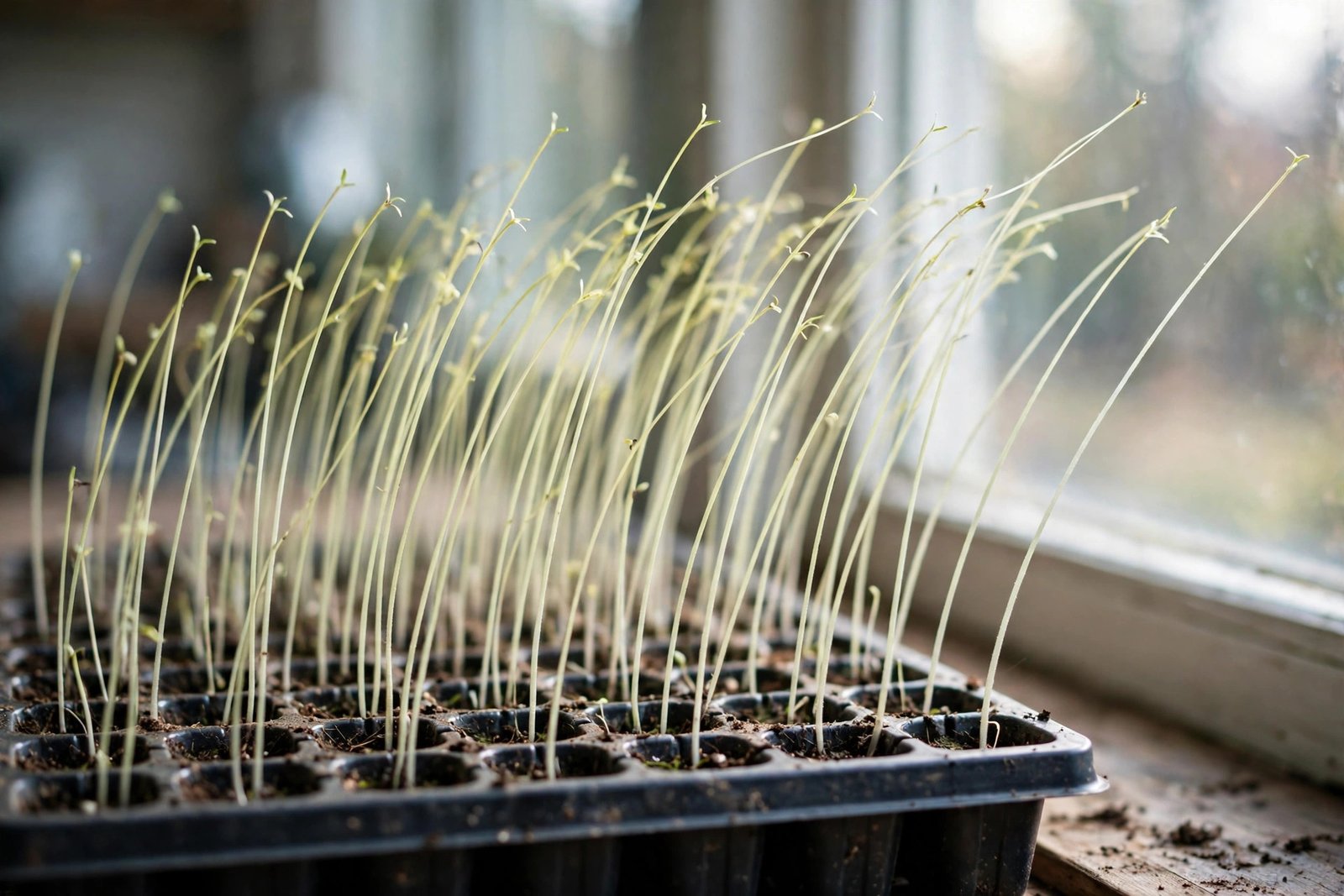
Seeds need no light until they germinate — warmth and steady moisture are the job. The moment the first seedling emerges, move the tray under lights immediately; every day a pepper seedling spends reaching for a window is a day it grows leggy, and leggy pepper seedlings rarely recover their stockiness. Our leggy-seedling troubleshooting guide covers the rescue steps if it happens anyway.
Seed Starting Heat Mat
The one purchase that matters most for peppers — soil at 70°–90°F turns 25-day germination into 10-day germination.
Step by Step: Starting Peppers Indoors
1. Sow ¼ inch deep, 2 seeds per cell. Pepper seeds are sown shallow — a quarter inch, no deeper. Cover lightly, water gently so you do not wash seeds out, and cover the tray with a dome or plastic wrap to hold moisture until germination.
2. Keep the soil warm and moist, not wet. Set the tray on the heat mat and check moisture daily. The soil surface should feel like a wrung-out sponge. Soggy soil rots seeds; dry soil stalls them.
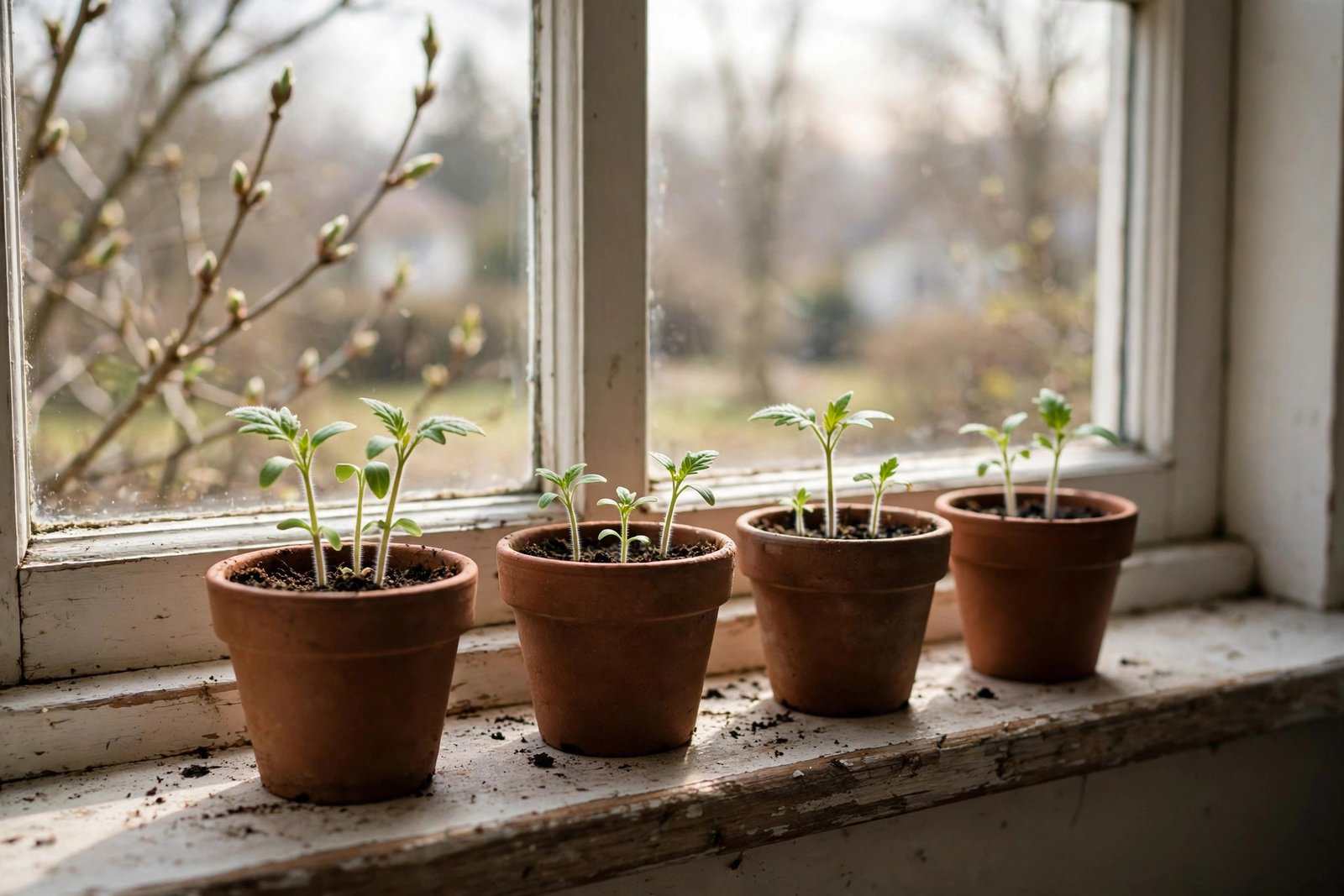
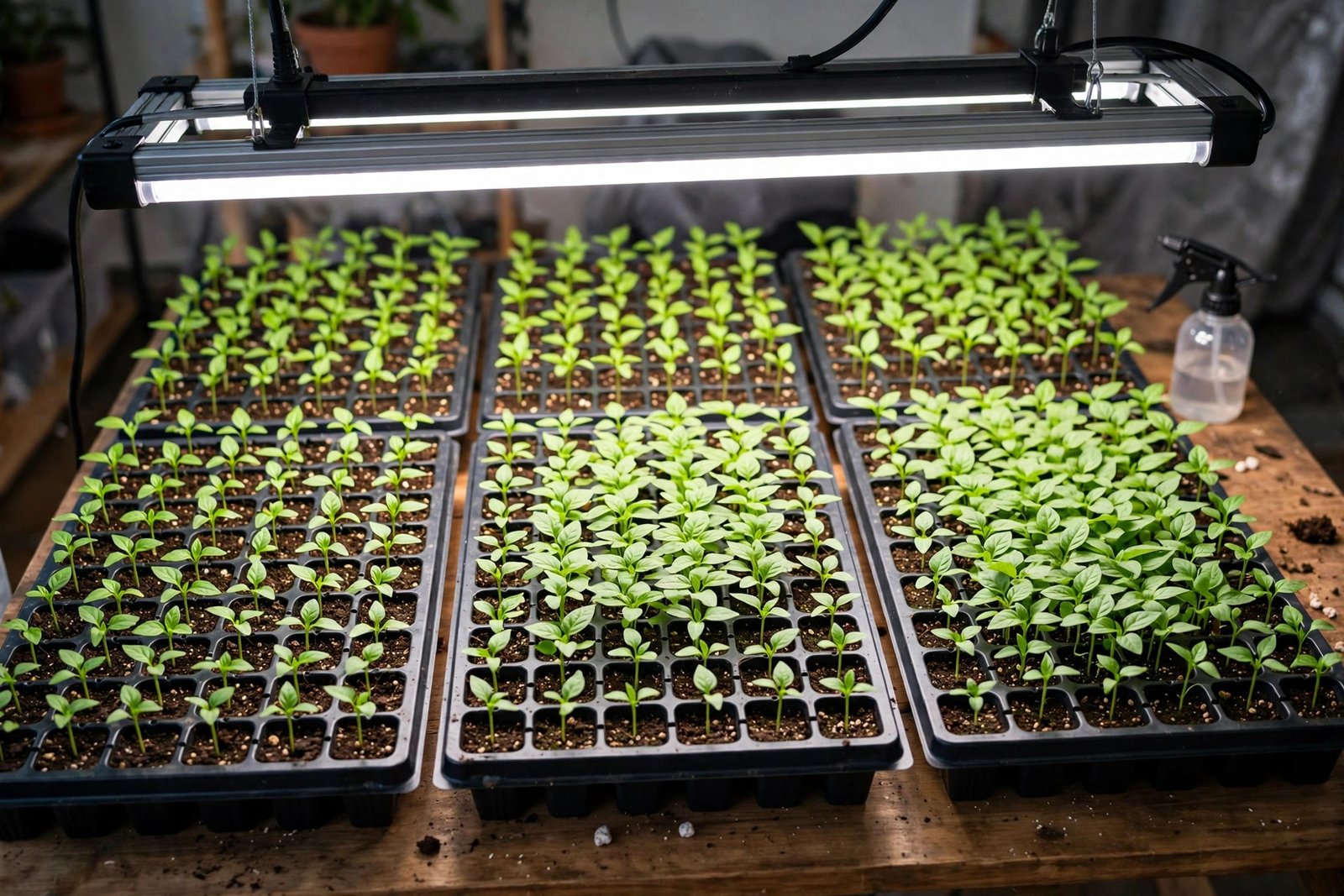
3. Move to light the day seedlings emerge. Strong light, close to the plants — 2 to 3 inches above the seedlings — for 14 to 16 hours a day. A sunny windowsill in a Minnesota April is rarely enough on its own; the Master Gardener program is blunt that it is difficult to give peppers enough light from a window to prevent legginess.
4. Thin to one plant per cell. Once seedlings have their first true leaves, snip the weaker one at soil level rather than pulling it — pulling disturbs the roots of the keeper.
5. Pot up when roots fill the cell. Peppers started in small cells usually need one move into a 3- to 4-inch pot before transplanting, since they spend 8 to 10 weeks indoors. Bury them at the same depth they were growing — unlike tomatoes, peppers do not reliably root along a buried stem.
6. Pinch early flower buds. Pepper seedlings approaching transplant size often start flowering indoors. Pinch those buds off until transplant time approaches; the plant should put its energy into roots and leaves first, and you want buds — not open flowers — on the plant when it goes out.
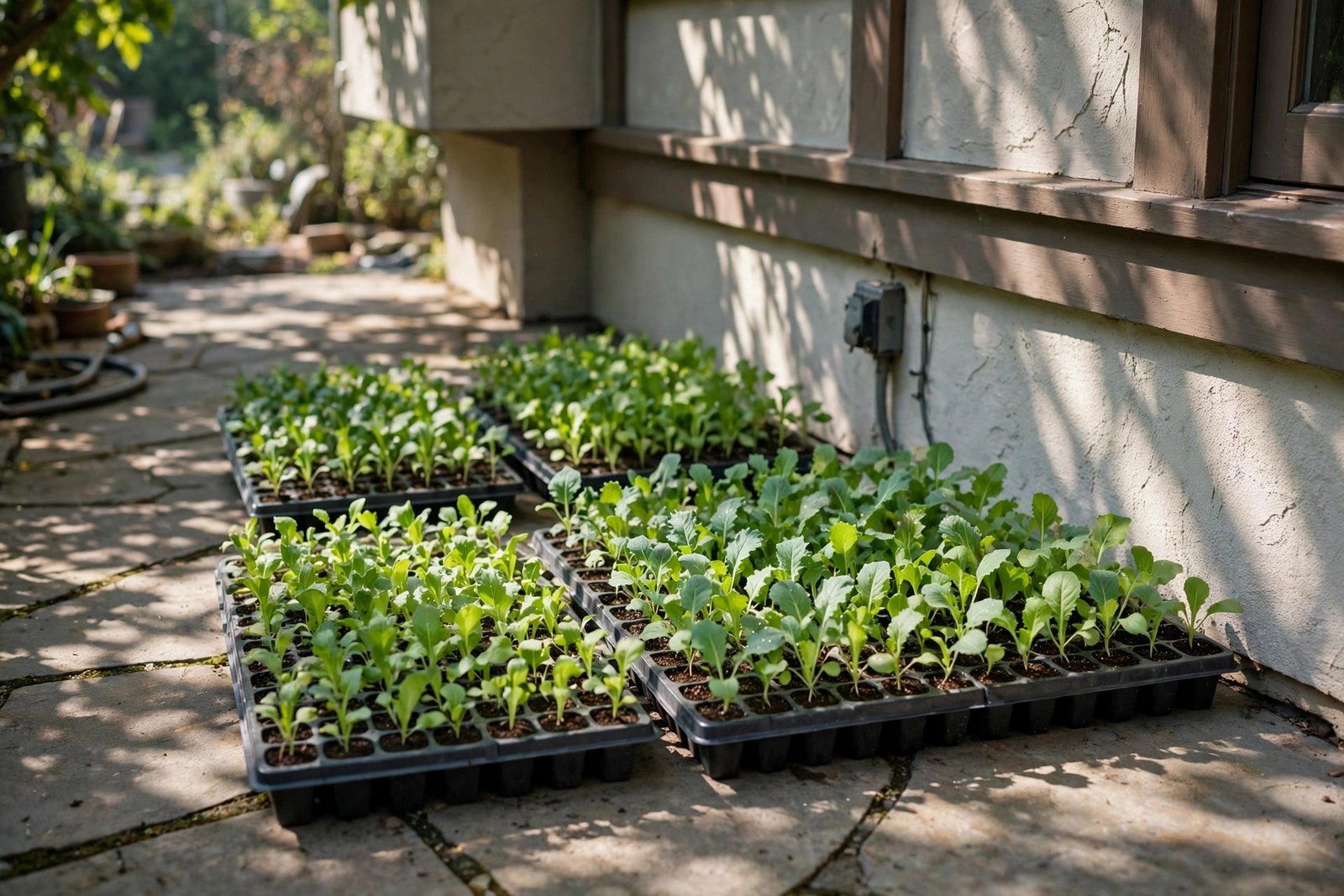
7. Harden off, then transplant warm. Give seedlings 7 to 10 days of gradually increasing outdoor time before they move out for good — our step-by-step hardening-off guide walks through the daily schedule. Set plants 18 to 24 inches apart in full sun, and consider black plastic mulch to warm the soil, a practice University of Minnesota Extension recommends for peppers.
Epic 6-Cell Seed Starting Trays
Sturdy reusable cells sized for the long 8- to 10-week pepper start, with room for one strong plant per cell.
Epic 1020 Universal Bottom Tray
The watertight tray underneath it all — and the shuttle tray that carries seedlings in and out during hardening off.
Common Mistakes
Starting from the tomato calendar. Tomatoes start in early April in Minnesota; peppers start two weeks earlier. Using one date for both shortchanges the peppers.
Transplanting on the last-frost date. Last frost is not a pepper planting date. Peppers need soil and night air that are genuinely warm — wait the extra two to four weeks.
Skipping the heat mat. If your pepper seeds are slow or spotty, temperature is the first suspect, not seed quality.
Leaving seedlings in the window. Weak light makes leggy plants, and leggy peppers rarely become productive ones. Lights beat windowsills for this crop.
Bottom Line
For zone 4, sow peppers indoors in mid- to late March, keep the soil at 70°–90°F until they germinate, give them strong light from day one, and do not move them outside until late May or early June when nights stay above 50°F. Pick varieties that finish in your season — our pepper variety roundup sorts the sweet and hot types by what they do best — and if you are weighing sweet against hot, our northern-garden comparison covers that decision. For the broader seed-starting routine, our beginner’s indoor-starting guide covers the general setup.