This site contains product affiliate links. We may receive a commission if you make a purchase after clicking on one of these links.
An organic fertilizer bag is really two promises in one: food for the grass you can see, and food for the soil underneath it — and the second promise is the one that decides whether the bag is worth carrying home. A synthetic fertilizer feeds the blades directly and quickly, while an organic one feeds the microbes in the soil first, and those microbes feed the grass over weeks instead of days.
That slower path is the whole point, and it is also the trade-off: organic bags carry far less nitrogen per pound, so you spread more product, wait longer for the color to show, and get a lawn that thickens gradually instead of greening overnight. If that sounds like a fair exchange, the picks below are the ones worth your money.
What “Organic” Actually Means on a Fertilizer Bag
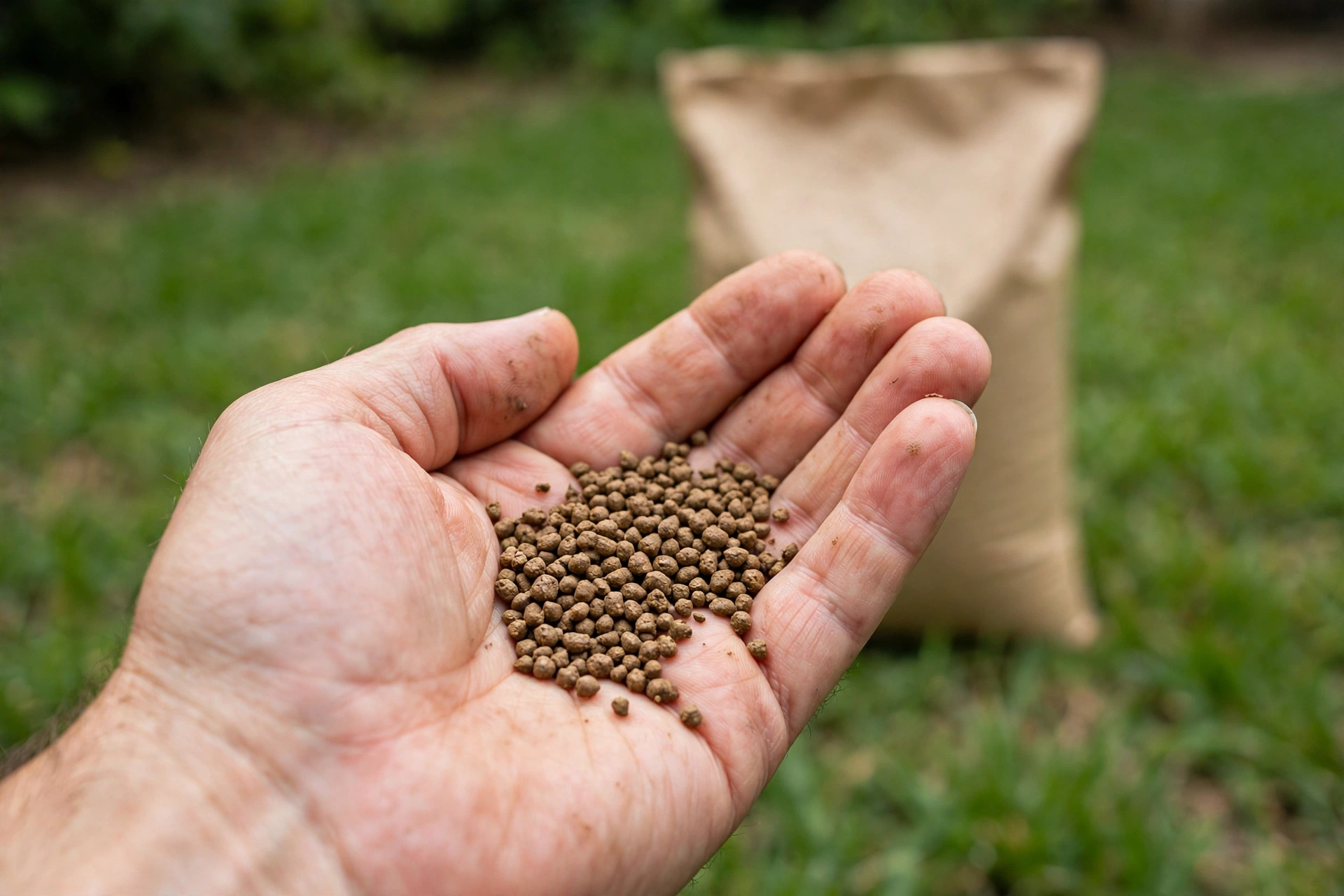
On a lawn fertilizer label, organic means the nitrogen comes from once-living material — biosolids, feather meal, poultry manure, corn gluten meal — rather than from a manufactured salt. Soil microbes have to break that material down before the grass can use the nitrogen inside it, which is why organic fertilizer releases slowly and why it is hard to burn a lawn with it. The bag still lists an N-P-K analysis, usually a modest one: Milorganite reads 6-4-0, meaning 6 percent nitrogen by weight, and that single number explains most of what follows.
Organic fertilizer also adds organic matter to the soil itself, which a synthetic bag does not claim to do. Milorganite’s bag is 85 percent organic matter, and that material stays in the soil after the nutrients are used, feeding the microbial life that keeps a lawn resilient through heat and drought. A soil test tells you whether your lawn actually needs that help, and testing your lawn soil at home is the cheapest way to find out before you buy anything.
One honest caveat belongs up front: organic does not mean weed-free, pest-free, or maintenance-free. An organic bag feeds grass and soil, and that is all it promises. If you need crabgrass stopped before it germinates, you need a product built for that job — which is exactly why the runner-up below earns its place.
The Picks, Compared
| Product | Analysis | Coverage | Best for |
|---|---|---|---|
| Milorganite All-Purpose Slow-Release Nitrogen 6-4-0 | 6-4-0 | 2,500 sq ft per 32 lb bag | Best overall — feeding the lawn and the soil at once |
| Espoma Organic Weed Preventer Plus Lawn Food | Corn gluten meal | 1,250 sq ft per 25 lb bag | Runner-up — feeding plus stopping crabgrass before it starts |
| Espoma Organic All Season Lawn Food 9-0-0 | 9-0-0 | 5,000 sq ft per 28 lb bag | A lighter seasonal feed with no weed control |
Best Overall: Milorganite All-Purpose Slow-Release Nitrogen 6-4-0
Milorganite has been the default organic lawn fertilizer for decades, and the reason is unglamorous: it works the same way every time, it does not burn the lawn, and one 32-pound bag covers 2,500 square feet. The 6-4-0 analysis looks low next to a synthetic 32-0-4, and it is — but the nitrogen in Milorganite releases slowly as microbes break it down, so the grass gets a steady supply for weeks instead of a surge that fades in days. For a full comparison with another popular organic option, see Screamin Green vs Milorganite.
The math on the bag is worth doing once, because it explains why organic feeding feels different. A 32-pound bag at 6 percent nitrogen carries just under 2 pounds of actual nitrogen, and spread over 2,500 square feet that works out to under 1 pound of nitrogen per 1,000 square feet at the standard rate. A synthetic bag delivers the same nitrogen in a fraction of the weight, so organic feeding means carrying more bags and making peace with a slower green-up. What you get for the extra effort is a lawn fed from the soil up, with 85 percent organic matter going into the ground along with the nutrients.
Milorganite also pairs well with other lawn work. It will not burn new grass, so it fits the best fertilizer for your lawn after aerating, and it can be applied alongside a crabgrass preventer — the details are in can you apply Milorganite and crabgrass preventer together. The trade-off is slower visible results and more product per application than a synthetic feed. If you want the fastest green-up on the block, this is not your bag, and our best granular lawn fertilizers roundup covers the synthetic side of that choice.
Milorganite All-Purpose Slow-Release Nitrogen 6-4-0, 32 lb bag
Slow-release organic nitrogen that feeds the soil as well as the grass, and will not burn the lawn.
Runner-Up: Espoma Organic Weed Preventer Plus Lawn Food
Espoma’s Weed Preventer Plus earns the runner-up spot by doing two jobs that usually require two products. The active ingredient is 100 percent corn gluten meal, which feeds the lawn while it stops crabgrass and dandelion seeds from germinating — a combination that matters because the timing for both jobs is the same early-spring window. A 25-pound bag covers 1,250 square feet at the weed-preventer rate, which is a smaller area per bag than Milorganite covers, so a larger lawn needs more bags and the cost per application runs higher.
The catch with corn gluten meal is timing, and it is not forgiving. It prevents seeds from germinating, which means it has to be down before crabgrass germinates in spring, and it does nothing for weeds that are already growing. Applied on schedule it is a genuinely useful organic tool; applied late it is an expensive lawn food with a weed problem it arrived too late to solve. Timing, not the product, decides whether it works — and the slow-release vs quick-release fertilizer comparison explains the release half of that question.
For a lawn that already has crabgrass up and growing, this is the wrong purchase, and a synthetic pre-emergent or a post-emergent treatment is the honest answer instead. For a lawn you are keeping organic and a spring you can plan around, it is the best dual-purpose organic option on the shelf.
Espoma Organic Weed Preventer Plus Lawn Food, 25 lb bag
Corn gluten meal that feeds the lawn and stops crabgrass and dandelions before they germinate.
Worth a Look: Espoma Organic All Season Lawn Food 9-0-0
Espoma’s All Season Lawn Food 9-0-0 is a straightforward organic feed built from feather meal and pasteurized poultry manure, with Bio-Tone microbes added to help the soil break it down. A 28-pound bag covers 5,000 square feet, which is twice the coverage of a Milorganite bag at a similar weight, and the 9 percent nitrogen analysis is a step up from Milorganite’s 6 percent. It carries no weed control, so it is a pure feeding product for a lawn that is already weed-free and just needs steady nutrition through the season. It stays a text mention here because its advantages are real but narrow, and the two picks above cover the two jobs most organic buyers need: feeding the soil, and feeding plus weed prevention.
Not Recommended for Lawns: Espoma Organic Bio-Tone Starter Plus 4-3-3
Bio-Tone Starter Plus shows up in organic fertilizer searches because the Espoma name is on the bag, but it is the wrong product for feeding a lawn. It is a transplanting starter food, made to be worked into the soil around new plants at planting time, not broadcast across an established lawn. Its 4-3-3 analysis is lower than either pick above, and its coverage is calculated for individual plantings rather than square footage of turf, so using it on a lawn means paying starter-food money for a job it was never designed to do. Save it for the planting hole it was made for.
How Much Nitrogen Are You Actually Putting Down?
The number that matters on any fertilizer bag is pounds of actual nitrogen per 1,000 square feet, and the label makes you do the arithmetic yourself. Take the bag weight, multiply by the nitrogen percentage, and divide by the coverage in thousands of square feet. Milorganite’s 32-pound bag at 6 percent nitrogen delivers about 0.77 pounds of nitrogen per 1,000 square feet at the standard rate, which is a gentle feed by design — enough to green the lawn over a few weeks without the surge-and-crash cycle of a quick-release synthetic, and forgiving enough to use after aerating or while overseeding. Our liquid vs granular fertilizer comparison covers the other half of the format question, since organic options are almost always granular.
How to Apply Without Burning the Lawn
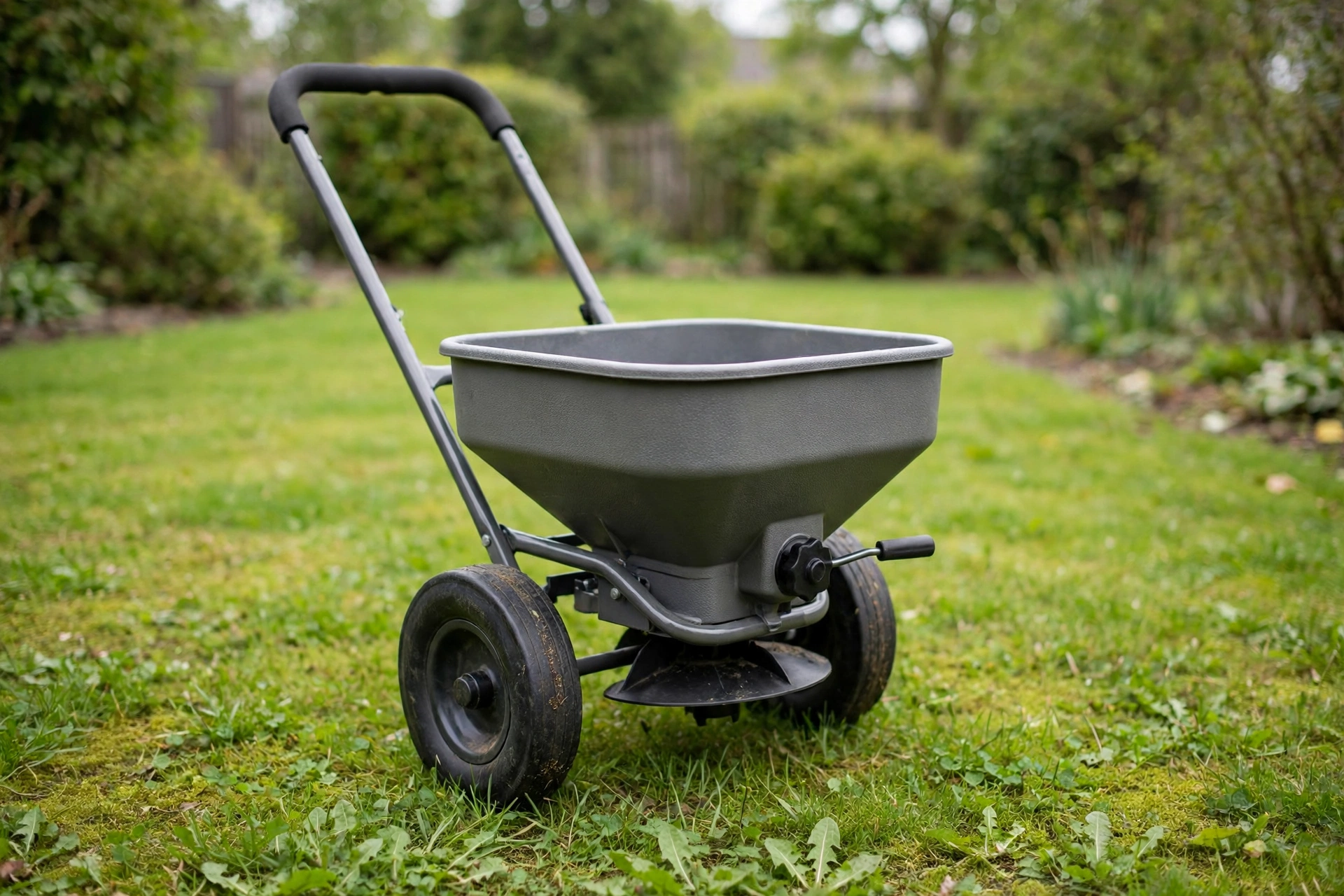
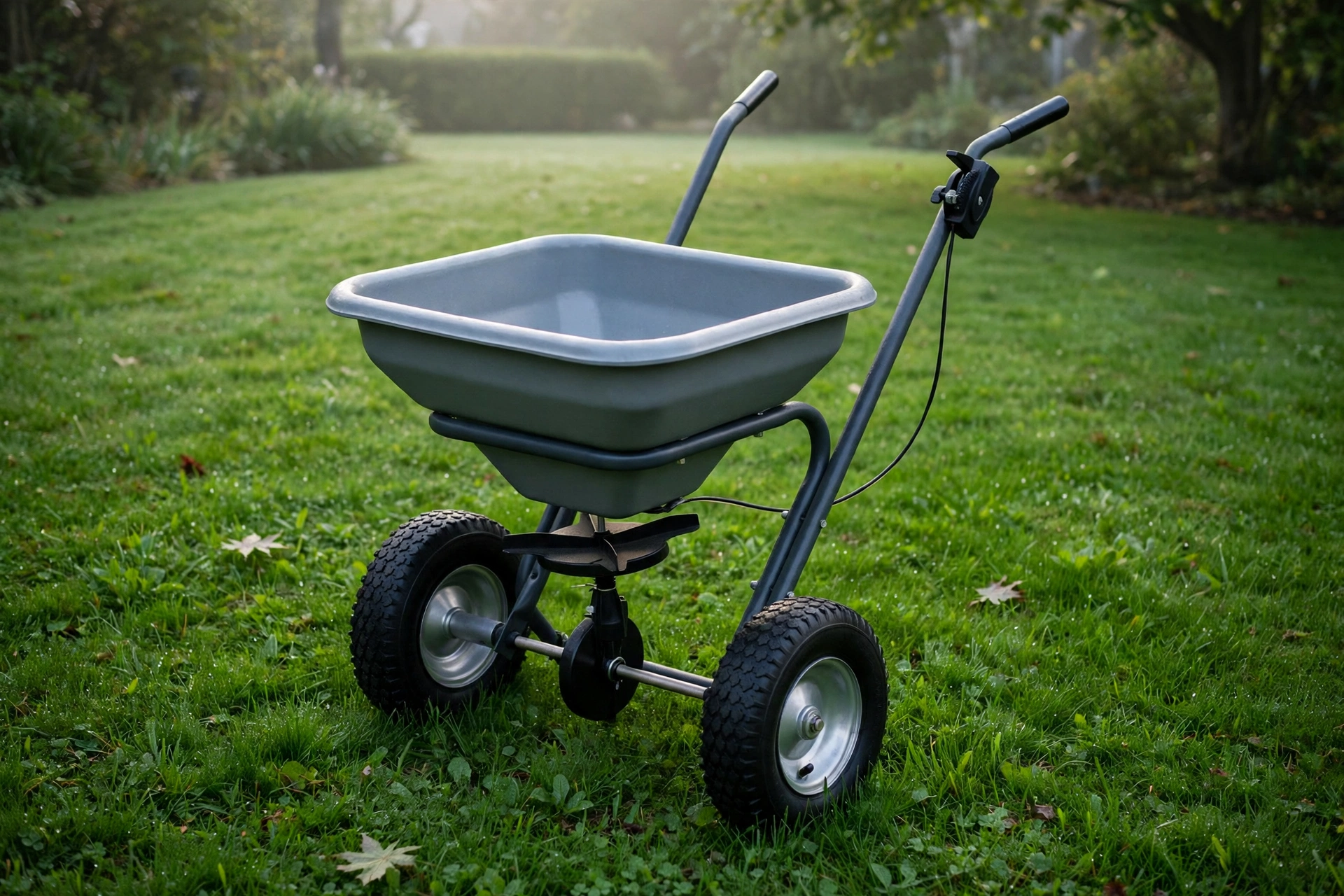
Organic fertilizer is forgiving, but the habits still matter: spread on a dry lawn, water the granules in afterward, and keep the spreader moving at a steady pace so no strip gets a double dose. The full walkthrough is in how to apply fertilizer without burning your lawn. A soil test first, a spreader second, and the bag last — in that order — is the cheapest way to feed a lawn well.
Bottom Line
Buy the Milorganite: slow-release nitrogen the lawn can use for weeks, organic matter that improves the soil itself, and a burn risk so low it barely registers. If crabgrass is your spring problem as well as feeding, the Espoma Weed Preventer Plus is the one bag that handles both — just get it down before the crabgrass germinates. Skip the Bio-Tone Starter Plus for the lawn entirely, and save it for the planting hole it was made for.