Landscape & Leisure is reader-supported. When you buy through links on our site, including Botanical Interests seed links, we may earn a commission at no extra cost to you. Prices change, so click through to confirm current pricing.
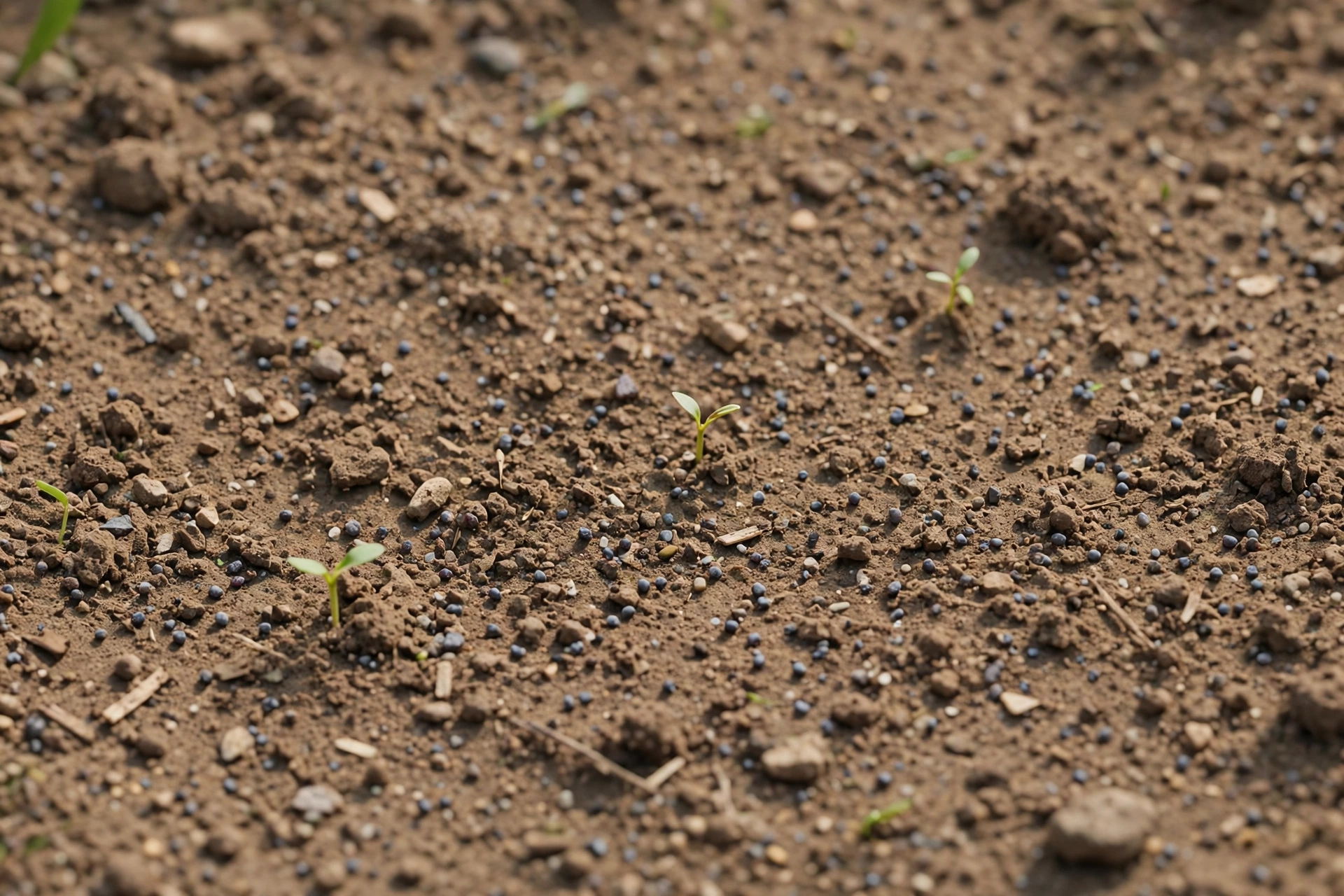
You scattered the packet, you watered, you waited, and the bed is still just soil. Before you blame the seed, know this: poppy seed is dust-fine, it needs light and cool soil and contact with the surface, and most empty poppy beds trace back to one of those three things going quietly wrong.
The good news is that every cause below has a fix you can use on the very next sowing. Our growing poppies guide gives the full routine, and our poppy varieties roundup helps if you decide a different packet suits your bed better.
First, Give It the Full Window
Check the calendar before you check the bed. California poppies germinate in 7 to 14 days, and corn poppies take 10 to 15 days, so a bed at day nine with nothing showing is a bed still inside its normal window, not a failed one.
Cool weather stretches those numbers toward the long end. If your sowing went in during a cold snap, add several days of patience before you start diagnosing, because the seed is waiting on warmth, not giving up.
| Symptom | Likely cause | Fix |
|---|---|---|
| Nothing at all by day 16 | Seed buried too deep for light | Re-sow pressed into the surface or raked in lightly |
| Patchy, puddle-shaped gaps | Hard watering washed seed together | Re-sow the gaps; water with a soft spray at the base |
| Seed sat through warm weeks, no sprouts | Soil too warm at sowing | Re-sow in fall, or in early spring at 50–60°F soil |
| Sprouts appeared, then vanished | Surface dried out mid-germination | Keep the surface lightly moist through the full window |
| Transplants wilted and stalled | Roots disturbed — poppies resent transplanting | Direct sow the next round in place |
Cause 1: The Seed Went in Too Deep
This is the most common failure, and it is an easy one to make, because most flower seed tolerates a quarter inch of soil and poppy seed does not. Mother of Pearl is pressed into the surface with no covering at all, and the California poppies and American Legion are scattered and raked in lightly — lightly is the operative word in both directions.
The fix is a fresh scattering on a smoothed surface. Press or rake it in just enough for contact, and leave it at that, even though every gardening instinct says to tuck seed in deeper.
Mother of Pearl Poppy Seeds
The surface-sown corn poppy — if depth was your problem, this packet makes the right depth obvious.
Cause 2: The Soil Was Too Warm, or the Timing Was Off
Poppies are cool-season starters. The sowing window runs 4 to 6 weeks before your average last frost, and for California poppies the target soil temperature is 50 to 60 degrees, so seed scattered into warm late-spring soil can sit dormant while you watch it do nothing.
Fall is the forgiving reset here. Both kinds can be sown in fall for bloom the following spring, and in mild climates fall sowing is the recommended route, because winter does the cool waiting for you and the seed wakes up on its own schedule.
Cause 3: The Seed Was Moved After Sowing
A hard jet of water on dust-fine seed is a relocation program. Seed washes into low spots, germinates in crowded puddle-shaped clumps, and leaves the rest of the bed bare, which reads as a germination failure when it is really a distribution failure.
Water with a soft spray, at the base, and keep the surface lightly and evenly moist through the window. There is a small, satisfying moment about a week in, when the first ferny threads show in an even green haze across the bed — that haze is what gentle watering buys you.
Mission Bells California Poppy Seeds
A fast 7- to 14-day germinator at the right soil temperature — a good re-sow when a first bed sat silent.
Cause 4: You Started Them Indoors
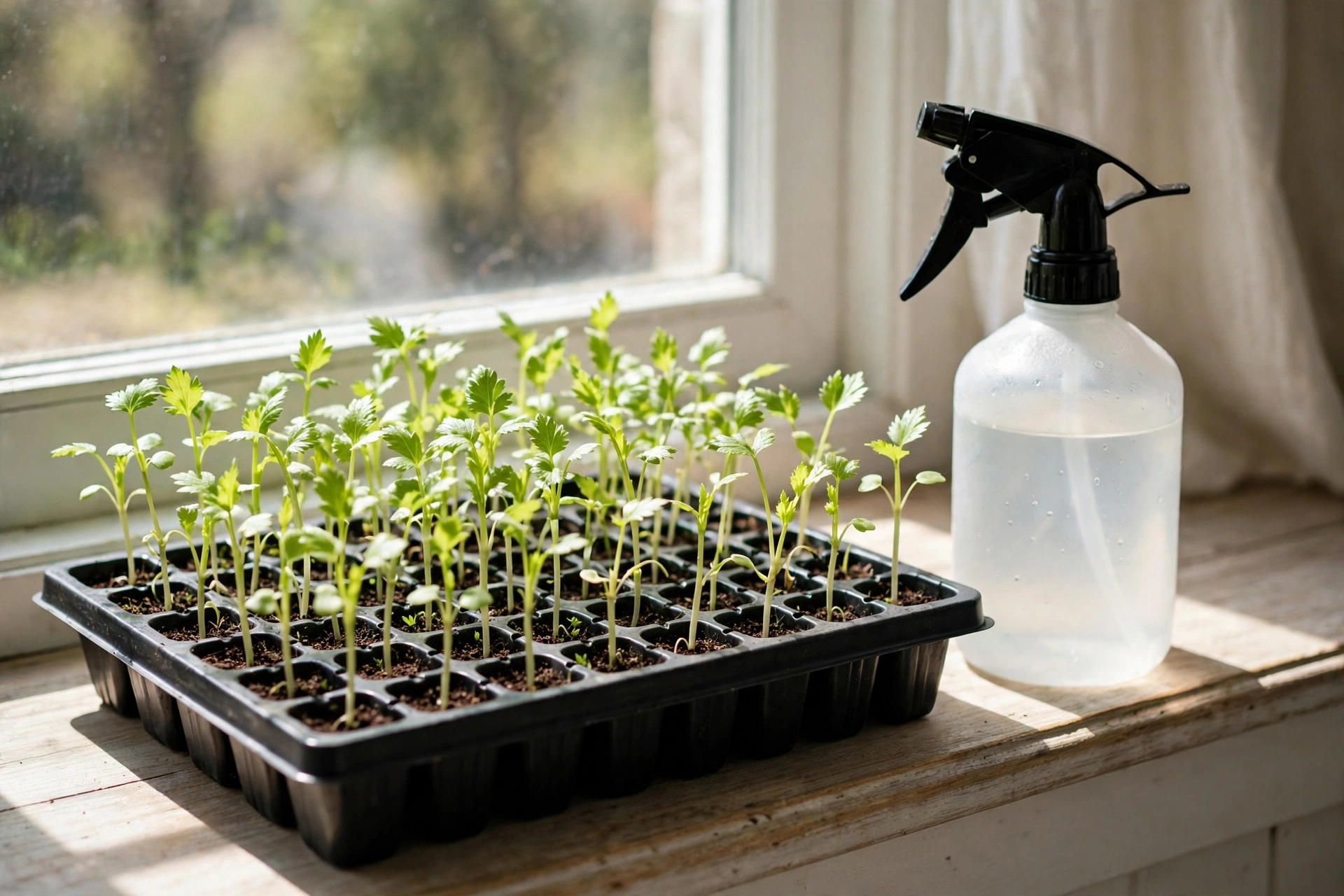
If your poppies sprouted happily in a tray and then stalled or died at transplant, the seed was never the problem. Both corn poppies and California poppies are marked not recommended for indoor starting because their roots are sensitive to disturbance, and a transplanted poppy spends its energy recovering instead of growing.
Do not try to rescue a stalled tray by being extra gentle the second time. Scatter the remaining seed directly in the bed instead, because a direct-sown poppy overtakes a transplanted one quickly and with far less of your attention.
Cause 5: The Surface Dried Out Mid-Germination
A seed that has swollen and started to sprout cannot pause and wait for rain. If the surface bakes dry on day six of a 10- to 15-day corn poppy window, the sprouts that had started are lost, even if you water faithfully from day seven onward.
The fix is unglamorous and complete: keep the top of the bed lightly moist, every day, until the seedlings are visibly up. Once they are established, both kinds are drought tolerant and you can step back, but germination week is not the week to test that toughness.
Orange California Poppy Seeds
Once it is up, this is the poppy that keeps going on the least water — give it a moist first two weeks.
When to Re-Sow, and How
Re-sow as soon as you have named the cause, in the same bed, using the fix that matches it: shallower, cooler, gentler, or in place. A spring failure can be re-sown in fall for the following spring, which turns a lost season into an early one, and poppy seed is inexpensive enough that a second scattering is always the cheaper answer than a season of staring at bare soil.
Start the re-sow with Mother of Pearl if depth or timing tripped you the first time — its press-into-the-surface direction is printed right on the packet, its window is a clear 10 to 15 days, and a bed sown by that simple rule is the surest way to see exactly what poppies do when nothing stands in their way.