Landscape & Leisure is reader-supported. When you buy through links on our site, including Botanical Interests seed links, we may earn a commission at no extra cost to you. Prices change, so click through to confirm current pricing.
Peppers reward patience and punish impatience in equal measure. They are the slowest common vegetable to germinate, the most heat-hungry to grow, and — once they get going — among the most productive plants in the garden. The difference between a pepper patch that produces all summer and one that limps along usually comes down to two decisions made before a single seed goes in the ground: which varieties you pick, and whether they actually fit your season. These are the sweet and hot pepper varieties to grow from seed that earn their space, chosen from Botanical Interests’ catalog with northern gardens in mind.
For the timing and technique behind these picks, see our guide to starting peppers indoors; for the sweet-versus-hot decision itself, our northern-garden comparison. New to seed starting generally? Start with our beginner vegetable seed roundup.
How We Picked These Varieties
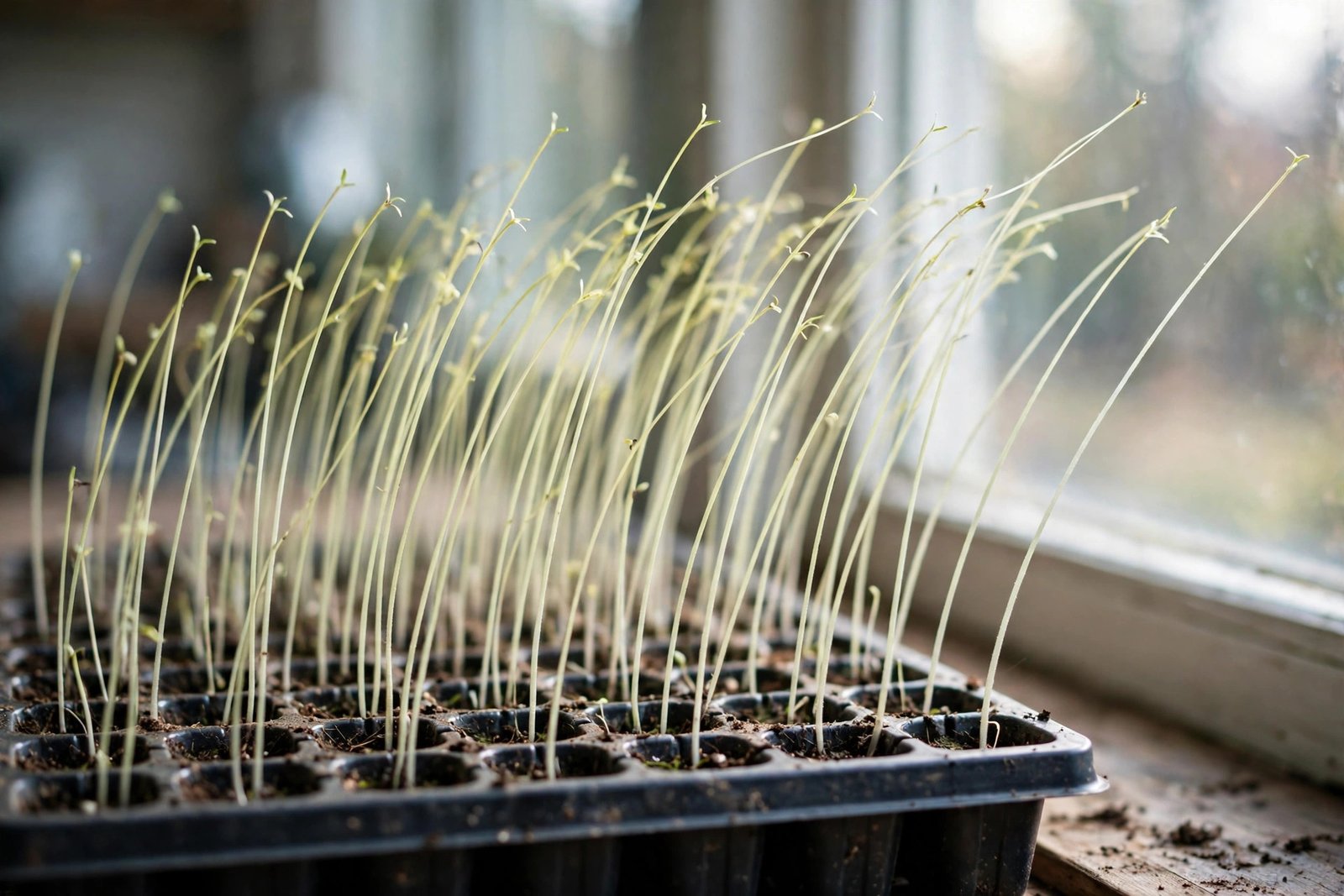
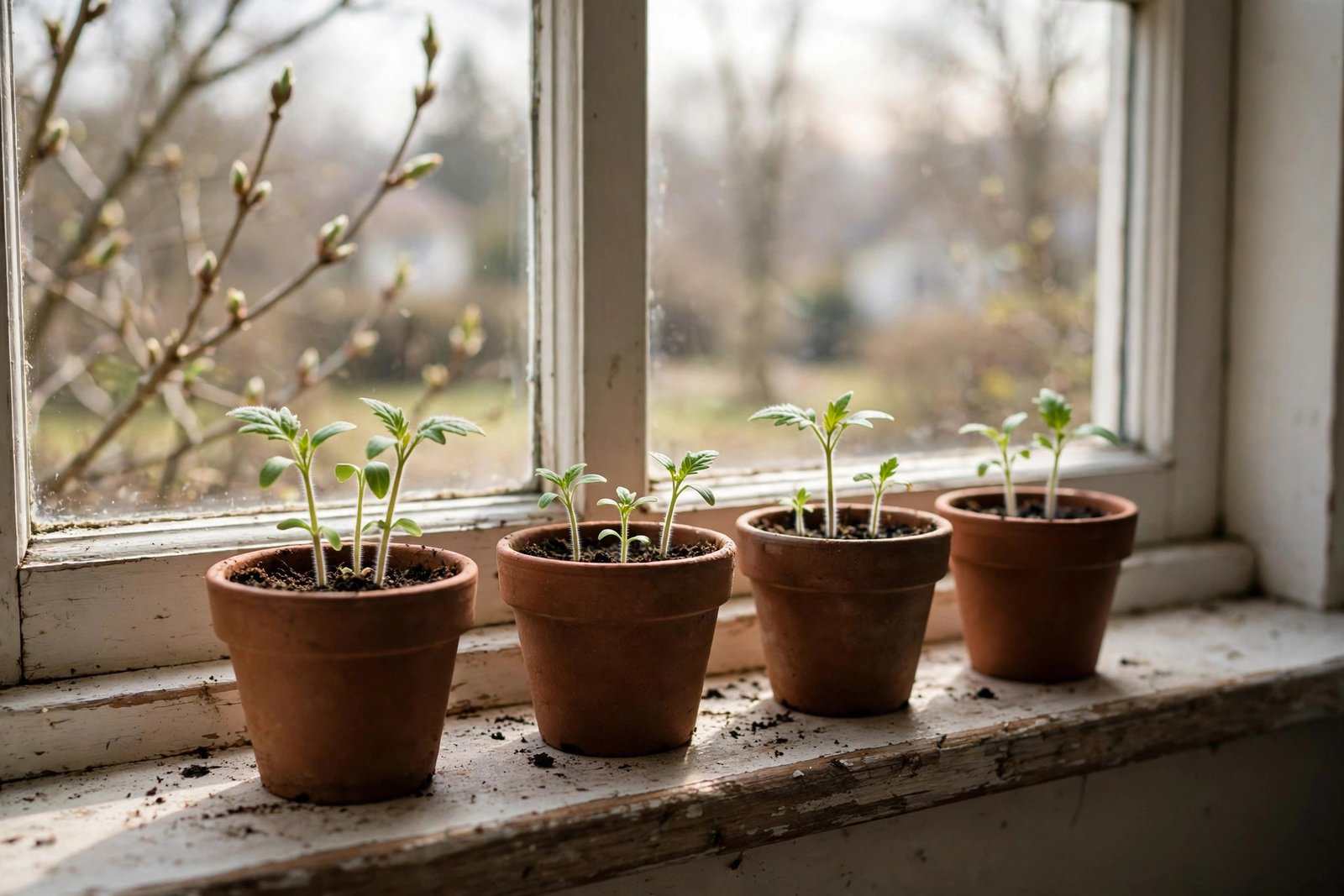
Three tests. First: is it genuinely available from Botanical Interests right now, in stock, not a listing for a variety that vanished two seasons ago? Second: does it ripen in a realistic northern window — roughly 70 to 85 days from transplanting for the sweet types, with hot types judged on whether they produce before frost rather than on their full-season potential? Third: does it do something distinct — a job no other pick on this list already does? Days-to-maturity below are from transplanting, the industry-standard measure; add the 8 to 10 weeks the seedlings spent indoors. Botanical Interests lists germination at 10 to 25 days in soil of 70°–90°F, which is why a heat mat is less of a luxury for peppers than for any other seed you start.
Best Overall: California Wonder Sweet Pepper
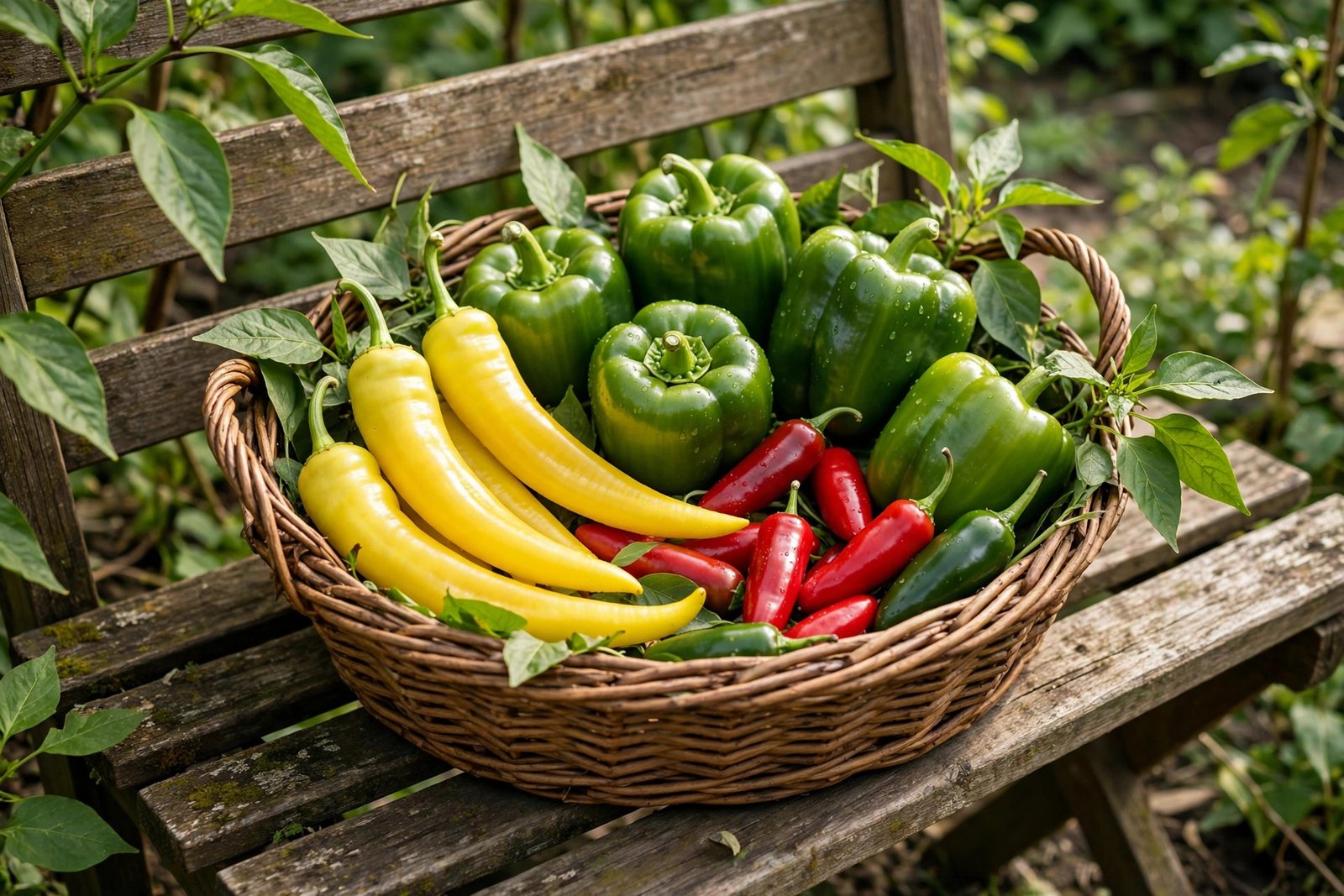
California Wonder is the green bell pepper — the blocky, thick-walled, 4-inch fruit that every grocery store sells and every seed catalog carries for a reason. It ripens in 75 days from transplanting, which puts it comfortably inside a northern season, and one packet yields roughly 24 plants when started indoors, so a single packet covers a row and a few containers. Picked green, it is the classic stuffing and stir-fry pepper. Left on the plant, it turns a rich red and gets noticeably sweeter and milder. That two-stage harvest is the practical reason it beats flashier bells: you eat from it early and keep eating from it late.
Pros: proven 75-day maturity; thick-walled, blocky fruit; green-to-red two-stage harvest; high plant count per packet.
Cons: the honest trade-off — it needs the full warm season to turn red, so in the shortest seasons you will eat most of your crop green. If red bells are the goal, start early and give plants the hottest spot you have.
California Wonder Sweet Pepper Seeds
The classic blocky bell, ripe in 75 days, with a green-to-red harvest that stretches the season.
Best Sweet Frying Pepper: Jimmy Nardello Sweet Pepper
Jimmy Nardello is an Italian heirloom brought to America by the Nardello family in 1887, and it is the quintessential frying pepper: 6- to 12-inch-long, thin-skinned, exceptionally sweet peppers that need almost no cooking to taste like something. The plants are prolific and, unlike some heirlooms, grow well in most areas — it is not a variety that demands a Mediterranean climate to perform. If your pepper cooking leans toward sausage and peppers, frittatas, or peppers eaten straight off the plant, this is the variety that makes those dishes taste like they came from somewhere better than a supermarket.
Pros: outstanding sweet flavor for frying and fresh eating; prolific plants; thin skin means no peeling.
Cons: the long, thin fruit is not a stuffing pepper — it has no cavity to fill. Grow it for what it is, not as a bell substitute.
Jimmy Nardello Sweet Pepper Seeds
An 1887 Italian heirloom frying pepper — long, thin-skinned, and sweet straight off the plant.
Best for Containers: Sweet Banana Sweet Pepper
Sweet Banana is the pepper for gardeners short on space. The plants stay medium-sized — 12 to 24 inches — which is genuinely container-scale, unlike full-size bells that outgrow a pot by July. The fruit is 5 to 7 inches long, mild, and yellow, ripening in 70 days from transplanting, one of the fastest sweet peppers here. It is also the variety that bridges the sweet and hot worlds in the kitchen: mild enough for salads and sandwiches, with enough pepper character to matter in a stir-fry. A packet yields about 16 plants, so one packet plants a patio’s worth of pots with spares.
Pros: compact plants suit containers; fast 70-day maturity; mild, versatile fruit.
Cons: banana peppers are thinner-walled than bells, so they are not the pick for stuffed-pepper night.
Sweet Banana Sweet Pepper Seeds
A compact, fast 70-day banana pepper that fits a pot and a weeknight dinner alike.
Best Yellow Bell: Golden Cal Wonder Sweet Pepper
Golden Cal Wonder is the runner-up bell on this list, and the reason to grow it alongside California Wonder rather than instead of it: it starts green and ripens to a sunburst yellow with a blush of orange, giving you a second color — and a sweeter pepper — from the same bed. It freezes well, which matters because a good pepper year produces more than a household eats fresh. The trade-off is a slightly smaller body of grower feedback than the classic California Wonder, so treat it as the second bell in a two-bell planting, not the only bell in the garden.
Pros: ripens to sweet yellow; freezes well; adds color to the harvest.
Cons: less widely grown than California Wonder, so fewer grower reports to lean on.
Golden Cal Wonder Sweet Pepper Seeds
A golden bell that ripens sweet yellow, freezes well, and pairs with California Wonder.
Best Jalapeño: Megatron Jalapeño Chile Pepper
Megatron is a jalapeño bred to be bigger and earlier: extra-large, thick-walled peppers reaching 4½ inches, rated 2,500–5,000 Scoville heat units — solidly medium-hot — and earlier to harvest than some jalapeños, which is the trait that matters most in a short season. It also carries high resistance to bacterial leaf spot and tobamovirus, two diseases that can defoliate a pepper planting just as it gets going. For stuffing, pickling, and fresh salsa, a thick-walled jalapeño holds up where a thin one collapses. Wear gloves when you harvest and seed them; capsaicin in a cut is no joke.
Pros: extra-large, thick-walled fruit; earlier than many jalapeños; strong disease resistance.
Cons: thick walls mean a longer time to dry or smoke than thin-walled hot peppers — this is a fresh-use jalapeño first.
Megatron Jalapeño Chile Pepper Seeds
An extra-large, thick-walled, early jalapeño with disease resistance built in.
Best for Salsa: Serrano Chile Pepper
Serrano is the salsa pepper, full stop. At 10,000–20,000 Scoville heat units it sits a clear step above jalapeño — medium-hot to hot — with the clean, bright heat that fresh salsa needs, and the plants are famously prolific, producing more peppers than most households can use fresh. That productivity is the point: serranos are for gardeners who make salsa in batches and want a plant that keeps up. Harvest with gloves, and keep the seeds and white membrane if you want the full heat, remove them if you want the flavor with less fire.
Pros: ideal salsa heat and flavor; extremely productive plants; thin skin blends smoothly.
Cons: a real step up in heat from jalapeño — taste before you commit a whole batch to it.
Serrano Chile Pepper Seeds
The prolific salsa pepper — bright, clean heat a clear step above jalapeño.
One to Skip in Northern Gardens: Scotch Bonnet
Scotch Bonnet is not a bad pepper — it is a spectacular one, with a fruity, almost apricot-like flavor under 100,000–325,000 Scoville heat units of fire. It is simply the wrong pepper for a northern garden. It needs a long, hot season to ripen fully, and in zones 3–4 that season usually runs out before the fruit does, leaving you with green, under-ripe pods and a plant that never showed what it can do. It is also extremely hot in a way that limits its kitchen use to cooks who specifically want that level of heat. If you garden in a long-season climate, grow it with enthusiasm. In a short season, skip it and put the space — and the heat-mat weeks — into Megatron or Serrano, which will actually finish.
Comparison Table: Sweet and Hot Peppers at a Glance
| Variety | Type | Heat (Scoville) | Days from Transplant | Best For |
|---|---|---|---|---|
| California Wonder | Sweet bell | 0 | 75 | Stuffing, stir-fry, all-purpose |
| Jimmy Nardello | Sweet frying | 0 | — | Frying, fresh eating |
| Sweet Banana | Sweet banana | 0 | 70 | Containers, salads, stir-fry |
| Golden Cal Wonder | Sweet bell | 0 | — | Yellow bells, freezing |
| Megatron Jalapeño | Hot | 2,500–5,000 | — | Stuffing, pickling, salsa |
| Serrano | Hot | 10,000–20,000 | — | Fresh salsa |
| Scotch Bonnet | Very hot | 100,000–325,000 | — | Long-season gardens only |
Final Thoughts
The northern pepper strategy is a portfolio, not a single variety: California Wonder for the reliable bell crop, Jimmy Nardello or Sweet Banana for sweet variety, and one hot type — Megatron for most cooks, Serrano for salsa makers — started early and given the hottest spot in the garden. Start them all indoors 8 to 10 weeks before transplanting (our indoor-starting guide walks through the timing, including the zone 4 window), harden them off properly, and transplant only when nights stay above 50°F. Peppers punish rushing more than any other vegetable — and reward patience more, too.