Landscape & Leisure is reader-supported. When you buy through links on our site, including Botanical Interests seed links, we may earn a commission at no extra cost to you. Prices change, so click through to confirm current pricing.
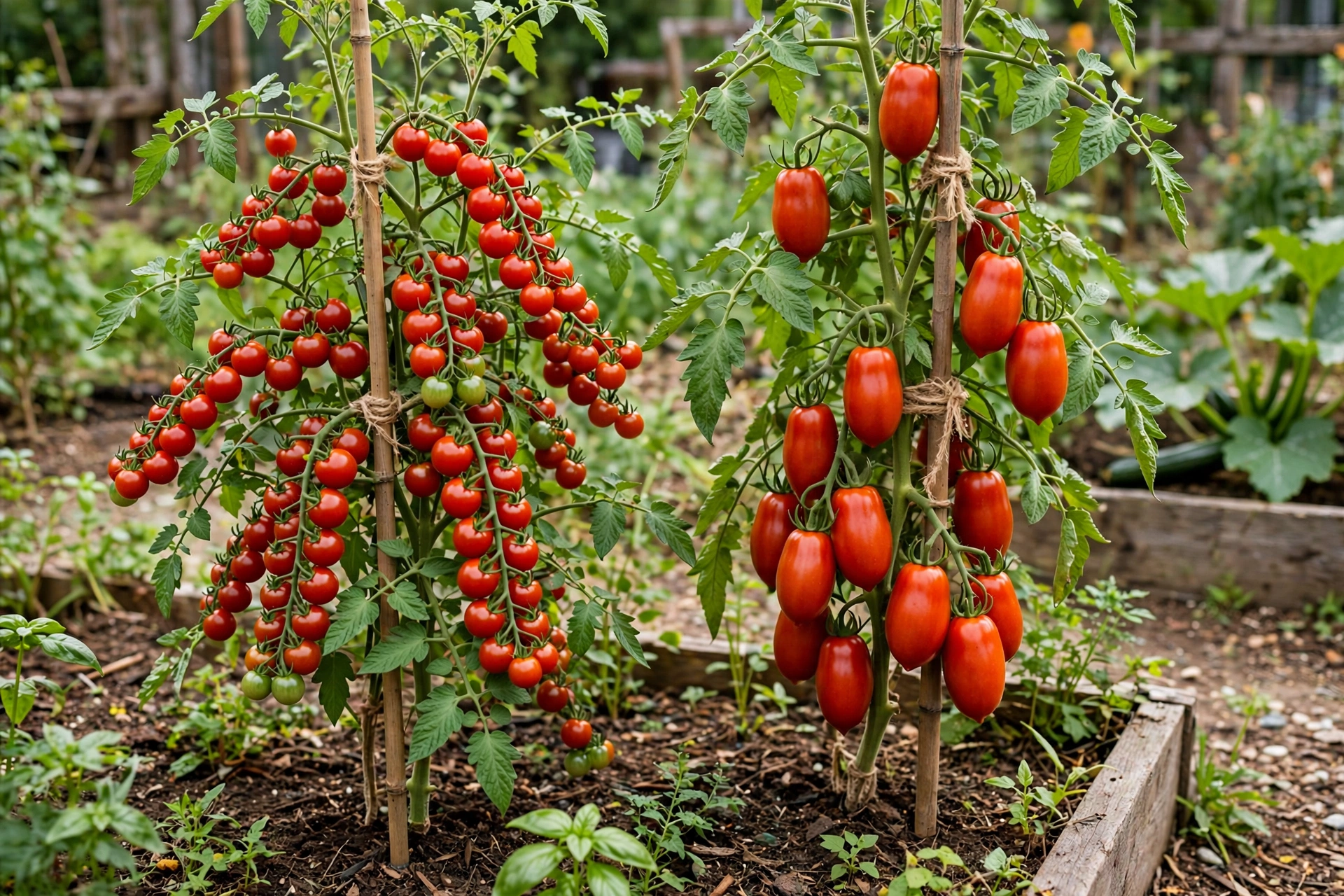
By midsummer your tomato plants will tell you, in no uncertain terms, whether you planned for them or just planted them. The vines are six feet tall and still climbing, the branches are heavy with fruit, and the whole plant is leaning toward whatever it can grab. Cherry and paste tomatoes are both pole types — indeterminate vines that keep growing until frost — so the support, the water, and the harvest all work the same way for both, with one difference that matters at picking time. Get those three right and the plants mostly take care of themselves.
This guide covers the routine for both types: support that goes in early, water that stays steady, and a harvest that starts earlier than you think. For the varieties themselves, see our cherry and paste tomato roundup, and for the question of which type your garden needs, our cherry-versus-paste comparison settles it. Our Zone 4 tomato timing guide covers when to start seed indoors, and our drip irrigation guide covers setting up steady water for the vegetable garden.
Start Indoors, Then Give Them Room
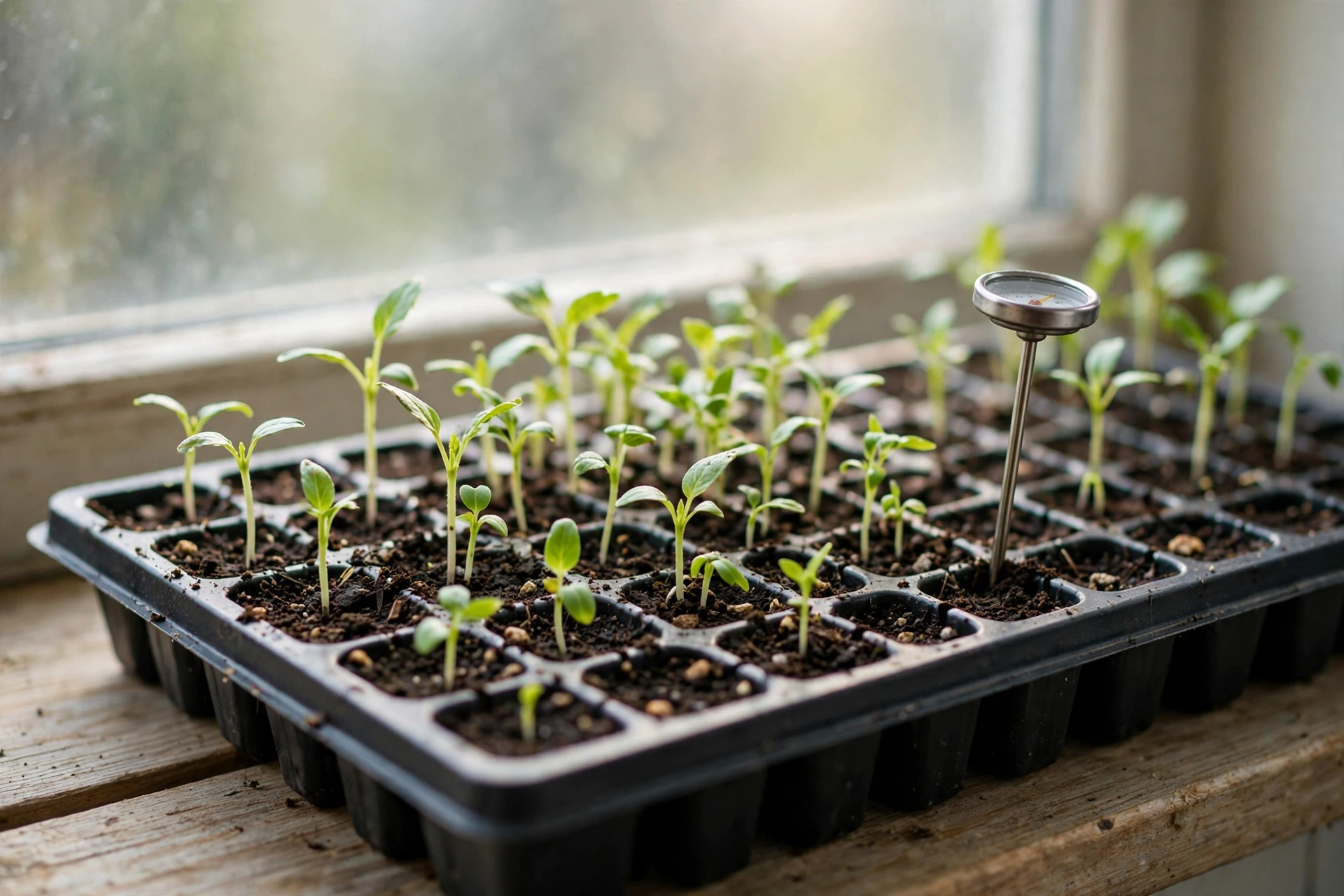
Tomatoes are frost sensitive, so start them indoors 4 to 6 weeks before transplanting, in soil between 70 and 90 degrees, with seed sown a quarter inch deep. Germination takes 5 to 10 days. Transplant when the air temperature is 45 degrees or warmer, usually 1 to 2 weeks after your average last frost date. Space plants in groups of 3 seeds every 24 to 36 inches, thinning to one plant every 24 to 36 inches when the seedlings reach 2 inches tall, in rows 36 inches apart. One packet of Amish Paste sows about 20 plants when started indoors, which is more than most gardens need — share the extras or start fewer seeds.
A heat mat under the tray makes the difference between seeds that pop in a week and seeds that sit and sulk. It raises the soil temperature 10 to 20 degrees, which is exactly the nudge tomato seed needs when the house is cooler than the soil wants to be.
Seed Starting Heat Mat
Raises soil temperature 10 to 20 degrees for $29.99, so tomato seed germinates in days instead of sitting cold.
Support: Put It In at Transplant Time
Every cherry and paste variety in our roundup grows tall. Sun Gold, Gardener’s Delight, Sweetie, and San Marzano all reach 6 feet or more, Costoluto Genovese is indeterminate and grows tall as well, and Amish Paste is listed as tall, over 24 inches, on an indeterminate vine that keeps growing all season. A short cage bought for a determinate bush tomato will be swallowed by July, and by then the plant is too big to wrestle into a taller support without breaking branches.
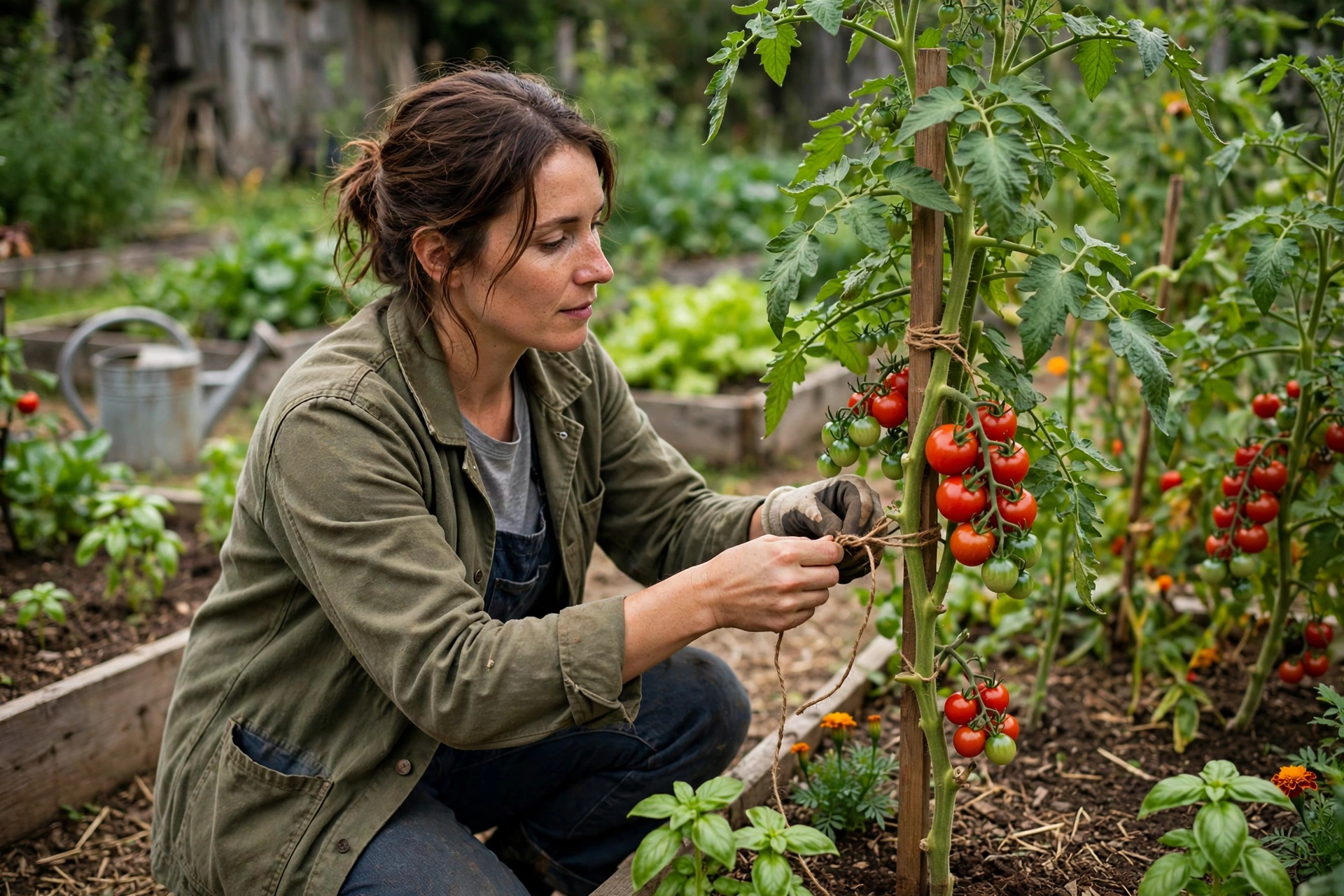
Set the support the same day you transplant, while the plant is small and the roots are undisturbed. A tall stake or a sturdy cage both work; what matters is the height and the strength, because a plant loaded with fruit in a windstorm pulls hard. Tie the main stem loosely to the stake as it grows, adding a tie every foot or so, and check the ties monthly — a stem that was loose in June can be strangled by August. Gardeners who grow Gardener’s Delight report that it needs a sturdy trellis system, not a flimsy ring, and the same holds for the rest of these vines.
Water: Steady and Deep, Not Frequent and Light
Tomatoes want about an inch of water a week, and they want it soaked in deep rather than sprinkled on top. Light watering grows shallow roots, which leaves the plant exposed to hot weather and drought stress and hurts fruit quality. Soak the soil thoroughly when you water, and let the moisture reach well below the surface before you water again.
Steady moisture matters most because of what happens when it swings. When soil moisture fluctuates during fruit growth, blossom-end rot can develop — the dark, sunken spot on the blossom end of the fruit that ruins the earliest tomatoes of the season. The cause is calcium not reaching the developing fruit, and wide swings in soil moisture are what block that uptake. Consistent watering is the fix, and mulch is the helper: once the weather has warmed up and the plants are established, mulch 2 to 3 inches deep with straw, leaves, or compost to conserve moisture, reduce weed growth, and keep the roots warm. Do not mulch while the weather is still cool, because the roots of young plants need soil warmed by the sun.
Drip irrigation earns its keep here, because it puts water at the roots on a steady schedule without wetting the leaves. Our drip irrigation guide walks through installing it in a vegetable garden. If you water by hand, water at the base in the morning, and skip the overhead sprinkling that wets the foliage.
Harvest: Pick Early, Pick Often
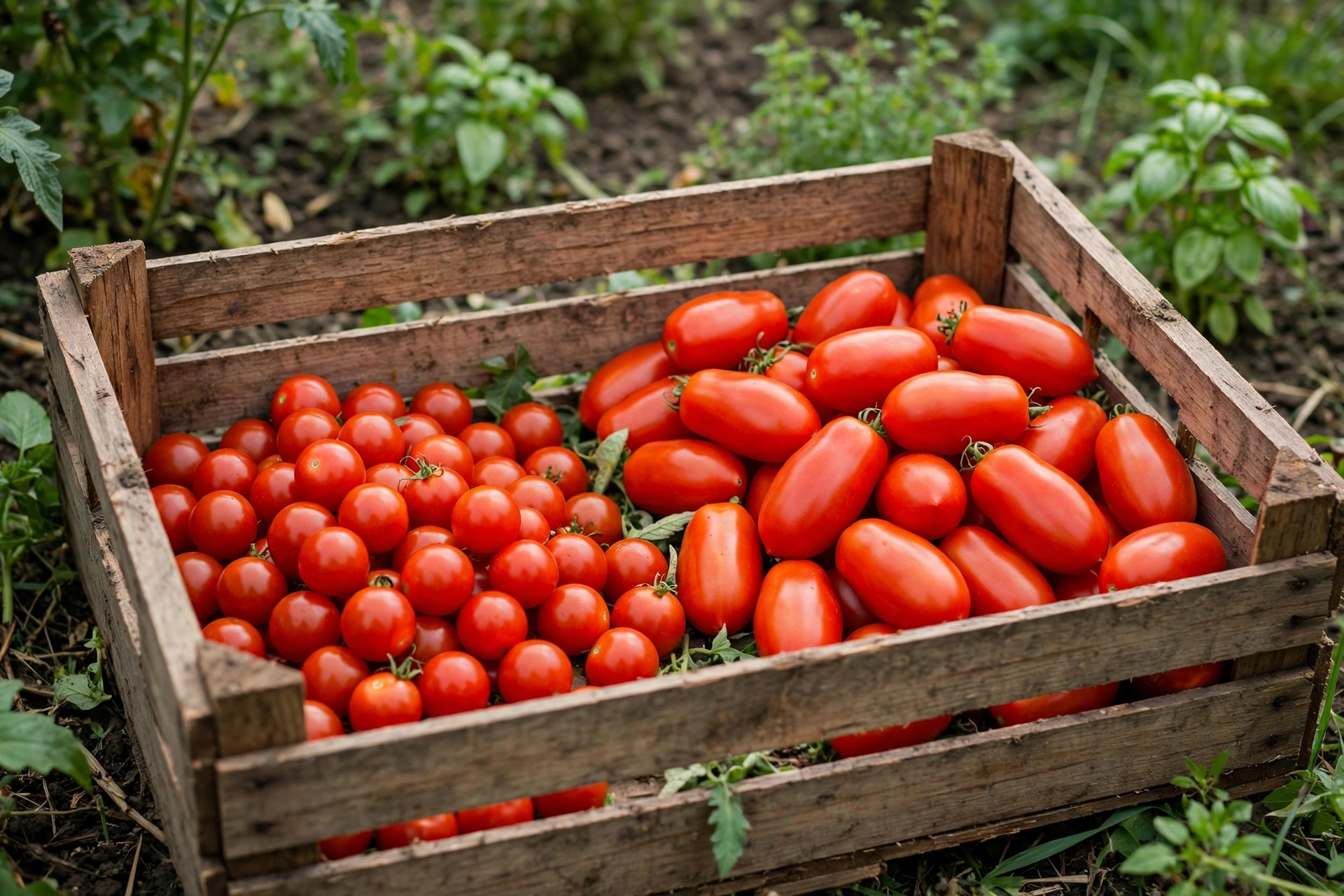
Cherry tomatoes are ready when they are fully colored and come off the vine with a gentle tug. Sun Gold is the exception worth remembering: pick it a bit early and ripen it indoors at room temperature, which keeps the birds from getting there first. Sweetie and Gardener’s Delight ripen in clusters, so check the plants every couple of days in peak season — the clusters ripen unevenly, and the ripe ones will split if they sit through a rain.
Paste tomatoes are at their best when they are fully red and have a slight give when gently squeezed. You can also pick them at first blush, when about half the color has changed, and ripen them at room temperature without losing flavor. Picking often and early increases yield and decreases the risk of cracking and pest damage, and ripe fruit left on the vine during rain or watering is more likely to split — so do not leave a ripe paste tomato hanging while you wait for the rest of the cluster.
About a month before your average first fall frost, clip all the blossoms and undersized fruit off the plants. That signals the plant to ripen what is left instead of starting fruit it will never finish. Pick any unripe fruit before frost and store it indoors in a single layer, away from direct sunlight, to ripen.
What Each Variety Needs
| Variety | Type | Vines | Pick it when |
|---|---|---|---|
| Sun Gold | Cherry | 6 feet or more | A bit early, then ripen indoors at room temperature |
| Gardener’s Delight | Cherry | 6 feet | Fully colored, in clusters of 6 to 12, all summer until frost |
| Sweetie | Cherry | 6 feet | Fully colored; check every couple of days, it ripens fast |
| San Marzano | Paste | 6 feet or more | Fully red for sauce; pick at first blush to ripen indoors |
| Costoluto Genovese | Paste | Tall, indeterminate | Fully red and ribbed; slices fresh as well as it simmers |
| Amish Paste | Paste | Tall, over 24 inches | Red with a slight give; 80 to 85 days from transplanting |
The Two Picks That Anchor the Bed
If you are planting one cherry and one paste, Sun Gold and San Marzano are the pair that covers the most ground: the sweetest cherry in the roundup and the classic sauce tomato, both on vines that will test your tallest support. Sun Gold at $5.99 is the priciest packet here, and San Marzano at $2.69 is among the cheapest, so the pair balances out.
Sun Gold Pole Cherry Tomato Seeds
The sweetest cherry here — tangerine, juicy, and disease resistant, on vines that reach 6 feet or more.
San Marzano Roma Pole Tomato Seeds
The classic sauce and canning tomato — large paste fruit on vines that reach 6 feet or more.
What to Watch Next
Once the plants are supported and the watering is steady, watch the first fruit, not the leaves. The earliest tomatoes are the ones most likely to show blossom-end rot if the moisture swung early, so a dark spot on the first fruit is a watering signal, not a reason to rip the plant out — the later fruit usually comes clean once the routine steadies. And when the vines start outgrowing their stakes in late summer, tie them up rather than topping them: every foot of vine you cut is fruit you will not pick. For the full variety list, see our cherry and paste tomato roundup.